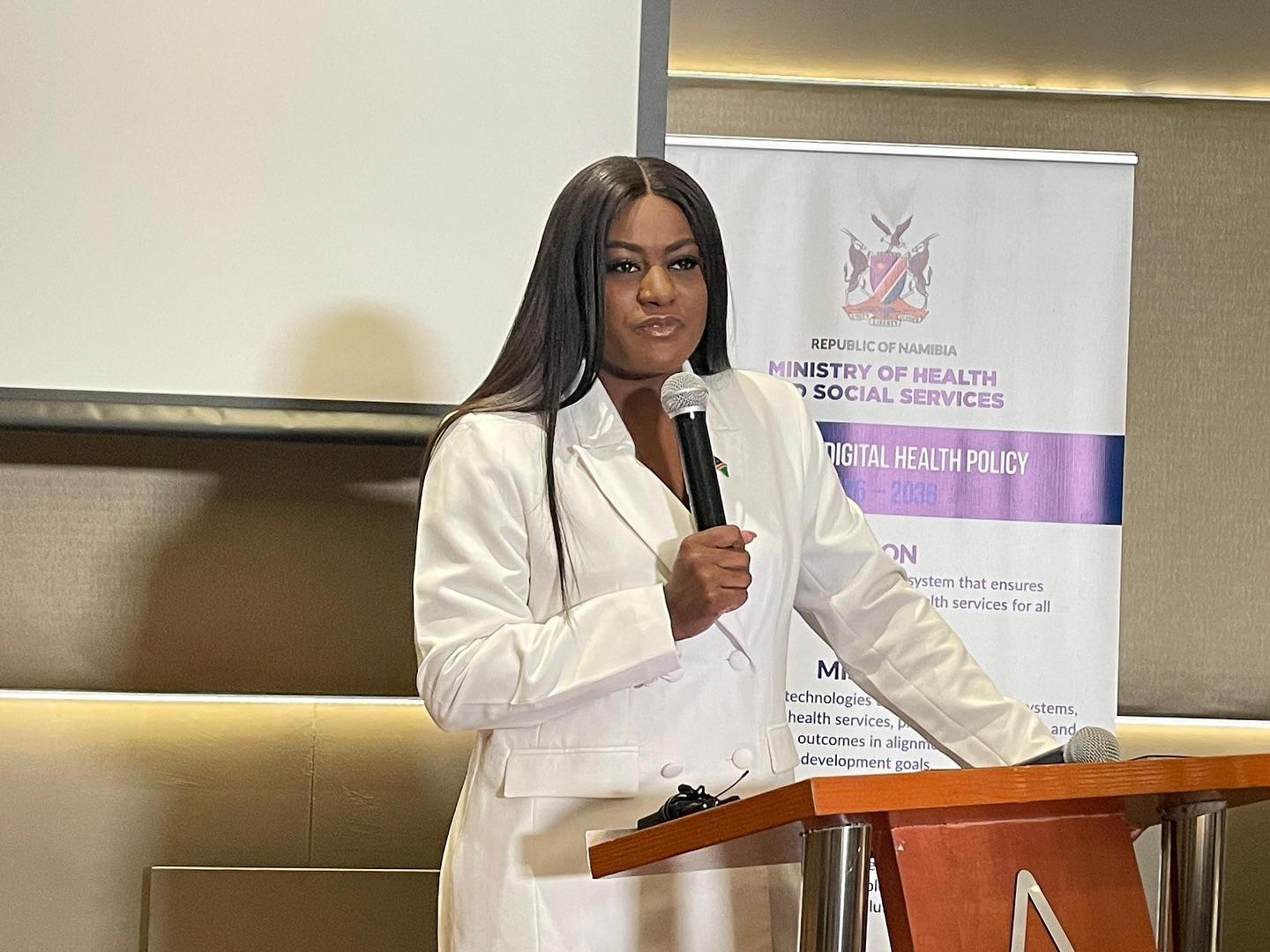
Africa-Press – Namibia. Minister of Health and Social Services, Dr Esperance Luvindao, says the directive by the Head of State to shift civil servants’ medical care from private facilities to State hospitals is set to create at least 2 000 jobs within the health sector.
According to the minister, more than 2 000 additional health personnel posts were funded during the 2025/26 Mid-Year Budget Review and as of mid-January 2026, 1 262 positions – representing 66% – had already been filled, with the remainder expected to be finalised before the end of March.
Addressing concerns in Parliament earlier this week, Luvindao said the reform under Vision April 2026 coincides with what she described as the most aggressive health system strengthening programme undertaken since independence. While acknowledging public concerns about infrastructure challenges, long waiting times, and service delivery gaps at State hospitals, the minister said a comprehensive readiness assessment completed in September 2025 informed targeted interventions in staffing, medicine supply, equipment upgrades and infrastructure improvements. She said these measures are already being implemented to prepare facilities for the phased transition.
“Buildings do not heal people; doctors and nurses do,” Luvindao said, emphasising that frontline healthcare workers are central to restoring public confidence in the system.
Luvindao said the transition is designed to correct what has long been viewed as a two-tier healthcare structure – where the majority of citizens rely on public facilities while many senior officials access private services through the Public Service Employees Medical Aid Scheme (Psemas).
On medicine shortages, she said the ministry has shifted to direct procurement from manufacturers to stabilise supply chains and reduce stock-outs. Government is targeting a 95% medicine availability rate to ensure prescriptions are consistently filled at public facilities.
Government currently allocates at least N$3.9 billion annually to PSEMAS, which serves 118 936 members accessing private healthcare. In contrast, 85% of the Namibian population – approximately 2.5 million people – depend exclusively on public healthcare funded through a N$12.27 billion national allocation.
“This disparity prompted the directive recently issued by President Netumbo Nandi-Ndaitwah,” she said, which will see all civil servants – including senior public officials – transition from private healthcare access under PSEMAS to designated State facilities from 1 April 2026.
Luvindao described the move as a deliberate and strategic reform aimed at reinforcing accountability within government while strengthening public health institutions.
“This directive is not merely an administrative adjustment; it is a call for equity and excellence within our public health system,” she told lawmakers.
Implementation of Vision April 2026 will be gradual. Phase I, starting on 1 April 2026, will apply to senior public service leadership and will be rolled out at seven facilities: Windhoek Central Hospital, Katutura Intermediate Hospital, Rundu Intermediate Hospital, Keetmanshoop District Hospital, Oshakati Intermediate Hospital, Walvis Bay State Hospital and Onandjokwe Intermediate Hospital.
To manage patient volumes and reduce waiting times, the ministry will introduce designated patient flow systems at these facilities. A pilot model will be implemented in March 2026 to test efficiency measures before full rollout. Referral mechanisms – including the use of private providers where specialist services are not immediately available – will remain in place to ensure continuity of care.
In concluding her address, the minister framed Vision April 2026 as a matter of dignity and fairness.
“We are building a system where the health of a citizen is not determined by the size of their wallet or their job title,” she said, adding that the groundwork already laid demonstrates government’s readiness to implement the reform.
For More News And Analysis About Namibia Follow Africa-Press