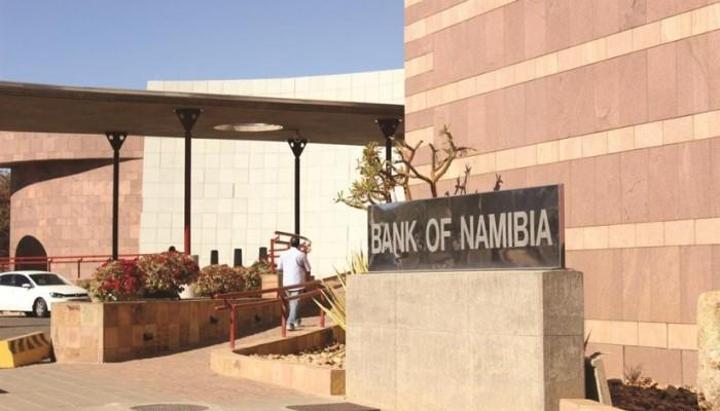
Africa-Press – Namibia. THE Bank of Namibia (BoN) has increased interest rates again this week by 50 basis points, despite some members of the deciding committee supporting a steeper 75 basis-point increase.
This increase, effective today, will slingshot the repo or benchmark rate to 4,75% – now at par with South Africa.
Announcing the increase yesterday, the bank’s governor, Johannes !Gawaxab, said it was unavoidable.
The increase would aid in containing inflation, as well as maintaining the Namibia dollar-South African rand peg.
The 50 basis-point increase did not come as a surprise, as analysts had already predicted this.
There’s a slight concern that interest rates would this year end in the region of 6,5%, pushing the prime rate above 10%.
Simonis Storm Securities analyst Theo Klein yesterday said his initial expectation was a 125 basis-point hike in 2022, “however, we now see 200 basis points more,” he said.
!Gawaxab yesterday said increasing the repo rate was also necessary to narrow the current negative interest rates, with the interest rate on savings being lower than the inflation rate.
Namibia boasts a huge savings pool, which constantly needs to earn above inflation returns, and if Namibia lags behind regarding interest rates, capital would flow out of the country, the governor said.
According to recently released inflation numbers by the Namibia Statistics Agency, the prices of selected goods and services have increased by 5,4%, which !Gawaxab said was reasonable and did not warrant a higher increase in the benchmark interest rate.
Investment analyst at High Economic Intelligence Arney Tjaronda says the repo rate increase was partly good news to those who have invested in government bonds.
“Looking at the Namibian bonds which were recently oversubscribed, a rise in interest rates is good… as they make [them]… attractive to investors. But for companies who have bond instruments listed on the Namibian Stock Exchange, the cost of servicing the bond will increase, which may affect future earnings growth,” he says.
Interest rates during the Covid-19 pandemic period have been very accommodating, and the drive is now to return to a sustainable level, with most central banks pushing up rates.
!Gawaxab said while it may appear that higher rates could lead to affordability issues, non-performing loans at the end of March this year hovered at around 5,9% of the total loan book – down from the higher 6,9% a few months ago.
At the end of May, the country had a foreign reserve balance of N$43,9 billion – enough to cover over five months of imports.
Namibia received its N$3,5 billion share from the Southern African Customs Union too, which has increased the reserve balance from N$40 billion.
The next monetary policy committee meeting would be on 15 and 16 August this year.
For More News And Analysis About Namibia Follow Africa-Press