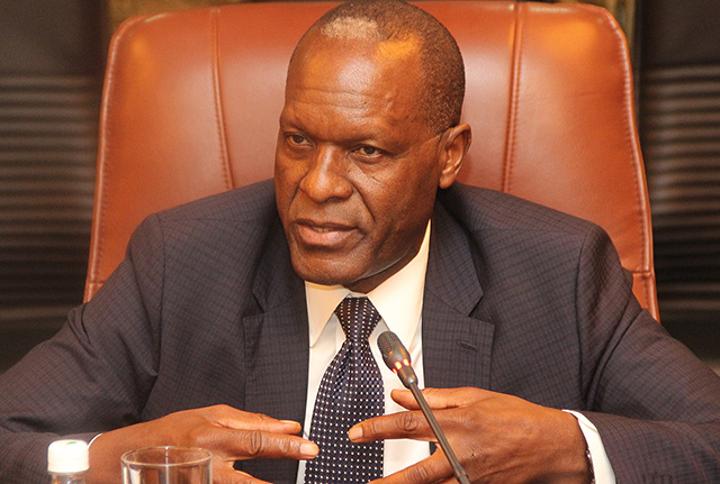
Africa-Press – Namibia. MINISTER of mines and energy Tom Alweendo says companies who wish to invest in the country’s natural resources should focus on empowering local communities.
He says when considering investment, companies should think of providing decent jobs, respecting customs, and contributing to the broader advancement of the communities they want to operate in.
“I believe that future successful investments in our natural resources will be those that are able to reimagine their businesses. The successful and sustainable ones will be those that are able to deliver on both making a profit for their shareholders and positively impacting the societies in which they invest and operate,” Alweendo said while speaking at a Bank of Namibia (BoN) symposium yesterday.
Alweendo bemoaned western countries and interest groups demanding that Africa give up its fossil fuel energy resources, saying they are condescending and are dissuading Africa from joining the economic elite.
He said western countries are displaying double standards after having exploited Africa’s raw materials for the betterment of their countries, and are preventing Africa from doing the same.
Pushing Africa to move forward with an energy transition on any timetable other than its own is just another example of the lack of respect the global community has for African priorities, Alweendo said.
“What is needed is for us to develop our own energy transition timeline actively and purposefully – one that takes into account the urgency of the climate change crisis and the needs of African people.
“It may not be easy, but it will be necessary to take true ownership and custodianship of our natural resources,” he said.
In this manner, instead of facing hopelessness and despair, he said many more young people would be empowered to achieve the future they deserve.
“Think about the potential loss of economic opportunities and greater difficulties in delivering reliable electricity to the hundreds of millions of Africans who need it so badly.
“Think about the ensuing loss of the livelihood that most African countries have been carefully nurturing over the last few decades,” Alweendo said.
One of the most significant reasons why Africans must insist on a just energy transition, Alweendo said, is the fact that the continent suffers from acute energy poverty.
According to the minister, more than 600 million people in sub-Saharan Africa do not have access to reliable electricity.
“In Namibia, we have seen how the lack of access to energy puts our people at a disadvantage in almost every area of life,” he added.
Alweendo said Namibia is fortunate to have both renewable and non-renewable energy sources, and intends to harness fossil fuel resources, including natural gas, for domestic, regional, and continental needs.
“We can all agree that renewables are the energy sources of the future. However, we are not there yet, and even when that happens, renewable energy may not be sufficient to eradicate poverty energy on the continent without significant infrastructure investment that we do not have the capacity for at present,” he said.
Speaking at the same event, BoN governor Johannes !Gawaxab said the issue of ensuring optimal local content in the exploitation of resources must remain prominent.
He called for the finalisation and adoption of the local content policy, adding that facilitating local content and participating in the oil and gas value chains have the potential to ensure broad-based benefits from these resources.
“To avoid and prevent the much-dreaded ‘resource curse’ which has plagued many developing countries with newly discovered natural resources, the private sector will need to capitalise on these opportunities,” he said.
!Gawaxab said exploration activities should also generate new infrastructure, such as roads, railway lines, electricity supply, schools, and hospitals, which would benefit the rest of the population.
He says when considering investment, companies should think of providing decent jobs, respecting customs, and contributing to the broader advancement of the communities they want to operate in.
“I believe that future successful investments in our natural resources will be those that are able to reimagine their businesses. The successful and sustainable ones will be those that are able to deliver on both making a profit for their shareholders and positively impacting the societies in which they invest and operate,” Alweendo said while speaking at a Bank of Namibia (BoN) symposium yesterday.
Alweendo bemoaned western countries and interest groups demanding that Africa give up its fossil fuel energy resources, saying they are condescending and are dissuading Africa from joining the economic elite.
He said western countries are displaying double standards after having exploited Africa’s raw materials for the betterment of their countries, and are preventing Africa from doing the same.
Pushing Africa to move forward with an energy transition on any timetable other than its own is just another example of the lack of respect the global community has for African priorities, Alweendo said.
“What is needed is for us to develop our own energy transition timeline actively and purposefully – one that takes into account the urgency of the climate change crisis and the needs of African people.
“It may not be easy, but it will be necessary to take true ownership and custodianship of our natural resources,” he said.
In this manner, instead of facing hopelessness and despair, he said many more young people would be empowered to achieve the future they deserve.
“Think about the potential loss of economic opportunities and greater difficulties in delivering reliable electricity to the hundreds of millions of Africans who need it so badly.
“Think about the ensuing loss of the livelihood that most African countries have been carefully nurturing over the last few decades,” Alweendo said.
One of the most significant reasons why Africans must insist on a just energy transition, Alweendo said, is the fact that the continent suffers from acute energy poverty.
According to the minister, more than 600 million people in sub-Saharan Africa do not have access to reliable electricity.
“In Namibia, we have seen how the lack of access to energy puts our people at a disadvantage in almost every area of life,” he added.
Alweendo said Namibia is fortunate to have both renewable and non-renewable energy sources, and intends to harness fossil fuel resources, including natural gas, for domestic, regional, and continental needs.
“We can all agree that renewables are the energy sources of the future. However, we are not there yet, and even when that happens, renewable energy may not be sufficient to eradicate poverty energy on the continent without significant infrastructure investment that we do not have the capacity for at present,” he said.
Speaking at the same event, BoN governor Johannes !Gawaxab said the issue of ensuring optimal local content in the exploitation of resources must remain prominent.
He called for the finalisation and adoption of the local content policy, adding that facilitating local content and participating in the oil and gas value chains have the potential to ensure broad-based benefits from these resources.
“To avoid and prevent the much-dreaded ‘resource curse’ which has plagued many developing countries with newly discovered natural resources, the private sector will need to capitalise on these opportunities,” he said.
!Gawaxab said exploration activities should also generate new infrastructure, such as roads, railway lines, electricity supply, schools, and hospitals, which would benefit the rest of the population.
For More News And Analysis About Namibia Follow Africa-Press