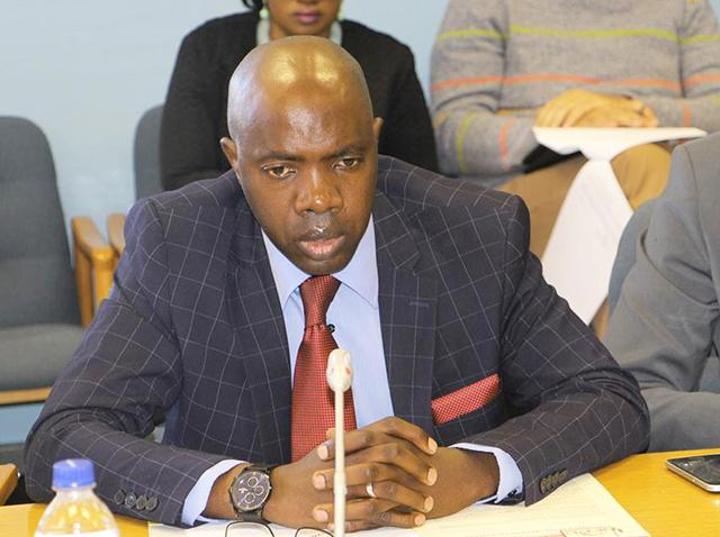
Africa-Press – Namibia. EXECUTIVE director of information and communications technology Audrin Mathe says threats of violence and attacks against journalists are serious violations of the freedom of expression and hampers the free dissemination of information to citizens.
Mathe said this on International Day to End Impunity for Crimes Against Journalists, which was commemorated yesterday.
“As a country that fosters the values and principles of press freedom, this day reminds us to speak out against any form of injustice against journalists globally,” he said.
Mathe said the Namibian government reaffirms its commitment to the freedom of expression and press, while calling on all countries to heed this call as it is part of the foundation of democracy.
“Namibia will continue ensuring a safe and enabling environment for all journalists. Journalism is a public good, and we must protect it. By protecting the media, we protect democracy,” Mathe said.
He said the access to information bill, which was recently passed in parliament, is a cornerstone of freedom. The bill currently awaits president Hage Geingob’s signature before it becomes law.
Meanwhile, the director of the Namibia Media Trust, Zoe Titus, said as powerful elites gain access to more resources, and the African continent is being plundered, journalists are increasingly prone to attacks when those with political power sow devastation with impunity.
“As a result, journalists, particularly those engaged in investigative journalism on issues of public procurement and the extractive industries, find themselves in the cross hairs of politics, power and corruption,” Titus said. She said Africa is beset with conflicts which create the ideal conditions to perpetuate corruption and impede functional institutions of government.
“When government funds and resources are diverted through corrupt activities, instead of being utilised for the benefit of citizens, social and economic growth regresses,” she said.
Titus said the commemoration specifically remembers Chadian journalist Orédjé Narcisse who was shot and killed outside his home on 20 October this year.
Narcisse was on his way to work when men in military uniforms reportedly opened fire on him.
“We urge the Chadian government to launch an investigation into his killing, and bring those responsible to justice,” she said.
This year marks the 10th anniversary of the United Nations Plan of Action on the Safety of Journalists.
Titus said the plan notes that there has been a marked increase in digital threats in the last decade that requires decisive action by governments, media houses, and media development organisations globally.
Mathe said this on International Day to End Impunity for Crimes Against Journalists, which was commemorated yesterday.
“As a country that fosters the values and principles of press freedom, this day reminds us to speak out against any form of injustice against journalists globally,” he said.
Mathe said the Namibian government reaffirms its commitment to the freedom of expression and press, while calling on all countries to heed this call as it is part of the foundation of democracy.
“Namibia will continue ensuring a safe and enabling environment for all journalists. Journalism is a public good, and we must protect it. By protecting the media, we protect democracy,” Mathe said.
He said the access to information bill, which was recently passed in parliament, is a cornerstone of freedom. The bill currently awaits president Hage Geingob’s signature before it becomes law.
Meanwhile, the director of the Namibia Media Trust, Zoe Titus, said as powerful elites gain access to more resources, and the African continent is being plundered, journalists are increasingly prone to attacks when those with political power sow devastation with impunity.
“As a result, journalists, particularly those engaged in investigative journalism on issues of public procurement and the extractive industries, find themselves in the cross hairs of politics, power and corruption,” Titus said. She said Africa is beset with conflicts which create the ideal conditions to perpetuate corruption and impede functional institutions of government.
“When government funds and resources are diverted through corrupt activities, instead of being utilised for the benefit of citizens, social and economic growth regresses,” she said.
Titus said the commemoration specifically remembers Chadian journalist Orédjé Narcisse who was shot and killed outside his home on 20 October this year.
Narcisse was on his way to work when men in military uniforms reportedly opened fire on him.
“We urge the Chadian government to launch an investigation into his killing, and bring those responsible to justice,” she said.
This year marks the 10th anniversary of the United Nations Plan of Action on the Safety of Journalists.
Titus said the plan notes that there has been a marked increase in digital threats in the last decade that requires decisive action by governments, media houses, and media development organisations globally.
For More News And Analysis About Namibia Follow Africa-Press