Africa-Press – Namibia. LIMITED direct flights to top trading countries are one of the main challenges that hinder Namibia’s trade.
This was highlighted by the Chief Executive Officer (CEO) of Swissport South Africa, Khangi Khoza, during the Namibian Aviation and Connectivity Forum. Swissport provides airport ground services and manages modern air cargo warehouses.
Khoza explained that Namibia has many top trading partners. This includes South Africa, China, Botswana, Zambia, the Democratic Republic of Congo (DRC), Mozambique and Zimbabwe, among others. However, she said, despite having numerous trading partners, Namibia only has direct flights to a few of these places. According to her, this is one of the key challenges that hampers Namibia’s trade.
While emphasising that air travel facilitates trade, Khoza pointed out that most of Namibia’s imports are transported by road (53%), while only 7% are transported via air travel.
Namibia’s top ten imported goods include petroleum oils, copper ores and concentrates, motor vehicles for transport of goods, pearls and precious stones, vessels, medicaments, ores and concentrates of precious metals, inorganic chemicals, vehicles for transport of less than ten people and alcoholic beverages.
However, only the pearls and precious stones, medicaments and inorganic chemicals are transported via air travel, while the rest are transported by road and ship.
According to Khoza, the use of air cargo is also limited when it comes to Namibia’s exports. Considering this, she said that there is a need to improve air cargo by enhancing trade routes and economic activity.
“There are several avenues for solutions that currently exist. Some of those include improved, professional, proactive route development activities, including cargo in route and business cases for airlines, which is an important factor. It’s also important to find a cargo strategy and plan for development of cargo facilities as well as the activities that will help cargo grow,” she said.
She also highlighted that the African Continental Free Trade Agreement (AfCFTA) aims to create the world’s largest single trading block, hence enhancing intra-continental trade. However, Khoza revealed that while some of the instruments have been ratified by all countries and agreements are in place at a multi-lateral level, the implementation of the AfCFTA is still lacking.
In this regard, she advised Namibia to embrace the role of a leader to enhance intra-continental trade, even though the country is not currently one of the strongest players in the aviation industry. For this, she recommended the adoption of a progressive approach that can fast-track the continent’s progress in the aviation industry.
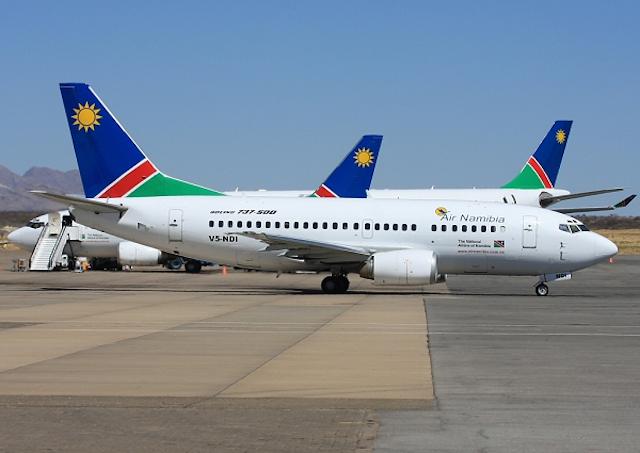
Picture for illustrative purposes only.
For More News And Analysis About Namibia Follow Africa-Press