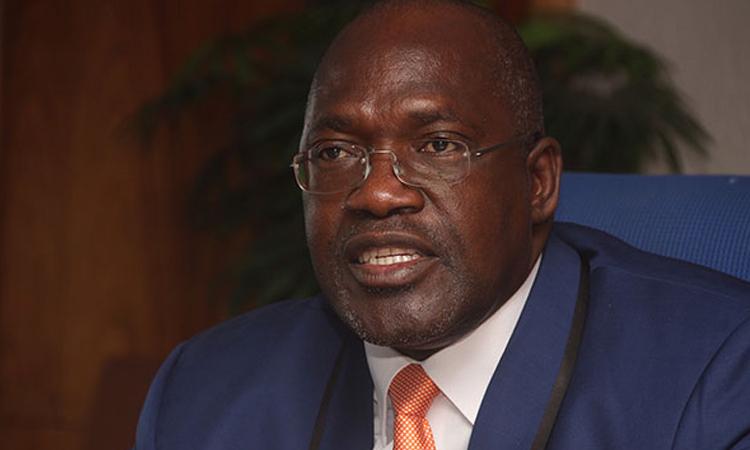
Africa-Press – Namibia. THE chairperson of the parliamentary select committee tasked to investigate the mass resignation of fishermen at Walvis Bay, Tjekero Tweya, has said the matter is now an issue of national concern that must be resolved for the sake of peace.
Tweya said the ministries of fisheries and labour failed to find a lasting solution to the issue of the former seamen, hence the National Assembly stepped in to help resolve the matter.
Yesterday, Tweya described the matter of unemployed fishermen as a “fire that refuses to be extinguished”. The fishermen, numbering around 1 300, were dismissed following an illegal strike in 2015. Some were retrenched by Namsov Fishing after its quotas were reduced by the Ministry of Fisheries and Marine Resources.
During a public hearing with senior officials of the ministries of fisheries and labour at parliament yesterday, Tweya hinted that the two ministries failed to resolve the matter, which led to the mass resignation of fishermen.
Fisheries and marine resources executive director Anneli Haifene told the committee that the two ministries learnt about the mass resignation of 612 fishermen who were employed by Cavema Fishing JV and Hodago in August.
She said the fishermen were concerned about being paid N$4 000 monthly allowances, while sitting at home.
“The fishermen were also misled by some companies who promised to provide them with employment and better salaries,” Haifene said, referring to Walu Fishing, a company that was promising the fishermen a monthly salary of N$9 000.
After the resignations, the companies stopped the monthly allowances, which irked the affected workers, claiming that they were entitled to payment.
However, Tweya criticised the two ministries for mishandling the case, saying there is a wide information gap.
“Because it is a labour issue, the ministry of labour is disappointing. You are here on the ground but you don’t know what is happening – you are supposed to deal with the issues,” Tweya said, while addressing labour’s acting executive director Lydia Iindombo and her team.
Tweya is chairing the select committee that was constituted by the speaker of the National Assembly in line with Rule 54 (3) to determine the reasons for the mass resignation of the fishermen in August. Other members of the committee are Elma Dienda, Edson Isaaks and Gotthard Kasuto.
The committee visited Walvis Bay last week where it held meetings with companies involved in the governmental employment redressing programme and the affected fishermen. Tweya lamented that the issue remained unresolved despite many meetings held at Walvis Bay and in Windhoek.
He said the issue of the mass resignation of fishermen from the five companies that were given special quotas to absorb the unemployed fishermen, is an issue of national interest.
“Where an issue is of national interest and the responsible offices, agencies, or ministries are not in a position to bring that issue to a halt, once it reaches the big house, it is in the mandate of the speaker to refer such matter to the standing committee, which then does an investigation, writes a comprehensive report to parliament and for parliament to take an appropriate decision,” he explained.
REINSTATEMENT DEAL
Haifene said the two ministries have reached an agreement for the companies to put back the fishermen on the payrolls until the end of the fishing season.
This was after the workers agreed to retract their resignations in writing. The labour union also agreed to withdraw the labour case that it had registered with the Office of Labour Commissioner.
Haifene further revealed that Hondago Fishing, which together with Kuiseb Fishing Enterprises absorbed 264 fishermen, has agreed to reinstate the seamen onto their payroll. However, Cavema Fishing which absorbed 371 fishermen is yet to respond to the ministry’s request.
Cavema Fishing director Robert Shimwoshili told the select committee last week that the company is unable to re-employ the fishermen at sea since the quota allocated to the company was not enough to require an additional vessel.
He further told the committee that the only active work carried out by the former fishermen is occasionally unloading boxes from vessels.
Tweya said the ministries of fisheries and labour failed to find a lasting solution to the issue of the former seamen, hence the National Assembly stepped in to help resolve the matter.
Yesterday, Tweya described the matter of unemployed fishermen as a “fire that refuses to be extinguished”. The fishermen, numbering around 1 300, were dismissed following an illegal strike in 2015. Some were retrenched by Namsov Fishing after its quotas were reduced by the Ministry of Fisheries and Marine Resources.
During a public hearing with senior officials of the ministries of fisheries and labour at parliament yesterday, Tweya hinted that the two ministries failed to resolve the matter, which led to the mass resignation of fishermen.
Fisheries and marine resources executive director Anneli Haifene told the committee that the two ministries learnt about the mass resignation of 612 fishermen who were employed by Cavema Fishing JV and Hodago in August.
She said the fishermen were concerned about being paid N$4 000 monthly allowances, while sitting at home.
“The fishermen were also misled by some companies who promised to provide them with employment and better salaries,” Haifene said, referring to Walu Fishing, a company that was promising the fishermen a monthly salary of N$9 000.
After the resignations, the companies stopped the monthly allowances, which irked the affected workers, claiming that they were entitled to payment.
However, Tweya criticised the two ministries for mishandling the case, saying there is a wide information gap.
“Because it is a labour issue, the ministry of labour is disappointing. You are here on the ground but you don’t know what is happening – you are supposed to deal with the issues,” Tweya said, while addressing labour’s acting executive director Lydia Iindombo and her team.
Tweya is chairing the select committee that was constituted by the speaker of the National Assembly in line with Rule 54 (3) to determine the reasons for the mass resignation of the fishermen in August. Other members of the committee are Elma Dienda, Edson Isaaks and Gotthard Kasuto.
The committee visited Walvis Bay last week where it held meetings with companies involved in the governmental employment redressing programme and the affected fishermen. Tweya lamented that the issue remained unresolved despite many meetings held at Walvis Bay and in Windhoek.
He said the issue of the mass resignation of fishermen from the five companies that were given special quotas to absorb the unemployed fishermen, is an issue of national interest.
“Where an issue is of national interest and the responsible offices, agencies, or ministries are not in a position to bring that issue to a halt, once it reaches the big house, it is in the mandate of the speaker to refer such matter to the standing committee, which then does an investigation, writes a comprehensive report to parliament and for parliament to take an appropriate decision,” he explained.
REINSTATEMENT DEAL
Haifene said the two ministries have reached an agreement for the companies to put back the fishermen on the payrolls until the end of the fishing season.
This was after the workers agreed to retract their resignations in writing. The labour union also agreed to withdraw the labour case that it had registered with the Office of Labour Commissioner.
Haifene further revealed that Hondago Fishing, which together with Kuiseb Fishing Enterprises absorbed 264 fishermen, has agreed to reinstate the seamen onto their payroll. However, Cavema Fishing which absorbed 371 fishermen is yet to respond to the ministry’s request.
Cavema Fishing director Robert Shimwoshili told the select committee last week that the company is unable to re-employ the fishermen at sea since the quota allocated to the company was not enough to require an additional vessel.
He further told the committee that the only active work carried out by the former fishermen is occasionally unloading boxes from vessels.
For More News And Analysis About Namibia Follow Africa-Press