Africa-Press – Namibia. MINISTER of mines and energy Tom Alweendo said Namibia’s oil industry could take up to 10 years to start producing, but noted the government and the two involved oil companies want to monetise the resource quickly.
Production may be fast-tracked to four years, he said.
Alweendo said Namibia would not only receive 10% of the profit made by the country’s recent oil finds, but would also benefit from the taxes from revenue earned from the resource.
This currently stands at 35% and a royalty of 5% from the two involved oil-discovering companies, TotalEnergies SE and Shell Plc.
The Ministry of Mines and Energy is currently in the process of developing a policy to ensure Namibians and Namibian companies benefit from the anticipated local oil industry.
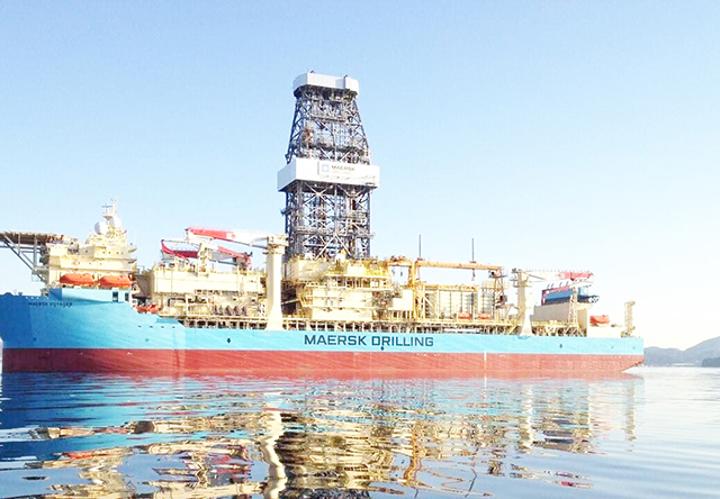
In February this year TotalEnergies SE announced the discovery of oil off the coast of Oranjemund in the //Kharas region.
Three weeks later, Shell Plc announced a find.
Both are located about 250km off the coast.
The estimated combined retrievable oil is set at almost four billion barrels.
Alweendo on Wednesday at Lüderitz during an information sharing session said the ministry is working on a local content policy stating all the services needed for the industry must be provided by Namibian-owned companies.
Alweendo said the policy provides for more complex services such as engineering to be provided by Namibians from year five of production, while transport, lodging, and catering services can be provided by Namibian-owned companies from the get-go.
“I’m urging business people to please work with us as are crafting this policy.
“Currently it is in its draft stage, so by the time it becomes law we should all feel we were a part of its making,” he said.
The law also makes provision for additional taxes to be accrued to the government should the companies make super profits.
“In our computation and formula we use to calculate expected revenue it tells us we could receive between 55 and 65% in taxes from revenue earned by the companies.
“So people are always concerned about the 10% we receive as owners, but that should not be our concern. We should be looking at the revenue being made by Shell and Total as that is what our legal framework provides for us to get an income from,” Alweendo said.
Oil discoveries have, however, not always been a blessing to the countries where it has been discovered as many nations have experienced disenfranchisement, wars and underdevelopment, Alweendo said.
He said it is up to Namibians to decide whether it will be a curse or a blessing.
“Therefore we need to have strong institutions that can manage this type of wealth . . .
“And we do have these institutions, be it political or public institutions. One other manner is the national wealth fund, therefore part of the revenue will go to that fund to help future generations,” he said.
//Kharas governor Aletha Frederick says it is necessary for the front runners of the projects to be mindful of the effective governance pillar of the economy, which encourages leaders to execute public office roles in the best interest of the public.
“Therefore, as leaders, we must guard against unprincipled conduct, which has the potential to cause many undesirable socio-economic outcomes, which could deny people benefiting from resources at their doorsteps,” she said.
For More News And Analysis About Namibia Follow Africa-Press