Africa-Press – Namibia. THE Ministry of Agriculture, Water and Land Reform is in the process of reviewing the national resettlement policy of 2001, which guides the land redistribution and resettlement programme in the country.
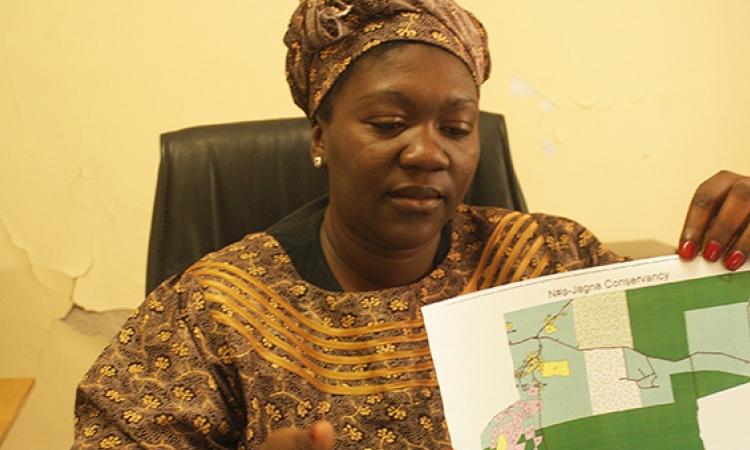
Executive director of agriculture, water and land reform Ndiyakupi Nghituwamata said this recently while addressing public concerns that the policy was not inclusive enough, and that some of the issues experienced on the ground were not explicitly covered in the document.
“Another crucial challenge during the implementation process is that the ministry found itself being the land administrator and also implementer of some programmes and activities which were supposed to be carried out by other government institutions or agencies,” she said.
Nghituwamata said during the implementation of the policy, gaps were identified which have led to the review.
The review will also address a mismatch between the policy and criteria for the allocation of acquired land.
“There has been poor agricultural productivity on allocated land and an absence of or inadequate pre- and post-settlement support,” she said.
According to Nghituwamata, there is a lack of effective monitoring and evaluation of the resettlement process, and poor stakeholder involvement and coordination.
“The revised national resettlement policy presents the government’s commitment to addressing the land redistribution challenges our country continues to battle with in a more coordinated, inclusive and transparent manner.
“The policy will ensure that the resettlement programme is fair and transparent, with the main goal being to ensure that the land acquired is fairly and equitably allocated and sustainably utilised to improve the quality of life of beneficiaries,” she said.
The executive director said the revised policy advances three resettlement models: the high economic value model, the moderate economic value model, and the low economic value model.
These models aim to address social, economic and political issues, covering all kinds of landless, displaced and destitute citizens in the country, she said.
To address the lack of security of tenure for resettlement farmers, Nghituwamata said the revised policy directs that in addition to allocating farmland on a leasehold basis, the option for freehold rights should also be granted to successful beneficiaries upon meeting the conditions of their lease agreement.
She said pre- and post-settlement support in the form of support services/packages and starting capital were identified to be essential and should be developed and offered to resettled farmers.
Nghituwamata further said the revised policy directs that relevant institutional support should be established to ensure full stakeholder participation and coordination.
“The effective monitoring and evaluation of implementation progress is underlined as the policy concludes by making provision for an implementation plan aimed at ensuring the attainment of the policy objectives,” she said, adding that all 14 regions were consulted in clustered meetings in June and July 2017, followed by a national consultative meeting in Windhoek.
“All inputs from those meetings were incorporated into the revised policy. Participants to the regional and national meetings were drawn from Agribank, regional councils, local councils, commercial farmers, agricultural unions, all traditional authorities, the Land Reform Advisory Commission, relevant line ministries, and members of the public.
As part of the implementation strategy, the ministry will develop a business re-engineering process for resettlement that will be aligned to the revised resettlement policy.
It will also review resettlement criteria to be in line with the proposed resettlement models.
Email: [email protected]
Executive director of agriculture, water and land reform Ndiyakupi Nghituwamata said this recently while addressing public concerns that the policy was not inclusive enough, and that some of the issues experienced on the ground were not explicitly covered in the document.
“Another crucial challenge during the implementation process is that the ministry found itself being the land administrator and also implementer of some programmes and activities which were supposed to be carried out by other government institutions or agencies,” she said.
Nghituwamata said during the implementation of the policy, gaps were identified which have led to the review.
The review will also address a mismatch between the policy and criteria for the allocation of acquired land.
“There has been poor agricultural productivity on allocated land and an absence of or inadequate pre- and post-settlement support,” she said.
According to Nghituwamata, there is a lack of effective monitoring and evaluation of the resettlement process, and poor stakeholder involvement and coordination.
“The revised national resettlement policy presents the government’s commitment to addressing the land redistribution challenges our country continues to battle with in a more coordinated, inclusive and transparent manner.
“The policy will ensure that the resettlement programme is fair and transparent, with the main goal being to ensure that the land acquired is fairly and equitably allocated and sustainably utilised to improve the quality of life of beneficiaries,” she said.
The executive director said the revised policy advances three resettlement models: the high economic value model, the moderate economic value model, and the low economic value model.
These models aim to address social, economic and political issues, covering all kinds of landless, displaced and destitute citizens in the country, she said.
To address the lack of security of tenure for resettlement farmers, Nghituwamata said the revised policy directs that in addition to allocating farmland on a leasehold basis, the option for freehold rights should also be granted to successful beneficiaries upon meeting the conditions of their lease agreement.
She said pre- and post-settlement support in the form of support services/packages and starting capital were identified to be essential and should be developed and offered to resettled farmers.
Nghituwamata further said the revised policy directs that relevant institutional support should be established to ensure full stakeholder participation and coordination.
“The effective monitoring and evaluation of implementation progress is underlined as the policy concludes by making provision for an implementation plan aimed at ensuring the attainment of the policy objectives,” she said, adding that all 14 regions were consulted in clustered meetings in June and July 2017, followed by a national consultative meeting in Windhoek.
“All inputs from those meetings were incorporated into the revised policy. Participants to the regional and national meetings were drawn from Agribank, regional councils, local councils, commercial farmers, agricultural unions, all traditional authorities, the Land Reform Advisory Commission, relevant line ministries, and members of the public.
As part of the implementation strategy, the ministry will develop a business re-engineering process for resettlement that will be aligned to the revised resettlement policy.
It will also review resettlement criteria to be in line with the proposed resettlement models.
For More News And Analysis About Namibia Follow Africa-Press