Africa-Press – Namibia. THE bulk of the budget for the Ministry of International Relations and Cooperation has been spent on its 34 missions, including four consulates.
• N$1,5 billion budgeted for purchasing and upgrades
• Return on investment questioned
• Ministry defends Geingob’s overseas trips
According to the Ministry of Finance’s accountability report for the 2021/22 financial year, the international relations ministry spent N$762 483 946 in total on these missions.
This is out of its N$988 million overall budget.
Meanwhile, the ministry has budgeted N$1,5 billion for the purchasing, construction and renovation of diplomatic premises abroad.
This money was budgeted for the 2020/2021 financial year, and these capital projects are expected to be completed next year.
On average, each mission would receive about N$23,5 million for the 12-month financial year, while the ministry also paid N$138 624 in rent.
During the 2020/21 financial year, the ministry deployed 11 heads of mission to various parts of the world.
In the previous year, the ministry spent N$734 million on diplomatic missions in addition to the N$120 998 in rent.
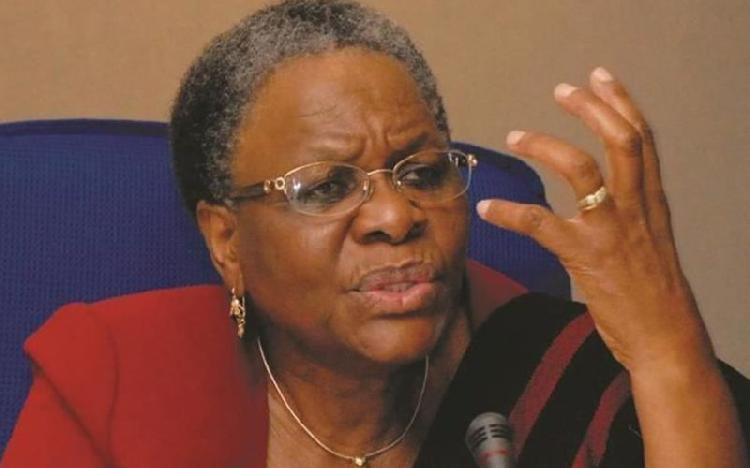
This year, minister of international relations and cooperation Netumbo Nandi-Ndaitwah said the ministry “intensively” introduced cost-cutting measures, which include the reduction of its staff at most diplomatic missions.
“We are committed to do more with less,” she said.
The Cabinet has approved establishing diplomatic missions in Turkey and the United Arab Emirates, but this plan was derailed by the pandemic. The current state of affairs has brought the return on investment from embassies and consulates into question.
Executive director of international relations and cooperation Penda Naanda yesterday said the country’s economic diplomacy policy has been able to market Namibia, which has become known for products such as grapes.
“We are also seeing people now interested in wine from the Erongo region. I am talking about products that are not normally associated with Namibia,” he said.
Naanda defended the country’s foreign missions, saying the ministry has seen an increase in demand for products associated with Namibia, such as beef and beer, outside the country.
“Of late we have seen the interest of our meat from the northern regions from the so-called redline zone being exported to Ghana, and the interest has grown within the west African region to get this meat.
“Even Angola has now shown interest in getting this meat,” he said.
In June, Meatco sent its first consignment of Namibian beef from the northern communal areas (NCAs) to Tema port in Accra, Ghana.
“[As a result,] we have Congo (Brazzaville). They have also indicated interest in acquiring our meat. We have Rwanda which also wants to get examples in terms of how we process our meat, and so on,” he said.
Naanda said diplomacy has now been reduced to bread-and-butter issues.
“This is what we have seen our embassies doing, and this is what we are continuing to encourage our embassies to do.
“Many other products we are taking outside the country as a result of what we call economic diplomacy, because the world has changed,” he said.
‘TRAVELS NOT IN VAIN’
Naanda said president Hage Geingob’s travels are not in vain as the country is in need of investors.
The president has travelled to 10 countries in the last seven months.
“As we are competing with the best of the best, we have to leverage what we can give, and so the president has been travelling through Europe and America trying to woo investors to come to Namibia.
“And as I have indicated, the successes can be shown to America today. We are one of the African countries, if not the only, which exports meat to the United States,” he said.
Naanda said the fact that Namibia has been exporting coal to the US, as well as grapes and ostriches, is thanks to Geingob’s efforts.
“And these are results coming out of the presidential travels across the world. We on the ground are seeing the difference of what the president’s official trips are producing for the country,” he said.
Naanda, however, admitted that results are not immediate, because investors need to test the market.
Last month, State House defended Geingob’s frequent travelling, saying his globetrotting is about looking for investments and facilitating development.
• N$1,5 billion budgeted for purchasing and upgrades
• Return on investment questioned
• Ministry defends Geingob’s overseas trips
According to the Ministry of Finance’s accountability report for the 2021/22 financial year, the international relations ministry spent N$762 483 946 in total on these missions.
This is out of its N$988 million overall budget.
Meanwhile, the ministry has budgeted N$1,5 billion for the purchasing, construction and renovation of diplomatic premises abroad.
This money was budgeted for the 2020/2021 financial year, and these capital projects are expected to be completed next year.
On average, each mission would receive about N$23,5 million for the 12-month financial year, while the ministry also paid N$138 624 in rent.
During the 2020/21 financial year, the ministry deployed 11 heads of mission to various parts of the world.
In the previous year, the ministry spent N$734 million on diplomatic missions in addition to the N$120 998 in rent.
This year, minister of international relations and cooperation Netumbo Nandi-Ndaitwah said the ministry “intensively” introduced cost-cutting measures, which include the reduction of its staff at most diplomatic missions.
“We are committed to do more with less,” she said.
The Cabinet has approved establishing diplomatic missions in Turkey and the United Arab Emirates, but this plan was derailed by the pandemic. The current state of affairs has brought the return on investment from embassies and consulates into question.
Executive director of international relations and cooperation Penda Naanda yesterday said the country’s economic diplomacy policy has been able to market Namibia, which has become known for products such as grapes.
“We are also seeing people now interested in wine from the Erongo region. I am talking about products that are not normally associated with Namibia,” he said.
Naanda defended the country’s foreign missions, saying the ministry has seen an increase in demand for products associated with Namibia, such as beef and beer, outside the country.
“Of late we have seen the interest of our meat from the northern regions from the so-called redline zone being exported to Ghana, and the interest has grown within the west African region to get this meat.
“Even Angola has now shown interest in getting this meat,” he said.
In June, Meatco sent its first consignment of Namibian beef from the northern communal areas (NCAs) to Tema port in Accra, Ghana.
“[As a result,] we have Congo (Brazzaville). They have also indicated interest in acquiring our meat. We have Rwanda which also wants to get examples in terms of how we process our meat, and so on,” he said.
Naanda said diplomacy has now been reduced to bread-and-butter issues.
“This is what we have seen our embassies doing, and this is what we are continuing to encourage our embassies to do.
“Many other products we are taking outside the country as a result of what we call economic diplomacy, because the world has changed,” he said.
‘TRAVELS NOT IN VAIN’
Naanda said president Hage Geingob’s travels are not in vain as the country is in need of investors.
The president has travelled to 10 countries in the last seven months.
“As we are competing with the best of the best, we have to leverage what we can give, and so the president has been travelling through Europe and America trying to woo investors to come to Namibia.
“And as I have indicated, the successes can be shown to America today. We are one of the African countries, if not the only, which exports meat to the United States,” he said.
Naanda said the fact that Namibia has been exporting coal to the US, as well as grapes and ostriches, is thanks to Geingob’s efforts.
“And these are results coming out of the presidential travels across the world. We on the ground are seeing the difference of what the president’s official trips are producing for the country,” he said.
Naanda, however, admitted that results are not immediate, because investors need to test the market.
Last month, State House defended Geingob’s frequent travelling, saying his globetrotting is about looking for investments and facilitating development.
For More News And Analysis About Namibia Follow Africa-Press