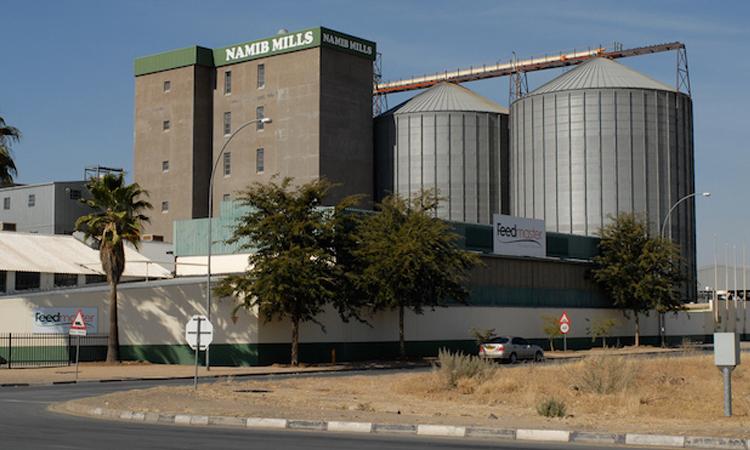
Africa-Press – Namibia. THE pending food increases announced by Namib Mills will have a devastating effect on Namibians, especially the poor who will be pushed further into extreme poverty.
THE pending food increases announced by Namib Mills will have a devastating effect on Namibians, especially the poor who will be pushed further into extreme poverty.
This is the reaction of Rinaani Musutua of the Basic Income Grant (BIG) Coalition Namibia, who says the rising food prices pose a serious threat to the food security, health and education of many Namibians.
“It will make it even more difficult for struggling Namibians to afford basic nutritional food,” she says.
Namib Mills has increased the price of a number of products, including maize meal, flour, pasta and others, by varying percentages effective from 14 November.
“With the cost of living increasing, more struggling Namibians will be pushed into extreme multidimensional poverty, and will struggle to afford basic human necessities.
“People will spend more money on food, which takes away spending on healthcare, education and transport,” Musutua says.
According to a company statement dated 11 October, issued by the company’s financial manager, ST Ackerman, a number of factors has caused the increase in prices.
“The Namibia dollar has continued to weaken against the United States dollar, shedding 17% of its value over the past couple of months. The prospects of low global economic growth and further United States (US) interest rate increases continue to strengthen the US dollar and devalue emerging market currencies,” Ackerman says.
The decline in the value of the Namibia dollar compared to the US dollar impacts major commodity categories, including wheat, maize and sugar.
“The decline in US dollar terms, seen on some commodities from its highs in May and June, have been nullified by the weakening of the exchange rate, and has seen further increases in commodity prices in Namibia dollar terms,” he says.
Maize meal will cost 13% more, instant porridge 9% more, Polana Pasta 3% more, Pasta King 3% more, wheat flour 5% more, Complete Mix 5% more, bread 4% more, and sugar 6,5% more.
A 10kg bag of maize meal, which costs around N$110, will now cost around N$130.
“Orders will be executed at the existing prices up to the close of business on Friday, 11 November while stocks last,” the statement reads.
Tangeni Shindondola, the executive director of the Informal Traders Association of Namibia, says the increases will hit members of the association hard.
“Those who depend on commodities to trade in things like cakes and bread will find it hard to afford these ingredients, let alone increase the prices of their goods, because their customers would not be able to afford them.
“We are in a serious crisis of depression and hunger, and the government and other stakeholders have to find a way to intervene to prevent worsening hunger. We are facing acute hunger, and it is scary.”
Shindondola says short-term interventions like food banks should help, but the government has to consider how to attract investment and subsidise farmers to produce enough food and adding value to it.
Musutua says the increased cost of living will push people into extreme poverty, stimulating crime, homicide, gender-based violence, and people taking their own lives.
“That is why we suggest the government urgently implement a universal/unconditional BIG scheme of N$500 per month for people aged 19 to 59 (1,2 million people) to help suffering Namibians afford basic food,” she says.
This is not the first time Namib Mills is increasing prices this year, as food prices went up on 25 April.
The products of which prices were hiked were maize meal, which increased by 3%, pasta and bread (3%), wheat flour (6%), rice (3%) and sugar (3%).
Considering that Namibia is a net food importer, pressure on the country’s food system has grown due to the drought in 2018 and 2019, which has resulted in poor harvests.
Farmers have also moderated harvests in light of uncertainty induced by ever-changing Covid-19 regulations.
This is also driven by the global energy crisis and production risks due to supply disruptions caused by the Russia-Ukraine war.
Food supply chains have been disrupted by the pandemic and the Russia-Ukraine war, which have forced prices to skyrocket.
Commenting on a similar food price rise in November 2021, labour expert Herbert Jauch said: “A poor household may spend 60% or 70% of its income on food, while wealthy households may only spend 10% or 20% of their income on food.
“Increased food prices hit poor people especially hard.”
Commenting on the increases, Selma Moongo of Namib Mills said the do not increase prices because they want to but do it for sustainability purposes.
“There will always be a strong co-relation between maize prices and the exchange rate. And when we speak of prices and why they have been negatively affected we look at three factors.
“The first being a global dry weather condition which has seen a reduction in the overall availability of maize, so whoever has maize will price it high. The US has increased the price of maize by 18% between July and August.
“the third factor is that South Africa, a known producer of grade 1 maize harvested less this year and as a result their prices have also gone up to,”” she said.
Email: [email protected]
This is the reaction of Rinaani Musutua of the Basic Income Grant (BIG) Coalition Namibia, who says the rising food prices pose a serious threat to the food security, health and education of many Namibians.
“It will make it even more difficult for struggling Namibians to afford basic nutritional food,” she says.
Namib Mills has increased the price of a number of products, including maize meal, flour, pasta and others, by varying percentages effective from 14 November.
“With the cost of living increasing, more struggling Namibians will be pushed into extreme multidimensional poverty, and will struggle to afford basic human necessities.
“People will spend more money on food, which takes away spending on healthcare, education and transport,” Musutua says.
According to a company statement dated 11 October, issued by the company’s financial manager, ST Ackerman, a number of factors has caused the increase in prices.
“The Namibia dollar has continued to weaken against the United States dollar, shedding 17% of its value over the past couple of months. The prospects of low global economic growth and further United States (US) interest rate increases continue to strengthen the US dollar and devalue emerging market currencies,” Ackerman says.
The decline in the value of the Namibia dollar compared to the US dollar impacts major commodity categories, including wheat, maize and sugar.
“The decline in US dollar terms, seen on some commodities from its highs in May and June, have been nullified by the weakening of the exchange rate, and has seen further increases in commodity prices in Namibia dollar terms,” he says.
Maize meal will cost 13% more, instant porridge 9% more, Polana Pasta 3% more, Pasta King 3% more, wheat flour 5% more, Complete Mix 5% more, bread 4% more, and sugar 6,5% more.
A 10kg bag of maize meal, which costs around N$110, will now cost around N$130.
“Orders will be executed at the existing prices up to the close of business on Friday, 11 November while stocks last,” the statement reads.
Tangeni Shindondola, the executive director of the Informal Traders Association of Namibia, says the increases will hit members of the association hard.
“Those who depend on commodities to trade in things like cakes and bread will find it hard to afford these ingredients, let alone increase the prices of their goods, because their customers would not be able to afford them.
“We are in a serious crisis of depression and hunger, and the government and other stakeholders have to find a way to intervene to prevent worsening hunger. We are facing acute hunger, and it is scary.”
Shindondola says short-term interventions like food banks should help, but the government has to consider how to attract investment and subsidise farmers to produce enough food and adding value to it.
Musutua says the increased cost of living will push people into extreme poverty, stimulating crime, homicide, gender-based violence, and people taking their own lives.
“That is why we suggest the government urgently implement a universal/unconditional BIG scheme of N$500 per month for people aged 19 to 59 (1,2 million people) to help suffering Namibians afford basic food,” she says.
This is not the first time Namib Mills is increasing prices this year, as food prices went up on 25 April.
The products of which prices were hiked were maize meal, which increased by 3%, pasta and bread (3%), wheat flour (6%), rice (3%) and sugar (3%).
Considering that Namibia is a net food importer, pressure on the country’s food system has grown due to the drought in 2018 and 2019, which has resulted in poor harvests.
Farmers have also moderated harvests in light of uncertainty induced by ever-changing Covid-19 regulations.
This is also driven by the global energy crisis and production risks due to supply disruptions caused by the Russia-Ukraine war.
Food supply chains have been disrupted by the pandemic and the Russia-Ukraine war, which have forced prices to skyrocket.
Commenting on a similar food price rise in November 2021, labour expert Herbert Jauch said: “A poor household may spend 60% or 70% of its income on food, while wealthy households may only spend 10% or 20% of their income on food.
“Increased food prices hit poor people especially hard.”
Commenting on the increases, Selma Moongo of Namib Mills said the do not increase prices because they want to but do it for sustainability purposes.
“There will always be a strong co-relation between maize prices and the exchange rate. And when we speak of prices and why they have been negatively affected we look at three factors.
“The first being a global dry weather condition which has seen a reduction in the overall availability of maize, so whoever has maize will price it high. The US has increased the price of maize by 18% between July and August.
“the third factor is that South Africa, a known producer of grade 1 maize harvested less this year and as a result their prices have also gone up to,”” she said.
For More News And Analysis About Namibia Follow Africa-Press