Africa-Press – Namibia. GIVEN Namibia’s recent oil discoveries, the country occupies a unique position and intends to harness both its renewable and non-renewable energy sources.
This was said by the minister of mines and energy, Tom Alweendo, at the Bank of Namibia symposium held in Windhoek yesterday.
“It is our intention to harness our fossil fuel resources, including natural gas, for our domestic, regional and continental needs,” said the minister, adding that Namibia will at the same time also build a thriving renewable energy industry that will mitigate climate change.
“We are particularly excited about the green hydrogen industry that we are developing,” said the minister in a statement issued by the ministry.
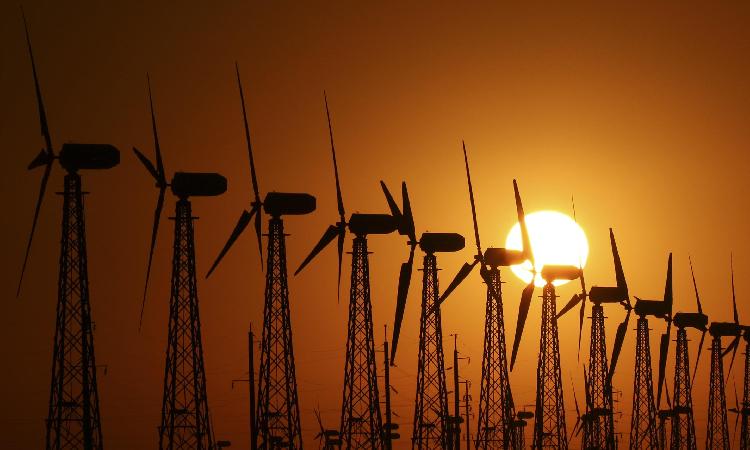
He said this was made possible primarily because of Namibia’s world-class solar and wind resources, making the country a potential forerunner in becoming a continental GH2 hub.
Alweendo said the theme of this year’s symposium: “Maximising Economic Growth From Renewable and Non-Renewable Energy Sources in Namibia” could not be more apt, given the energy crisis the world is experiencing.
He said the theme is also important in that for far too long Africa’s natural resources have not been used in the best interest of the continent.
“The continent’s resources have been exploited to unfairly benefit other continents. And Namibia has not been exempted from this history. The time has come where this must change,” he said.
The minister said he found it unreasonable that some developed countries and global interest groups try to dissuade Africa from leveraging all its natural resources.
“They suggest, and at times demand, that Africa gives up its fossil fuel energy sources as they see these as dangerous and ‘dirty, carbon-spewing’ oil and gas.
“They coax us to, as soon as possible, switch to clean renewable energy sources such as wind and solar and that it is ‘for our own good’.
“For some of us, this urging from our supposed friends is tantamount to the proverbial ‘kicking away the ladder’ (they used to climb to the top, preventing developing countries from taking the same route).”
Pushing Africa to move forward with an energy transition on any timetable other than its own, is just another example of the lack of respect the global community has for African priorities, he said.
“What is needed is for us to develop our own energy transition timeline actively and purposefully; one that takes into account the urgency of the climate change crisis and the need of the African people,”Alweendo said.
It may not be easy, but it will be necessary to take true ownership and custodianship of our natural resources, he added.
In this manner, instead of facing hopelessness and despair, many more of our young people will be empowered to achieve the future they deserve, the minister argued.
He said with this positive mindset towards responsibly harnessing Namibia’s natural resources, the country can reap the economic benefits that come with eradicating energy poverty.
“We can grow and diversify our economies, we can industrialise our economies, we can create well-paying jobs for our citizens, and create opportunities for our private sector companies and entrepreneurs,” Alweendo said.
This is the only sustainable way we can manage a successful energy transition, he said.
According to Alweendo, one of the most significant reasons why Africans must insist on a just energy transition, is that the continent suffers from acute energy poverty.
He said more than 600 million people in sub-Saharan Africa do not have access to reliable electricity.
“As we all know, energy is a critical catalyst for development, and we all know the level of development in our countries. In Namibia, we have seen how the lack of access to energy puts our people at a disadvantage in almost every area of life,” he said.
Email: [email protected]
This was said by the minister of mines and energy, Tom Alweendo, at the Bank of Namibia symposium held in Windhoek yesterday.
“It is our intention to harness our fossil fuel resources, including natural gas, for our domestic, regional and continental needs,” said the minister, adding that Namibia will at the same time also build a thriving renewable energy industry that will mitigate climate change.
“We are particularly excited about the green hydrogen industry that we are developing,” said the minister in a statement issued by the ministry.
He said this was made possible primarily because of Namibia’s world-class solar and wind resources, making the country a potential forerunner in becoming a continental GH2 hub.
Alweendo said the theme of this year’s symposium: “Maximising Economic Growth From Renewable and Non-Renewable Energy Sources in Namibia” could not be more apt, given the energy crisis the world is experiencing.
He said the theme is also important in that for far too long Africa’s natural resources have not been used in the best interest of the continent.
“The continent’s resources have been exploited to unfairly benefit other continents. And Namibia has not been exempted from this history. The time has come where this must change,” he said.
The minister said he found it unreasonable that some developed countries and global interest groups try to dissuade Africa from leveraging all its natural resources.
“They suggest, and at times demand, that Africa gives up its fossil fuel energy sources as they see these as dangerous and ‘dirty, carbon-spewing’ oil and gas.
“They coax us to, as soon as possible, switch to clean renewable energy sources such as wind and solar and that it is ‘for our own good’.
“For some of us, this urging from our supposed friends is tantamount to the proverbial ‘kicking away the ladder’ (they used to climb to the top, preventing developing countries from taking the same route).”
Pushing Africa to move forward with an energy transition on any timetable other than its own, is just another example of the lack of respect the global community has for African priorities, he said.
“What is needed is for us to develop our own energy transition timeline actively and purposefully; one that takes into account the urgency of the climate change crisis and the need of the African people,”Alweendo said.
It may not be easy, but it will be necessary to take true ownership and custodianship of our natural resources, he added.
In this manner, instead of facing hopelessness and despair, many more of our young people will be empowered to achieve the future they deserve, the minister argued.
He said with this positive mindset towards responsibly harnessing Namibia’s natural resources, the country can reap the economic benefits that come with eradicating energy poverty.
“We can grow and diversify our economies, we can industrialise our economies, we can create well-paying jobs for our citizens, and create opportunities for our private sector companies and entrepreneurs,” Alweendo said.
This is the only sustainable way we can manage a successful energy transition, he said.
According to Alweendo, one of the most significant reasons why Africans must insist on a just energy transition, is that the continent suffers from acute energy poverty.
He said more than 600 million people in sub-Saharan Africa do not have access to reliable electricity.
“As we all know, energy is a critical catalyst for development, and we all know the level of development in our countries. In Namibia, we have seen how the lack of access to energy puts our people at a disadvantage in almost every area of life,” he said.
For More News And Analysis About Namibia Follow Africa-Press