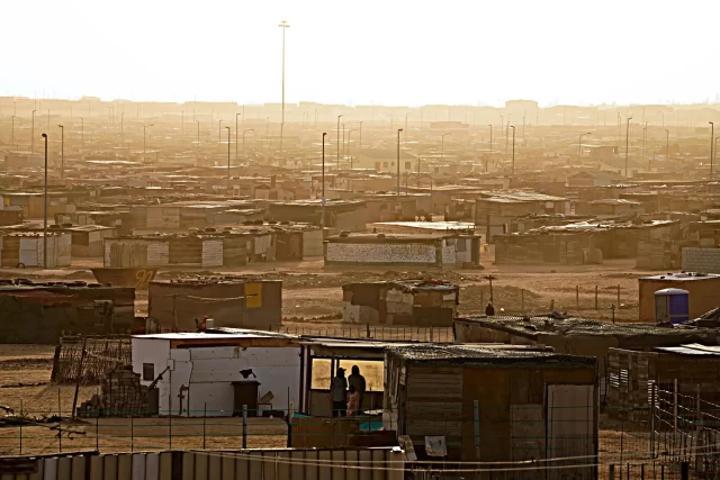
Africa-Press – Namibia. The Namibian government has been prompted to take action in response to a recent investigation by the CCIJ (Centre for Collaborative Investigative Journalism), shedding light on the nation’s severe sanitation crisis. The investigation uncovered the government’s failure to provide adequate access to safe toilets and hygiene facilities, compromising the basic human rights of over half the population. The report highlighted the risks faced by citizens resorting to open defecation, including safety concerns, health hazards, and environmental contamination. While the government acknowledges the crisis, scepticism remains regarding its ability to deliver effective solutions.
Challenges Exposed: The CCIJ investigation revealed the shocking conditions faced by Namibians, forced to seek privacy in the bush due to the lack of proper sanitation infrastructure. This dire situation exposes individuals to risks such as robbery, sexual assault, and wildlife attacks. Moreover, the seepage of human faeces into the ground poses a significant health risk, leading to deadly faecal-oral diseases and contaminating vital water sources used for drinking and cooking. The investigation underscored the urgent need for intervention.
Government Response and Fragmented Responsibilities: The Ministry of Agriculture, Water and Land Reform (MAWLR) responded to the CCIJ report, acknowledging the nation’s sanitation crisis. Dr. Elijah Ngurare, MAWLR’s Deputy Executive Director for Water Affairs, expressed concern over the situation and committed to inviting CCIJ reporters to the government’s next sanitation intervention project. However, the report highlighted the complexity of the issue, with multiple ministries, regional councils, and local authorities sharing responsibility for implementing sanitation projects. This fragmented approach hampers coordination, monitoring, and effective investment in the sector.
Government Plans and Skepticism: MAWLR outlined its plans to improve sanitation across the country, reiterating Namibia’s commitment to end open defecation and ensure sanitation for all by 2030, aligned with the United Nations’ Sustainable Development Goal Six (SDG6). The statement highlighted the Namibia Water Sector Support Program (NWSSP), a multi-billion-dollar initiative aimed at enhancing sanitation for over 1 million Namibians. However, advocates expressed scepticism regarding the government’s ability to translate these plans into tangible action on the ground. Stakeholder coordination and implementation were deemed ineffective, leading to a loss of faith among many communities.
Overcoming Challenges: Gotlieb Sheyavari Timo, the WASH coordinator for Development Workshop Namibia, emphasized the need for active implementation and stakeholder coordination. While he welcomed MAWLR’s response and targets for sanitation, he stressed the importance of delivering on promises made. Timo’s concerns are well-founded, as governmental discrepancies were evident during a keynote address by Minister Calle Schlettwein, who acknowledged the glaring challenges in the sanitation sector while promoting the provision of flush toilets as a standard, despite his ministry discouraging such an approach.
Conclusion: The CCIJ investigation has compelled the Namibian government to address the dire sanitation crisis plaguing the nation. While there are plans and commitments in place, scepticism remains due to poor coordination, ineffective implementation, and discrepancies within the government’s approach. Active action, stakeholder collaboration, and a comprehensive strategy encompassing diverse sanitation solutions are crucial to improving living conditions and preserving the health and dignity of Namibian citizens. – Namibia Daily News
Source: Namibia Daily News
For More News And Analysis About Namibia Follow Africa-Press