Africa-Press – Namibia. President Hage Geingob stated that the urgency of climate change has led to increased desertification and droughts, which severely affect agricultural output in countries, endangering food production and driving many households into poverty.
This is what the president said during the observation of the World Day to Combat Desertification and Drought.
The day is observed every year on June 17, with the aim of increasing public awareness of the existence of desertification and drought, while highlighting ways to prevent and recover from them.
This year, the day is being observed under the theme ‘Her Land. Her Rights,’ which is gender-focused and recognizes the rights of women to land and their significance in achieving the interconnected global goals of gender equality and land degradation neutrality by 2030.
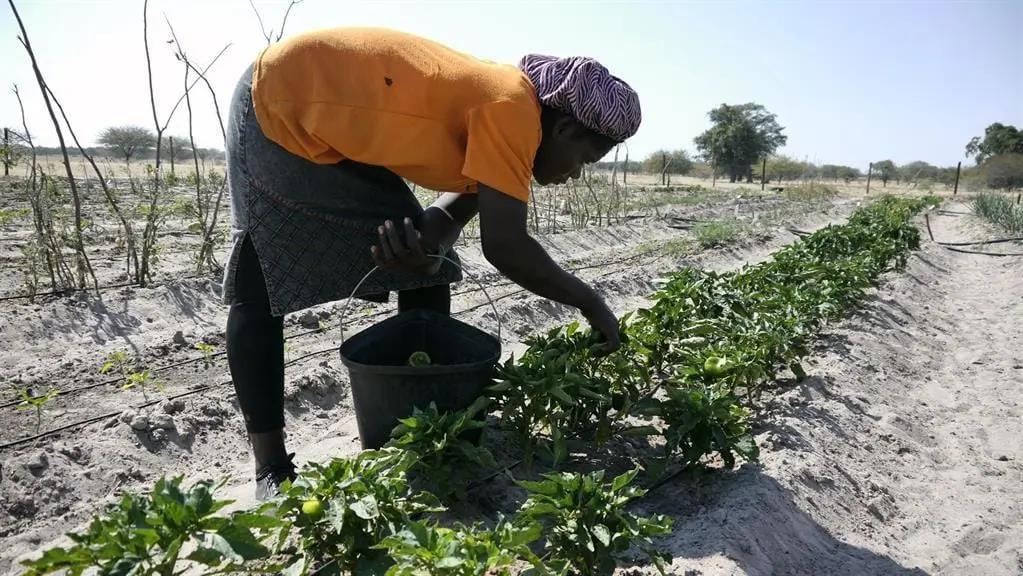
According to President Geingob, women in Namibia make up a significant percentage of the agricultural labor force, hold a vital stake in the health of the land, and are the major contributors to Namibia’s efforts to combat desertification and reverse land degradation.
He indicated that in their ongoing efforts to combat desertification, they must acknowledge the contributions of women and girls in sustainable land management.
“Droughts and desertification have had a negative impact on the agricultural sector, upon which many rural farming communities depend,” he said.
President Geingob also mentioned that Namibia is expecting drought this year due to poor rainfall in the previous rainy season and floods in some northern parts of the country.
To address the adverse effects of droughts, President Geingob added that the government has redirected resources to mitigate the impacts in affected communities.
At the policy level, Namibia has made progress in combating desertification and drought through the implementation of the National Drought Policy and Strategy, overseen by the National Drought Task Force, which has greatly benefited from the input of various organizations, including offices, ministries, and agencies (OMAs).
“As a nation, we collectively need to build resilience to drought by developing drought-resistant crops and livestock, as well as storing water for future use,” he said.
He added that they need to improve their land management practices, which include promoting activities such as tree planting, reducing deforestation, and conserving water.
President Geingob mentioned that the government is in the final phase of implementing the Third National Action Programme to Combat Desertification, Land Degradation, and Drought (2014–2024).
The program demonstrates their efforts in the fight against desertification, land degradation, and drought, and underscores the government’s commitment to integrating sustainable land management into national development priorities.
Source: Informanté
For More News And Analysis About Namibia Follow Africa-Press