
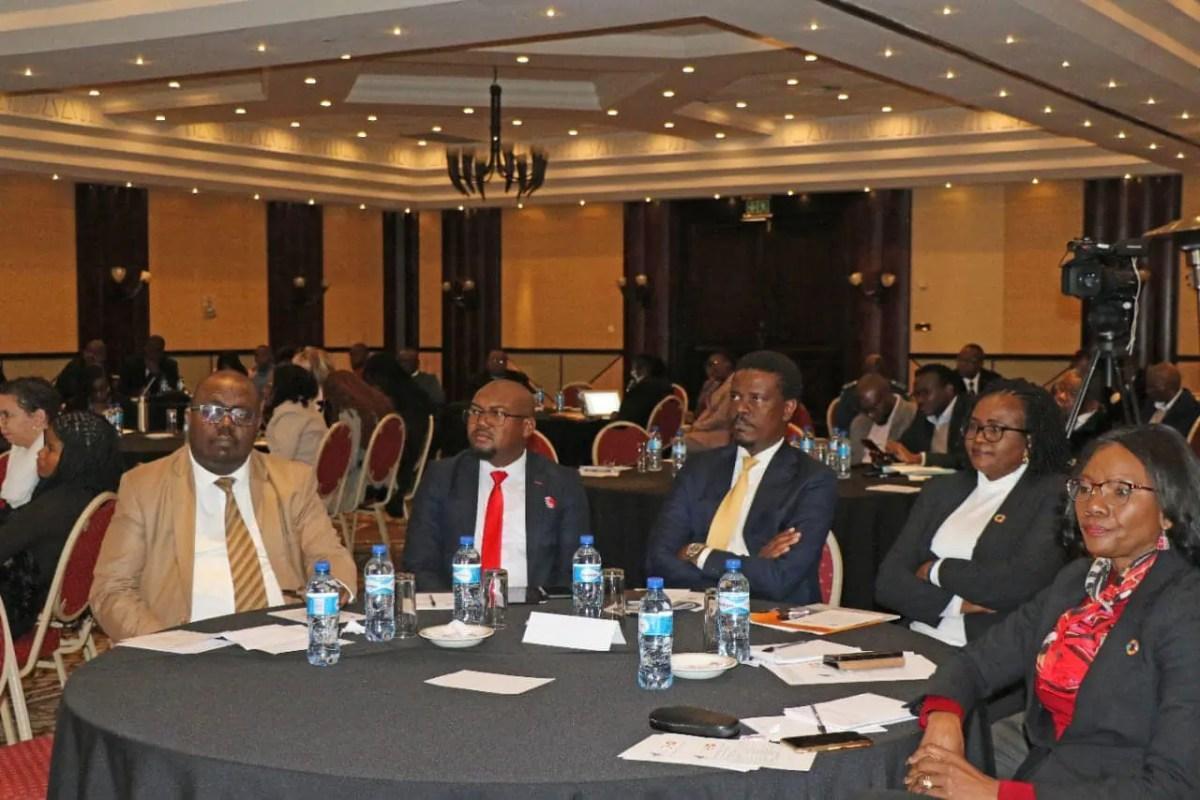
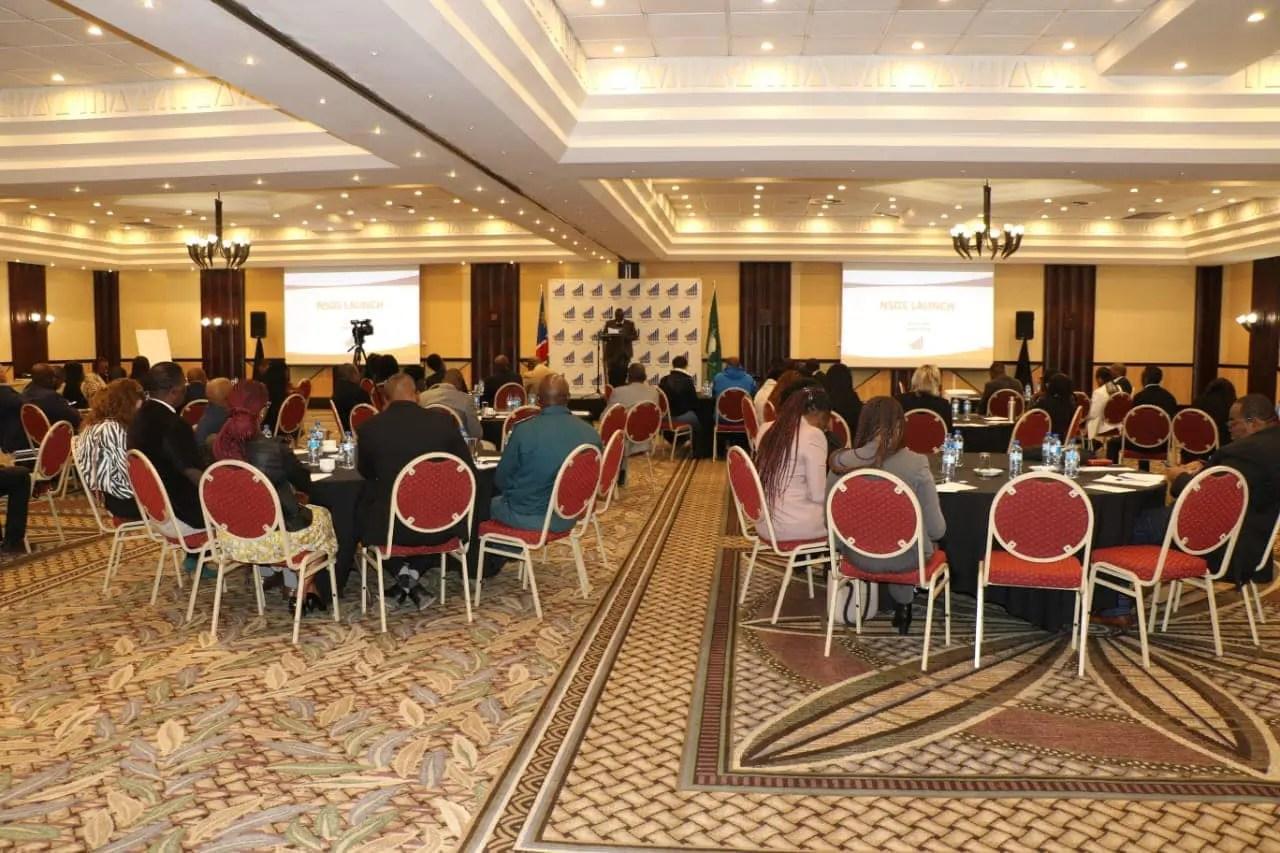
Africa-Press – Namibia. THE National Strategy for the Development of Statistics (NSDS), which provides a plan for developing the capacity to produce and disseminate statistics in all sectors of the economy, has been officially launched.
Speaking at the launch of the strategy, Obeth Kandjoze, the Director General of the National Planning Commission (NPC), revealed that the strategy was formulated over the last four years by the Namibia Statistics Agency (NSA), with the support of the Partnership for the Development of Statistics in the 21st Century (PARIS 21), the United Nations Development Programme (UNDP), the United Nations Population Fund (UNFPA), and the African Development Bank (AfDB).
Kandjoze explained that the strategy aims to ensure that the development of statistical capacity in the country can respond to the development agenda and policy-making.
“Statistics are a vital part of the development of any country, and Namibia is no exception. They are needed for evidence-based decision-making and policy-making in order to provide qualitative and quantitative measures of the development process, to allow the people of Namibia to judge for themselves the implementation of policies and reforms, and to support economic management and the delivery of services,” he explained.
Kandjoze further explained that the strategy will run from the 2023/2024 financial year to the 2026/2027 financial year. The strategy, he added, has been designed in line with the data requirements of the Fifth National Development Plan (NDP5) and other frameworks, including the African Union Agenda 2063 and the United Nations Agenda 2030.
The launch of the strategy was also attended by the UNFPA Representative, Gift Malunga, who reiterated Kandjoze’s sentiments, emphasizing that the NSDS will, among other things, assist with monitoring the implementation of National Development Plans, Harambee Prosperity Plans, Vision 2030, and the UN Sustainable Development Goals.
Malunga referred to the NSDS as “the tool we have all been waiting for,” emphasizing that the launch of the strategy is a significant milestone for Namibia, as the strategy will play a major role in the development of quality statistics that will be comparable with the rest of the world and fulfil all scientific statistical standards.
She explained that inter-agency access to data from administrative and official records is usually inconsistent in Namibia. Besides this, she added, quality data is not guaranteed as the data is not always compiled for statistical purposes. According to Malunga, the process of data sharing between government entities is currently not legally mandated, and the data is often not available for use by other agencies because officers are either unaware it even exists or are unable to access it.
“This is a hurdle that we must overcome. The NSDS has, therefore, come at an opportune time to help reduce bottlenecks and improve access,” Malunga said.


For More News And Analysis About Namibia Follow Africa-Press