Josef Sheehama
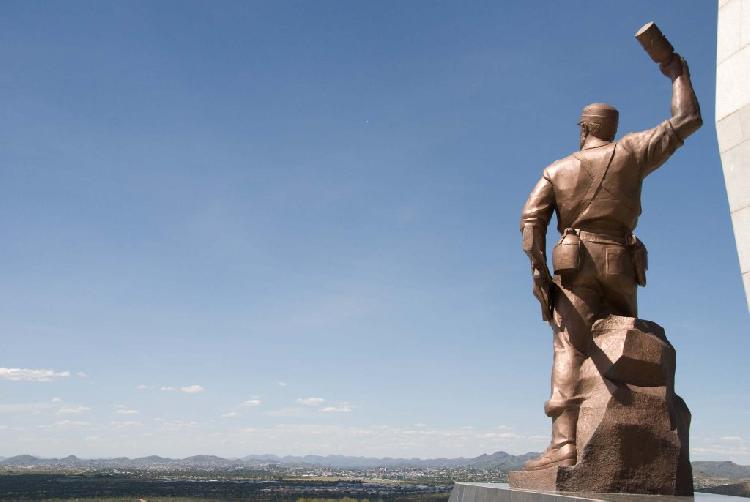
Africa-Press – Namibia. PRESIDENT HAGE GEINGOB this weekend referred to the economic struggle as he spoke at the Heroes Day celebrations at Mariental in the Hardap region.
Indeed Namibia is a great nation blessed with wonderful and patriotic citizens who fought hard to ensure we have a bright future.
It is our responsibility to acknowledge the wonderful work of these heroes and heroines who fought for Namibian independence, and who are working hard to unify the country.
The list of heroes and heroines in Namibia is endless, as each and every one of them has contributed in one way or another to serving Namibia. Namibia has its own history of successful entrepreneurs.
Entrepreneurs are catalysts for the expansion and promotion of economic activities in every sphere of the economic life of a country. Namibia in particular has taken great strides to support its entrepreneurs by introducing entrepreneurship development to its school curriculum.
The national development plans (NDPs) are very important in redefining the future of Namibia’ economic recovery and growth plan.
The implementation of the NDPs and Harambee prosperity plans (HPPs) are crucial.
Proper implementation of the NDPs would restructure the economy and could put the country onto a sustained growth path.
The plans focus on the critical capabilities needed to transform the economy and society. Namibia must find ways to urgently reduce alarming levels of youth unemployment and to provide young people with broader opportunities.
It is therefore of vital importance that Namibia restructures the economy so that its wealth is shared by all people to ensure that everybody enjoys a decent standard of living.
Furthermore, the struggle for economic emancipation would require the same sacrifice and selflessness the initial struggle for political self-determination demanded.
The government should urgently implement a reform that can boost Namibia’s growth in the short term, while also creating the conditions for better long-term sustainable growth.
These growth reforms should promote economic transformation, support labour-intensive growth, and create a globally competitive economy. The implementing flexible industrial and trade policy to promote competitiveness and facilitate long-term growth should continue to be a strategic policy focus area.
Manufacturing and agriculture are engines of economic growth, as industrial goods have a higher income elasticity of demand – especially in world markets.
Successful industrial and trade policy should be focused, flexible and premised on the notion of embedded autonomy. Focused industrial and trade policy requires the prioritisation and rationalisation of interventions, and flexibility comes from learning from experience.
Furthermore, the smart move by the City of Windhoek considering the introduction of a new land-use zoning policy to allow homeowners to run commercial activities at residential properties will lead to more business opportunities.
It is a good move by the City of Windhoek to reverse policy conundrums to prohibit home shops from operating in residential areas.
The provision of these services would be better fulfilled if the City of Windhoek were to be substantially depoliticised, or at least structured in a way that facilitates a multi-party system of governance and accountability.
Only the collective management committee achieves that.
Therefore, the City of Windhoek should stay focused and work diligently towards achieving its vision.
It is crucial to adequately design, monitor and evaluate policies to ensure resources are not wasted.
As industrial policy by definition discriminates against non-targeted sectors of the economy, these complications call for pragmatic ways of assessing policies in terms of trade-offs among various development goals.
The growth and development of the informal sector can be a panacea, and needs to be fully supported.
It is therefore safe to conclude that the informal sector has the only potential left to promote development in Namibia.
The informal sector could close the gap of unemployment and could address the problem of poverty.
Importantly, the government policies on the sector should focus on investing human capital in the informal sector, as this would encourage innovation and thus promote industrialisation and furthering economic growth.
Investing in the informal sector can be an important strategy to promote economic development.
Policies should therefore focus on formalising the informal sector, as this would address all the challenges faced by the sector.
The call for economic emancipation must be embraced by all of us to defuse the ticking time bomb.
Economic freedom and prosperity require a culture of learning and teaching.
They require an educational system directed to the full development of the human personality. The deepening moral degeneration of our country highlights the fact that our educational system must address both the spiritual and material aspects of the human personality.
Further to this‚ leaders must take action to rid the economy of legislative and regulatory constraints in key industries‚ such as suspending job-killing visa regulations. Namibia needs to empower small businesses and micro-enterprises to grow.
The government must take away the hurdles faced by these enterprises and cut the red tape that constrains them.
Our leaders must make them exempt from certain tax and labour regulations so that entrepreneurs become the heroes of employment‚ not the enemy of the government.
The government needs to look at expanding the benefits enjoyed by companies in special economic zones to the whole country to increase exports and to attract foreign investment.
To that end, transformation in Namibia heavily relies on citizen participation to build a more equitable society where opportunity is not defined by race, gender, class, politics or religion.
This means taking radical steps to build people’s capabilities through access to quality education and enabling access to employment and transforming ownership of the economy.
This can be achieved through active citizenship education by enabling all citizens to participate in economics and politics.
Therefore, economic emancipation can only be a reality if every Namibian embraces these megadeals in a positive manner.
* Josef Sheehama is a banking industry professional with 19 years of experience. He writes in his personal capacity.
Indeed Namibia is a great nation blessed with wonderful and patriotic citizens who fought hard to ensure we have a bright future.
It is our responsibility to acknowledge the wonderful work of these heroes and heroines who fought for Namibian independence, and who are working hard to unify the country.
The list of heroes and heroines in Namibia is endless, as each and every one of them has contributed in one way or another to serving Namibia. Namibia has its own history of successful entrepreneurs.
Entrepreneurs are catalysts for the expansion and promotion of economic activities in every sphere of the economic life of a country. Namibia in particular has taken great strides to support its entrepreneurs by introducing entrepreneurship development to its school curriculum.
The national development plans (NDPs) are very important in redefining the future of Namibia’ economic recovery and growth plan.
The implementation of the NDPs and Harambee prosperity plans (HPPs) are crucial.
Proper implementation of the NDPs would restructure the economy and could put the country onto a sustained growth path.
The plans focus on the critical capabilities needed to transform the economy and society. Namibia must find ways to urgently reduce alarming levels of youth unemployment and to provide young people with broader opportunities.
It is therefore of vital importance that Namibia restructures the economy so that its wealth is shared by all people to ensure that everybody enjoys a decent standard of living.
Furthermore, the struggle for economic emancipation would require the same sacrifice and selflessness the initial struggle for political self-determination demanded.
The government should urgently implement a reform that can boost Namibia’s growth in the short term, while also creating the conditions for better long-term sustainable growth.
These growth reforms should promote economic transformation, support labour-intensive growth, and create a globally competitive economy. The implementing flexible industrial and trade policy to promote competitiveness and facilitate long-term growth should continue to be a strategic policy focus area.
Manufacturing and agriculture are engines of economic growth, as industrial goods have a higher income elasticity of demand – especially in world markets.
Successful industrial and trade policy should be focused, flexible and premised on the notion of embedded autonomy. Focused industrial and trade policy requires the prioritisation and rationalisation of interventions, and flexibility comes from learning from experience.
Furthermore, the smart move by the City of Windhoek considering the introduction of a new land-use zoning policy to allow homeowners to run commercial activities at residential properties will lead to more business opportunities.
It is a good move by the City of Windhoek to reverse policy conundrums to prohibit home shops from operating in residential areas.
The provision of these services would be better fulfilled if the City of Windhoek were to be substantially depoliticised, or at least structured in a way that facilitates a multi-party system of governance and accountability.
Only the collective management committee achieves that.
Therefore, the City of Windhoek should stay focused and work diligently towards achieving its vision.
It is crucial to adequately design, monitor and evaluate policies to ensure resources are not wasted.
As industrial policy by definition discriminates against non-targeted sectors of the economy, these complications call for pragmatic ways of assessing policies in terms of trade-offs among various development goals.
The growth and development of the informal sector can be a panacea, and needs to be fully supported.
It is therefore safe to conclude that the informal sector has the only potential left to promote development in Namibia.
The informal sector could close the gap of unemployment and could address the problem of poverty.
Importantly, the government policies on the sector should focus on investing human capital in the informal sector, as this would encourage innovation and thus promote industrialisation and furthering economic growth.
Investing in the informal sector can be an important strategy to promote economic development.
Policies should therefore focus on formalising the informal sector, as this would address all the challenges faced by the sector.
The call for economic emancipation must be embraced by all of us to defuse the ticking time bomb.
Economic freedom and prosperity require a culture of learning and teaching.
They require an educational system directed to the full development of the human personality. The deepening moral degeneration of our country highlights the fact that our educational system must address both the spiritual and material aspects of the human personality.
Further to this‚ leaders must take action to rid the economy of legislative and regulatory constraints in key industries‚ such as suspending job-killing visa regulations. Namibia needs to empower small businesses and micro-enterprises to grow.
The government must take away the hurdles faced by these enterprises and cut the red tape that constrains them.
Our leaders must make them exempt from certain tax and labour regulations so that entrepreneurs become the heroes of employment‚ not the enemy of the government.
The government needs to look at expanding the benefits enjoyed by companies in special economic zones to the whole country to increase exports and to attract foreign investment.
To that end, transformation in Namibia heavily relies on citizen participation to build a more equitable society where opportunity is not defined by race, gender, class, politics or religion.
This means taking radical steps to build people’s capabilities through access to quality education and enabling access to employment and transforming ownership of the economy.
This can be achieved through active citizenship education by enabling all citizens to participate in economics and politics.
Therefore, economic emancipation can only be a reality if every Namibian embraces these megadeals in a positive manner.
* Josef Sheehama is a banking industry professional with 19 years of experience. He writes in his personal capacity.
For More News And Analysis About Namibia Follow Africa-Press