Africa-Press – Namibia. ALTHOUGH the gap between benefits paid out by pension funds and contributions made to them has narrowed, the industry is still stable and able to pay out benefits, the regulators say.
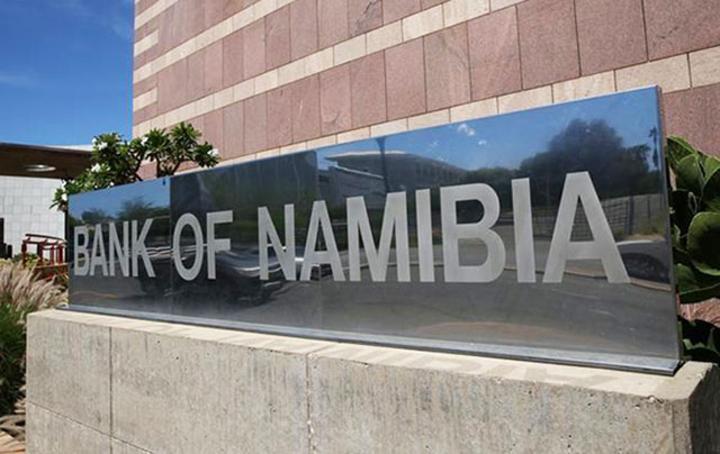
In a recent update by the macroprudential oversight committee of the Bank of Namibia, executives say while inflation and elevated national debt remain pressing matters, Namibia’s financial system remains stable, well capitalised and profitable.
The regulators do, however, not explain by what margin the payout and contribution gap has narrowed, nor which comparison item has increased.
At the end of 2021 benefits paid out by pension funds were significantly more than contributions made.
Payouts have reached N$3,1 billion for the last quarter of 2021, while contributions were lower at N$2,4 billion.
This has led to a lower quick ratio – where inflows were lower than outflows, causing pension funds to liquidate some of their investments to fill their payout gap.
At 77,9%, the ratio was just 4,4 percentage points above the prudential range of 73,5% .
Namfisa at the time indicated that the quick ratio reported for that quarter did not require correction by the retirement fund industry, and would be monitored to ensure the registrar recommends timely corrective actions.
The ratio has, however, since improved, and was at 100,7% at the end of the first quarter of 2022, with contributions at N$2,520 billion, and payouts at N$2,503 billion.
In his briefing, deputy governor of the Bank of Namibia Ebson Uanguta said the committee’s third meeting assessed vulnerabilities in the Namibian financial system and concluded there is no need for further macroprudential policy intervention at this stage.
He said despite elevated risks and vulnerabilities emanating from the global environment with the potential to spill over to the domestic economy, the committee is of the view that the domestic financial system remains adequately robust and resilient to withstand these strains.
“The analysis conducted revealed that both the banking and non-banking financial industries remained liquid, profitable and well capitalised. Going forward, the inflationary pressures emanating from geopolitical tensions require close monitoring,” he said.
Uanguta said both the banking and non-banking financial industries continued to perform adequately and remained profitable during the first half of 2022.
The banking industry expanded its balance sheet and remains liquid, profitable, and well capitalised, while the non-banking financial industry is reporting funding and solvency positions above prudential limits.
He said the sector’s assets maintained positive growth during the first half of 2022, mainly as assets continued to recover from the lows experienced in the second quarter of 2020 at the peak of the pandemic.
Asset quality, as measured by the non-performing loans ratio, plateaued towards the end of 2021, but remained above the crisis intervention threshold during the first half of 2022.
It was further reported that non-banking financial institutions also remained stable, profitable and sufficiently capitalised.
The life insurance subsector also remained solvent with sound reserves.
Similarly, the collective investment schemes sector remained stable with no notable withdrawals.
Amid the stability, Uanguta said the continued rise in inflation could impact the performance of the financial system, and as such the regulator will continue to monitor these developments and adopt appropriate measures.
“Potential financial vulnerability build-up would largely emanate from inflation and the impact on household disposable income and corporate profitability,” he said.
Of continued concern, Uanguta said, is the vulnerability build-up observed in the government debt level, which has increased above the domestic threshold and Southern African Development Community target.
Email: [email protected]
Twitter: @Lasarus_A
For More News And Analysis About Namibia Follow Africa-Press