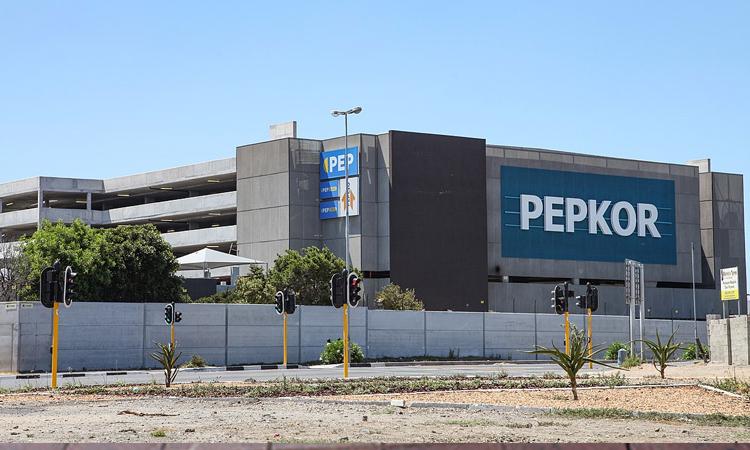
Africa-Press – Namibia. JOHANNESBURG Stock Exchange-listed Pepkor’s parcel delivery arm, Paxi, delivered 4,2 million parcels this year up to the end of September, with an average delivery of 11 500 parcels a day — and almost 21 500 parcels on its busiest day.
Chief operations officer Sean Cardinaal says Paxi is technically a tech product — “a cheap courier service that uses a combination of our extensive store network and our extensive distribution capability”.
The Paxi division has become a very valuable proposition for the group, with 2,8 million unique senders, of which 24 000 are small businesses.
“In fact, 10% of the parcels sent through Paxi were sent by small businesses. Paxi is currently available in 2 800 stores, but we have more than 5 800 stores in our network, so the opportunity to grow this offering across our entire network is an opportunity we will be looking at,” he says.
Pepkor, which is home to popular brands including Pep, Ackermans, Tekkie Town, The Building Company and Incredible, reported strong headline earnings growth of 20,1% for the year to end September, reflecting a consistent performance.
Stripping out the noise of the past three years, the group grew like-for-like sales by 4,2% on an annual basis.
Chief executive Pieter Erasmus says while customers have continued to face an increasingly inflationary environment, Pepkor has focused on leveraging its expansive physical capabilities to offer products and services at the lowest possible price.
“This has translated into 1,9 billion transactions across our more than 5 800 stores and 202 000 Flash traders. The group sold 12 million cellphones this year, which equates to seven out of every 10 cellphones sold in the country,” he says.
Revenue grew 5,3% to N$81,4 billion, but was negatively impacted by the flooding of the PEP distribution centre in April 2022. This was further exacerbated by stores that had been unable to trade as a result of the social unrest of July 2021.
A total of 122 stores were ready for reopening only during the course of this year, resulting in lost sales. Another 37 are currently unable to trade due to circumstances outside of the group’s control.
Taking these three factors into account, revenue growth in normalised terms would have been just over 8%.
A key indicator of Pepkor’s defensive business model is that it is highly cash generative with 92% of sales handled in cash, generating N$11,2 billion.
Within traditional retail, the clothing and general merchandise segment remains the largest contributor to group revenue (66%) and operating profit (82%).
Within the fintech division, the Flash business achieved 19,3% growth in operating profit.
Flash is a business-to-business offering in the informal market, with 202 000 informal traders on its books. One of its offerings is a digital currency, 1Voucher, which is gaining traction in the informal market.
The year under review saw 72% growth to N$6,7 billion cash digitised through the 1Voucher offering.
“It’s very encouraging to see 12% turnover growth per device, with more tier 1 traders with higher turnovers signing up. Overall, Flash injected another three million cellular customers into the Pepkor network,” says Cardinaal.
As mentioned earlier, the group is also making inroads in the cellular business. Eight million of the 11,7 million cellphones sold during the year were sold via Pep — of those, 55% were smartphones.
The Capfin micro-lending business saw a 24% year-on-year growth, with 270 000 new loans. Of these, 75% were six-month loans, with the balance being 12-month loans and 54% of these loans were activated within stores.
Cardinaal says the year under review saw significant revenue increase within Capfin, on the back of conservative credit extension.
In Brazil, Avenida (which Pepkor bought in February this year) saw a 37,5% growth in sales with five new stores, growing the store footprint to 135 stores. In South African rand terms, sales increased by 62,4%, supported by the strengthening of the Brazilian real. Based on the success of its value creation plan, 15 new stores are planned for the next financial year.
“As experienced by many businesses operating in South Africa, the persistently low growth environment presents challenges. Consumers are facing increasing inflationary pressure, which means limited disposable income. This is further exacerbated by the country’s infrastructure problems and the resulting unemployment levels and load-shedding.
“We anticipate that trading conditions will remain tough, but as a group we are committed to leveraging the opportunities to unlock value,” Erasmus concluded.
– Business Maverick
Chief operations officer Sean Cardinaal says Paxi is technically a tech product — “a cheap courier service that uses a combination of our extensive store network and our extensive distribution capability”.
The Paxi division has become a very valuable proposition for the group, with 2,8 million unique senders, of which 24 000 are small businesses.
“In fact, 10% of the parcels sent through Paxi were sent by small businesses. Paxi is currently available in 2 800 stores, but we have more than 5 800 stores in our network, so the opportunity to grow this offering across our entire network is an opportunity we will be looking at,” he says.
Pepkor, which is home to popular brands including Pep, Ackermans, Tekkie Town, The Building Company and Incredible, reported strong headline earnings growth of 20,1% for the year to end September, reflecting a consistent performance.
Stripping out the noise of the past three years, the group grew like-for-like sales by 4,2% on an annual basis.
Chief executive Pieter Erasmus says while customers have continued to face an increasingly inflationary environment, Pepkor has focused on leveraging its expansive physical capabilities to offer products and services at the lowest possible price.
“This has translated into 1,9 billion transactions across our more than 5 800 stores and 202 000 Flash traders. The group sold 12 million cellphones this year, which equates to seven out of every 10 cellphones sold in the country,” he says.
Revenue grew 5,3% to N$81,4 billion, but was negatively impacted by the flooding of the PEP distribution centre in April 2022. This was further exacerbated by stores that had been unable to trade as a result of the social unrest of July 2021.
A total of 122 stores were ready for reopening only during the course of this year, resulting in lost sales. Another 37 are currently unable to trade due to circumstances outside of the group’s control.
Taking these three factors into account, revenue growth in normalised terms would have been just over 8%.
A key indicator of Pepkor’s defensive business model is that it is highly cash generative with 92% of sales handled in cash, generating N$11,2 billion.
Within traditional retail, the clothing and general merchandise segment remains the largest contributor to group revenue (66%) and operating profit (82%).
Within the fintech division, the Flash business achieved 19,3% growth in operating profit.
Flash is a business-to-business offering in the informal market, with 202 000 informal traders on its books. One of its offerings is a digital currency, 1Voucher, which is gaining traction in the informal market.
The year under review saw 72% growth to N$6,7 billion cash digitised through the 1Voucher offering.
“It’s very encouraging to see 12% turnover growth per device, with more tier 1 traders with higher turnovers signing up. Overall, Flash injected another three million cellular customers into the Pepkor network,” says Cardinaal.
As mentioned earlier, the group is also making inroads in the cellular business. Eight million of the 11,7 million cellphones sold during the year were sold via Pep — of those, 55% were smartphones.
The Capfin micro-lending business saw a 24% year-on-year growth, with 270 000 new loans. Of these, 75% were six-month loans, with the balance being 12-month loans and 54% of these loans were activated within stores.
Cardinaal says the year under review saw significant revenue increase within Capfin, on the back of conservative credit extension.
In Brazil, Avenida (which Pepkor bought in February this year) saw a 37,5% growth in sales with five new stores, growing the store footprint to 135 stores. In South African rand terms, sales increased by 62,4%, supported by the strengthening of the Brazilian real. Based on the success of its value creation plan, 15 new stores are planned for the next financial year.
“As experienced by many businesses operating in South Africa, the persistently low growth environment presents challenges. Consumers are facing increasing inflationary pressure, which means limited disposable income. This is further exacerbated by the country’s infrastructure problems and the resulting unemployment levels and load-shedding.
“We anticipate that trading conditions will remain tough, but as a group we are committed to leveraging the opportunities to unlock value,” Erasmus concluded.
For More News And Analysis About Namibia Follow Africa-Press