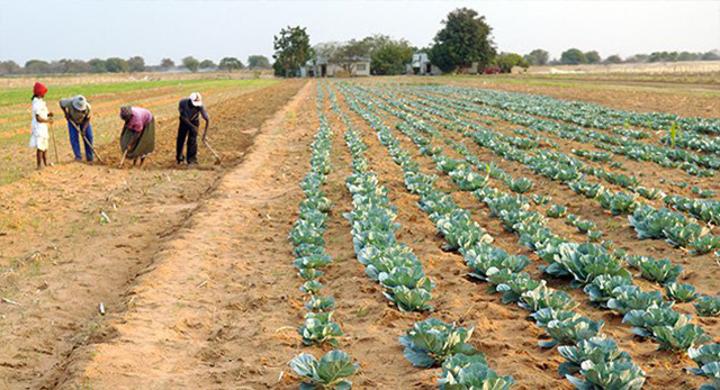
Africa-Press – Namibia. SMALLHOLDER farmers have immense potential to contribute to food security, sustainable development and socio-economic progress in Namibia.
This was said by the World Food Programme (WFP) Namibia country representative, George Fedha, after taking delegates from Zambia and the Democratic Republic of Congo (DRC) on a tour of 10 food systems and rural transformation projects in the Hardap, //Kharas, Omusati, Oshana and Oshikoto regions between 28 February and 4 March 2022.
“Investing in agriculture and food systems is one of the most effective ways to reduce hunger, transform rural economies and achieve Namibia’s key developmental targets as outlined in the United Nations Sustainable Development Goals, Namibia’s fifth National Development Plan, the Harambee Prosperity Plan II and Vision 2030.
“A critical success factor in this regard is close collaboration and engagement with stakeholders in the food systems sector, including grassroots communities, the government, the private sector, and other developing countries,” said Fedha.
He said in addition to supporting an increase in productivity, the WFP Namibia is bolstering access by farmers to markets, technology, capacity, skills and knowledge required to develop robust, diversified and resilient rural economies.
The tour follows the third AU-Nepad Rural Transformation forum held in Kinshasa, DRC, from 10 to 12 January 2022, which comprised WFP country directors and representatives of ministers of agriculture, education and of local government, or urban and rural development and WFP offices.
The goal of the visit was to share best practices and highlight Namibia’s innovative rural transformation efforts, particularly in terms of diversifying local economies beyond agriculture and boosting socio-economic outcomes.
The visit further helped to identify opportunities for collaboration and leveraging expertise and resources to accelerate progress toward zero hunger.
The delegation commended the model of rural transformation applied in the WFP-supported projects, which had distinctive benefits in job creation, food production, manufacturing, tailoring and other skills development initiatives while integrating culture, local resources and economic transformation.
The home-grown school feeding programme was also hailed as a key success intervention contributing substantially towards providing nutritious, balanced, and regular meals to school-children, thereby improving educational outcomes.
DRC minister of rural development François Rubota Masumbuko expressed satisfaction with his visit to Namibia and said discussions with WFP representatives on modelling Namibian food systems projects in the DRC will start soon.
Rural transformation is critical for sustainable economic development, as the majority of the Namibian population live in rural areas, particularly considering that around 70% of the population depends on agriculture as the main source of their livelihood.
For More News And Analysis About Namibia Follow Africa-Press