Africa-Press – Namibia. PRESIDENT Hage Geingob said that good governance tends to be punished as Namibia cannot easily obtain the much-needed soft loans or grants due to the country’s classification as a higher middle-income country.
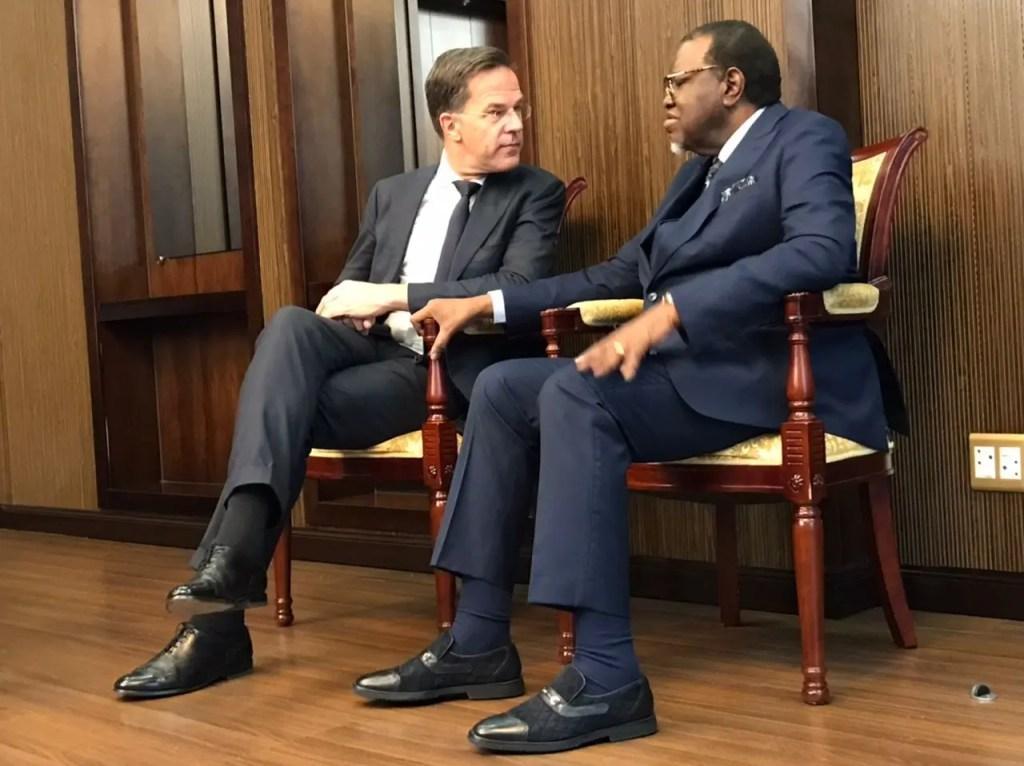
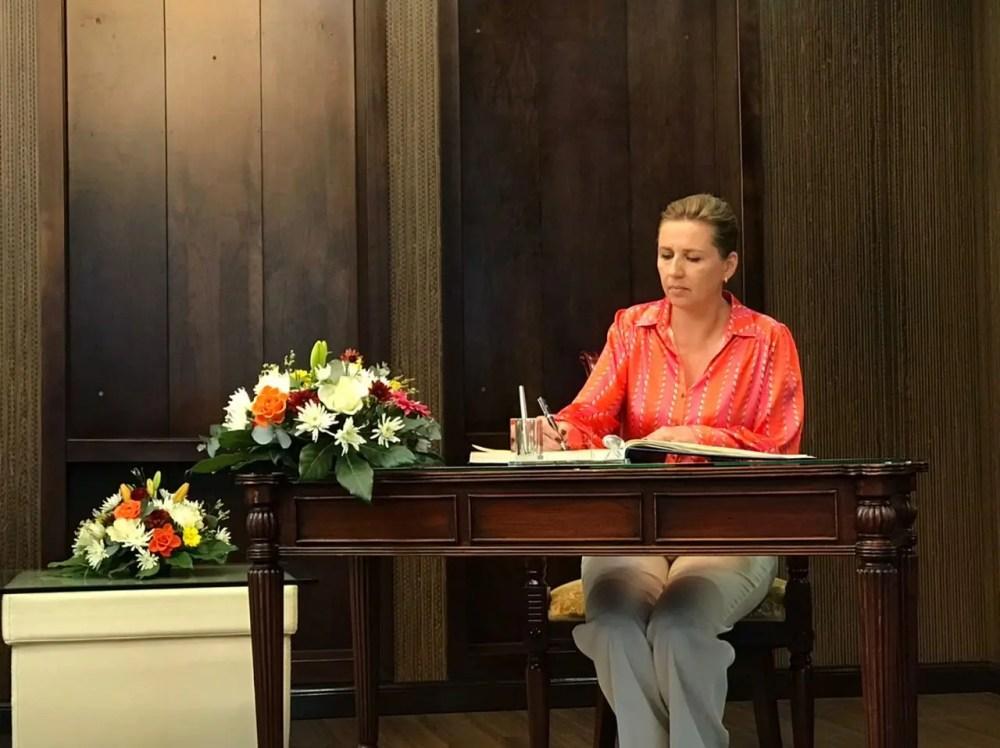
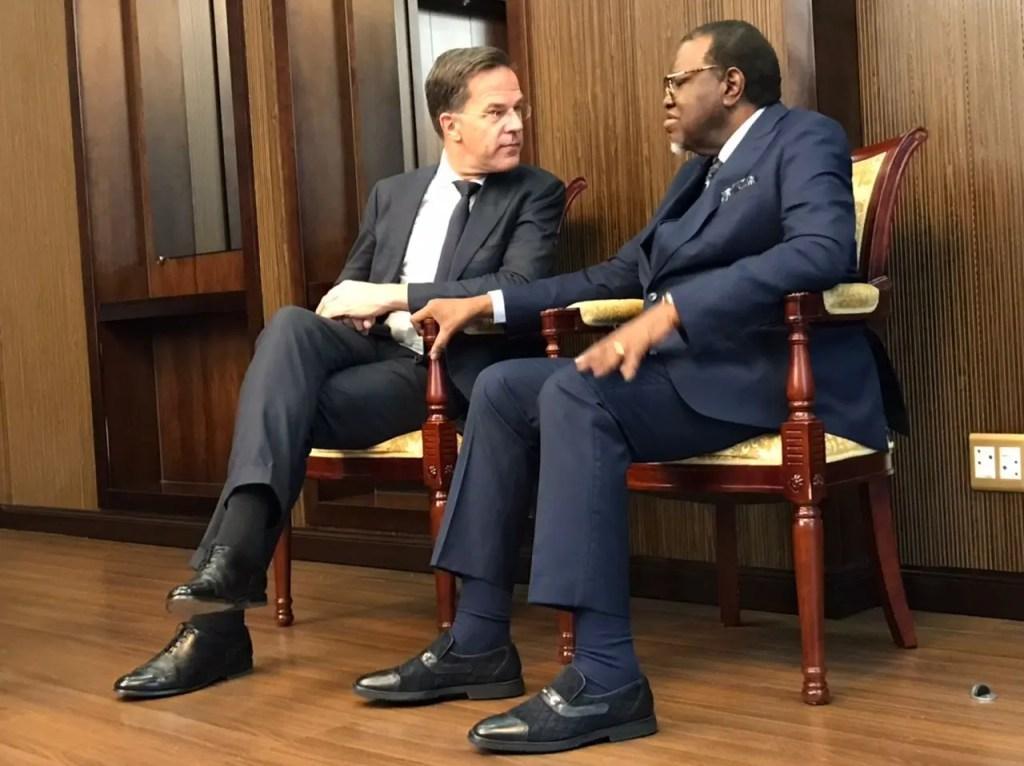
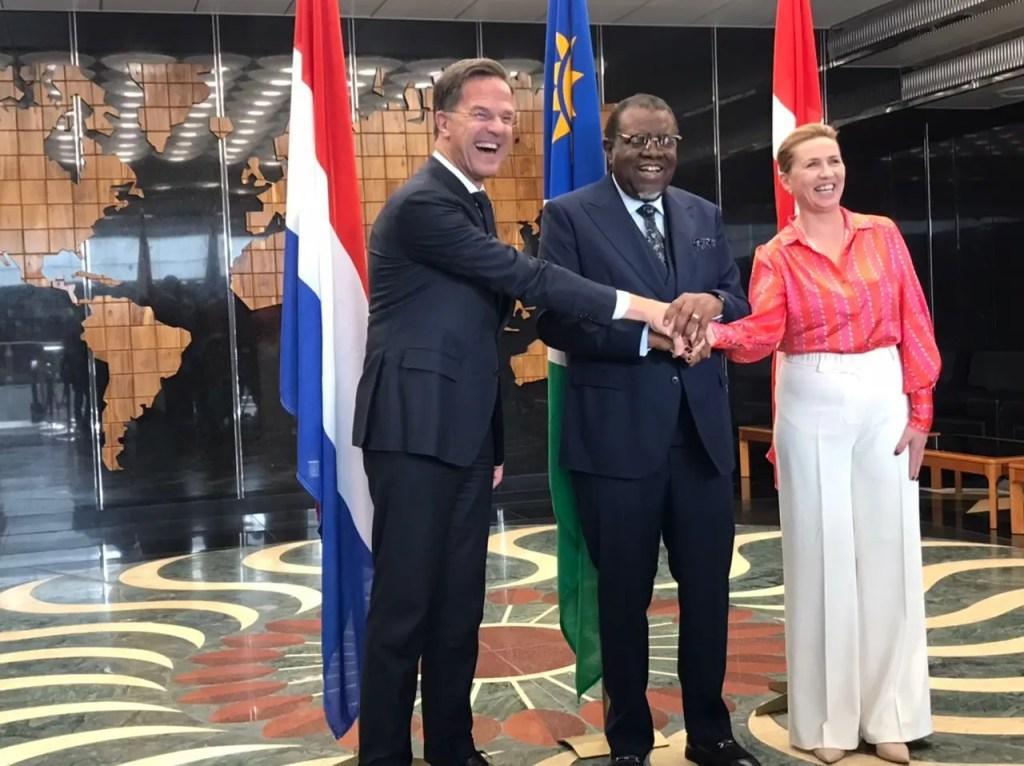
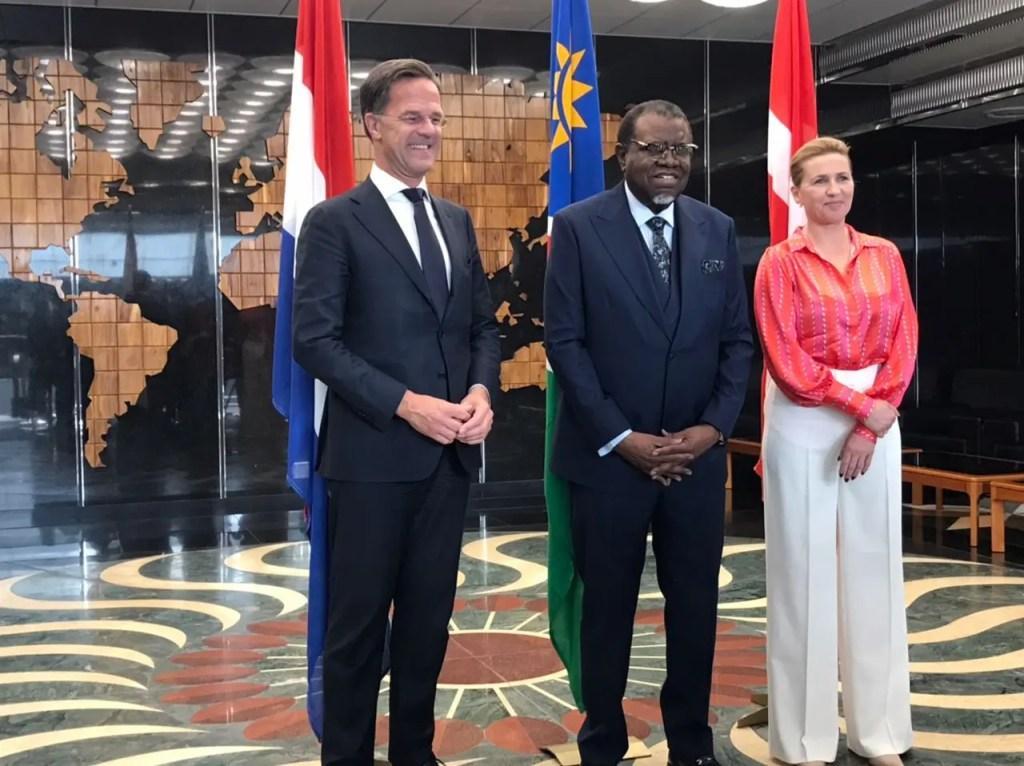
The president made these remarks during the Joint Working Visit with the Prime Minister of the Netherlands, Mark Rutte, and the Prime Minister of Denmark, Mette Frederikse. During the meeting, President Geingob explained that Namibia has a well-established governance architecture and democracy in place, but these alone cannot address the issues of hunger, lack of education, and unemployment.
“We cannot eat democracy. They need food and schools. They need education, the young people. The ones that graduate, they want jobs,” he said.
Resolving these problems, he explained, is further complicated by the fact that the country faces difficulties in accessing soft loans and grants due to its classification as a higher middle-income country. He clarified that this is because the country’s Gross Domestic Product (GDP) is divided by its small population, resulting in a high per capita income that inaccurately indicates the country’s wealth.
“Sometimes good governance is being punished. And we have good governance. So that’s why we are here. We have good governance, but people cannot eat good governance,” he said.
Prime Minister Frederikse agreed with President Geingob’s position on this matter.
“You said something very, very clever. Don’t punish good governance. I think we need a discussion about that because many of the multilateral and international institutions we have were formed and defined after the Second World War,” she remarked.
She explained that the world has rapidly changed since then, necessitating a discussion on the United Nations Security Council, the African perspective on multilateral institutions, the World Bank, and the International Monetary Fund (IMF).
Additionally, she noted that since the world is pursuing the green transition, it is crucial to discuss how to address the new situation where financing climate change must be a top priority, as most multinational institutions do not even have that concept in their foundation.
“We think it is necessary, in many different kind discussions, to have a stronger relationship between the African Union and the European Union. And we, all of us, are aware that we share the same history, but we share the same future,” the Danish prime minister added.
She further emphasized that this shared future includes addressing the significant issue of unemployment. Therefore, she said that the three countries’ green hydrogen ambitions should aim to create opportunities for young people who possess the necessary skills or the potential to develop them.
Source: Informanté
For More News And Analysis About Namibia Follow Africa-Press