Africa-Press – Namibia. CANDIDLY SPEAKING, the German government must come to terms with the fact that the atrocities committed by the Schutztruppe against the Ovaherero and Nama people from 1904-1908 is genocide.
They need to solemnly undertake strenuous efforts to find an amicable and durable solution to revive hope for the dangling negotiations.
Punitive measures brought to bear on Germany to pay reparations to the Jews in the Treaty of Versailles at the end of World War I is a stark reminder that peace entails an absence of war and no form of overt violence is a substitute for negotiations.
Former US secretary of state Dean Acheson said: “Negotiation in the classic diplomatic sense assumes parties more anxious to agree than to disagree.”
Despite formidable challenges in the current negotiations, they remain the only viable means to a meaningful settlement.
However, it appears Germany and Namibia have reached an impasse since initialling a ‘Joint Declaration’.
Namibia requested the German government to renegotiate the €1,1 billion euro set out in the ‘Joint Declaration. Disappointingly, no response has yet been received.
Germany’s last stated stance was that the matter is closed.
STICKING POINTS
While Germany appears to have hardened its position, affected communities in Namibia remain unmoved.
As a result, a neutral mediator may be the only viable alternative to rekindle hope of further negotiations.
Typically, a mediator determines differing views of the facts, and clarifies what each side considers a satisfactory resolution.
The mediator then moves back and forth between the teams with suggestions, proposals and counter-proposals aimed at a resolution that will satisfy each party’s core interests.
The mediator will want to know what terms are acceptable to each side.
Sticking points in the current negotiations have been identified as an unequivocal apology for the genocide; a review of the €1,1 billion euros; a review of the implementation of related programmes over 30 years, taking into account the amount offered and interest rate fluctuations; including Ovaherero and Nama descendants in the diaspora; a demand for restorative justice; reshaping the technical committee; and establishing a new committee with a new mandate as visualised in the Namibian parliamentary genocide resolution of 2006.
A demand by representatives of the affected communities for a tripartite and direct renegotiation on an equal footing with the Germans, with the Namibian government as a facilitator, is another bone of contention.
How do we overcome these roadblocks?
NAVIGATING THE PROCESS
In principle, if negotiators struggle to successfully close a deal, they should consider bringing in replacements.
A new team on one or both sides may be able to take a new look at the negotiation with fresh eyes, free of emotional baggage and personality clashes that could hold back the negotiations. Alternatively, negotiators may suggest enlisting the assistance of a trusted and neutral mediator, as mentioned earlier.
Each side would have to disclose its bottom line and what is most important to them. The mediator then tells the parties if a ‘zone of possible agreement’ (zopa) exists.
It is the range in negotiations in which two or more parties can possibly find common ground.
Parties can work towards a common goal and reach a potential agreement that incorporates at least some of the other’s ideas as well, referred to as the ‘bargaining range’.
The bottom line signifies the worst possible outcome one side might accept and a final barrier to negotiations proceeding.
When the terms parties are willing to agree on overlap, said to be a positive bargaining zone, an agreement is possible.
But when the terms don’t overlap, it is called a negative bargaining range. A deal can’t be reached unless parties are willing to adjust what they feel is acceptable.
Therefore, parties should determine their best alternative to a negotiated agreement before any discussions.
In summary, negotiations are complex. However, it doesn’t need to be an agonising experience.
Proper planning, preparation and a solid understanding of key negotiation concepts and strategies can help parties create maximum value in the agreement.
Our government must get fully engaged.
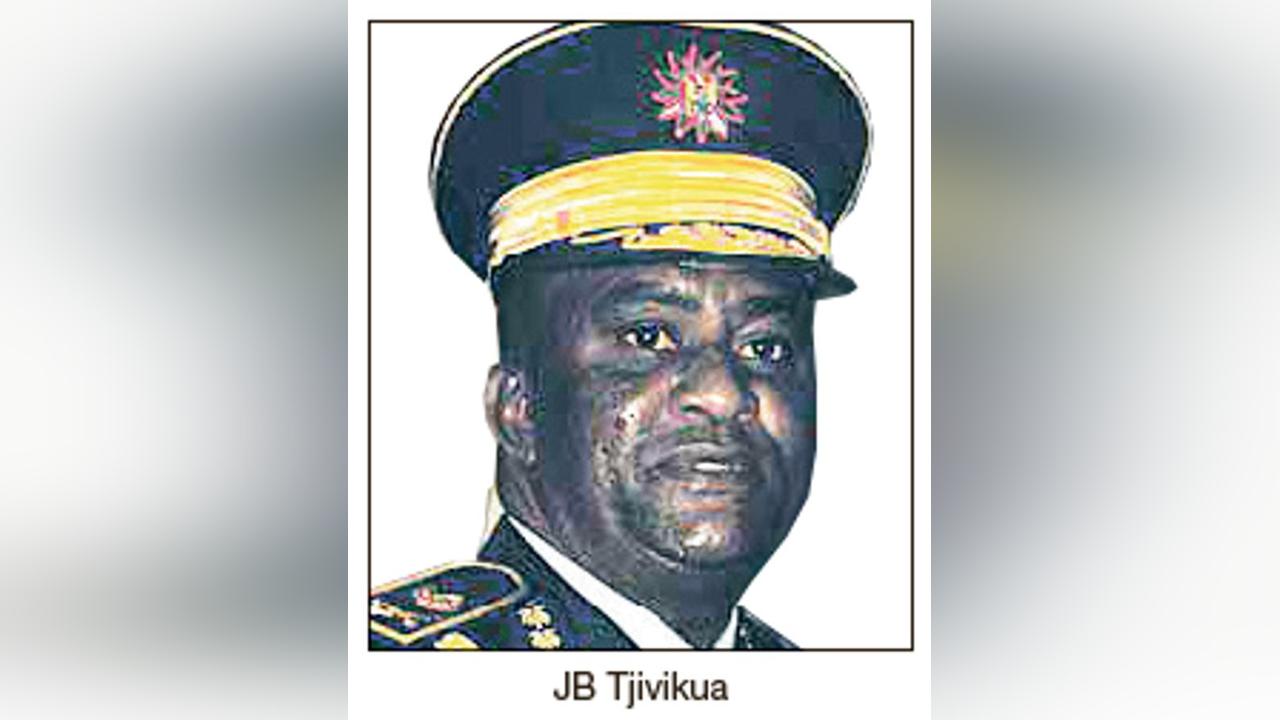
– Major general JB Tjivikua served in the Namibian Police for 27 years.
For More News And Analysis About Namibia Follow Africa-Press