Africa-Press – Namibia. JAPAN’S Fukushima Daiichi nuclear power plant accident in 2011 has triggered a sharp decline in the demand for nuclear energy, plunging prices to the bottom.
However, according to the latest issue of the Chamber of Mines’ e-newsletter, there has been a a rapid turn of fortunes in the price of uranium in the past few months.
Uranium is currently selling at US$50 per pound, which is a 170% increase in less than 36 months.
According to mining engineers Tomas Aipanda and Festus Nampweya, the uranium spot price increase has been driven by institutional investors, most notably Sprott Physical Uranium Trust (Sput).
“This is a closed-ended trust created to invest and hold substantially all of its assets in physical uranium. Sput, the world’s largest physical uranium fund, has been on a buying spree since it was launched in July 2021.
“It reportedly holds 50,4 million pounds of U3O8 as of March 2022, and this quantity has risen 13,8% from February’s figures,” they wrote in the newsletter.
The ongoing crisis between Russia and Ukraine has sparked widespread panic in Western Europe for security of energy supply.
Europe heavily relies on gas supply from Russia, and because of this market disruption, countries are now scrambling for alternative energy sources.
“Obvious capacity limitations on renewables, combined with mounting pressure to reduce carbon emissions from fossil fuels put nuclear energy back in the race for clean energy,” the engineers argued.
Namibia was the second-largest uranium producer in 2021, after Kazakhstan.
Russia and Ukraine follow closely and are also among the top-10 producers in the world.
According to the e-newsletter, rising instability in the Ukraine’s eastern region has exerted additional pressure on uranium supply, thereby accelerating a further price increase.
It adds that the World Nuclear Organisation reports that roughly 440 nuclear power reactors with a combined capacity of approximately 390 gigawatts are now operational in 32 nations, with an additional 55 reactors under development in 19 countries.
Namibia also holds the seventh-largest uranium resources.
Rössing Uranium and Swakop Uranium are the main producers in Namibia, and have accounted for 6 784 tonnes of uranium production in 2021.
According to Aipanda and Nampweya, a 200% increase in spot price means mining companies can gain increased revenue, and the government can collect increased royalties.
“Although the majority of mines hedge their uranium production through long-term supply contracts with fixed prices, there is a clear benefit and opportunity to sell surplus production at spot prices,” said the engineers.
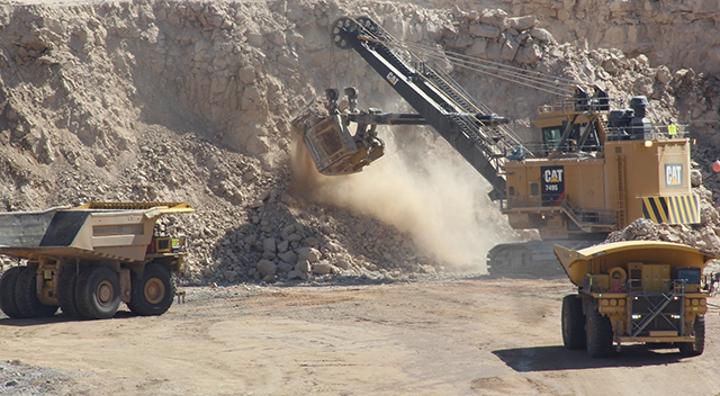
Namibia currently has two uranium mines that have closed or have been placed under care and maintenance due to the previously low uranium prices.
In addition, three other uranium projects have stopped exploration and feasibility studies due to the fall in uranium prices between 2011 and 2019.
The increased demand for uranium, coupled with rising uranium prices, would undoubtedly motivate mines that have been placed under care and maintenance to reopen.
These mines have the ability to close a 40-million-pound production gap between present mine output and utility demand.
They include Langer Heinrich Uranium, which was placed under care and maintenance in 2018 due to low uranium prices, Bannerman Resources, Norasa’s Valencia Mine, and Deep Yellow’s Reptile project.
Increased uranium spot prices will also drive additional investment in uranium exploration to identify additional production potential in the vast resource base in the Erongo region.
The above projects all have the potential to transform the entire Erongo region into an industrial hub.
In the same light, they have the potential to jump-start the economy and absorb at least 3 000 jobs within the next three years should the current uranium prices be maintained, the engineers stated.
They said with this much potential to be developed in the uranium subsector, it is imperative that policymakers take an intentional and proactive position to actively advocate uranium at all relevant local and international platforms.
For More News And Analysis About Namibia Follow Africa-Press