Africa-Press – Namibia. The Ministry of Education, Innovation, Youth, Sports, Arts and Culture (MEIYSAC) has provided a detailed update on its ambitious plan to construct sports facilities across all 14 regions of Namibia.
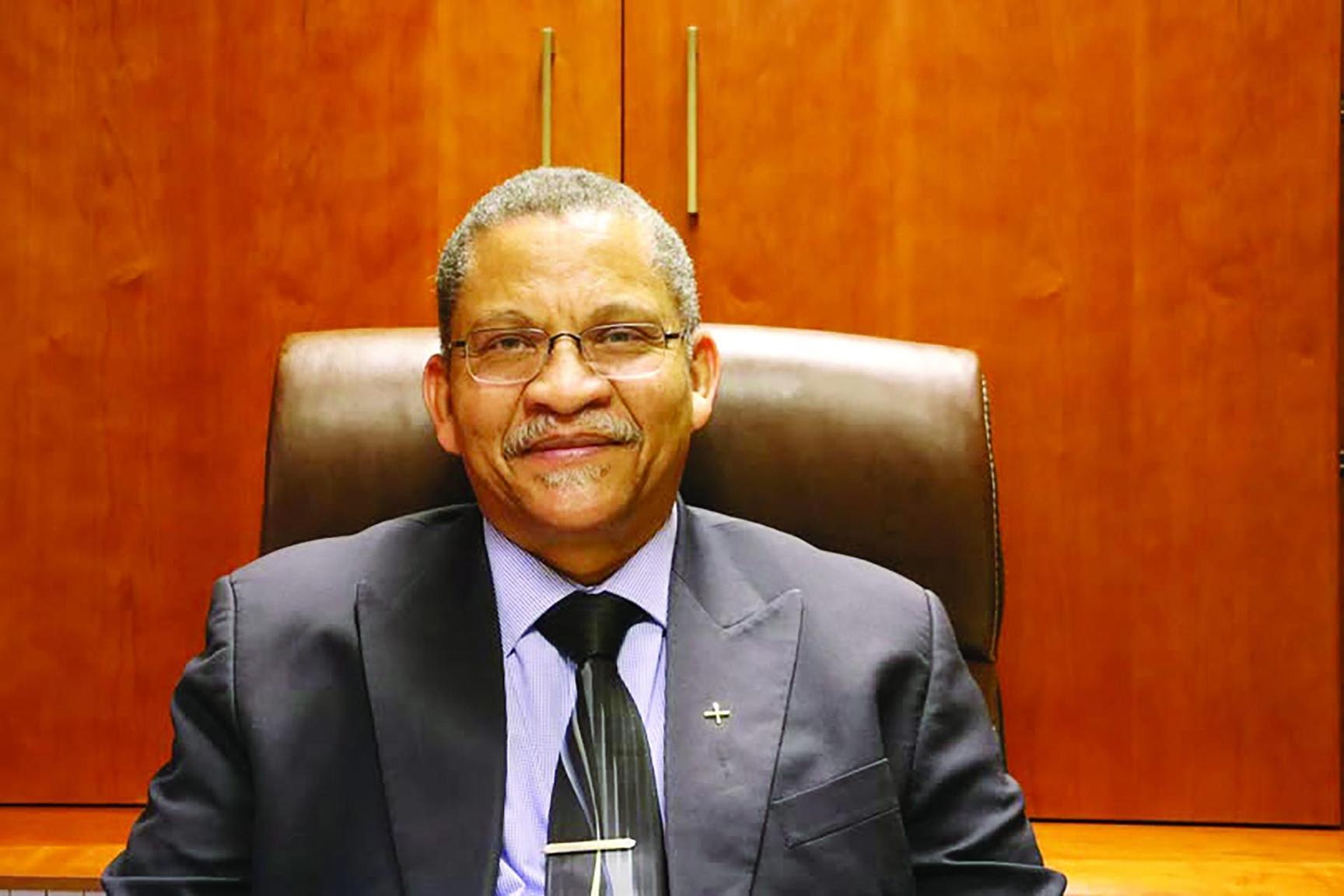
In an exclusive with this publication, executive director Gerard Norman Vries outlined progress, challenges, funding gaps and compliance measures in line with Confederation of African Football (CAF) regulations.
Last year, MEIYSAC allocated N$35 million to support the construction of stadiums and basic sports facilities nationwide.
Vries said a lead consultant has been appointed for the national stadium project, which has completed both the master plan and the feasibility study.
The feasibility report was submitted to the Ministry of Works and Transport in December 2024 and received partial approval in September 2025.
In January 2026, the ministry invited a CAF facility inspector to assess compliance with the 2022 CAF stadium regulations.
“Consultations are ongoing – and once they conclude, the lead consultant will revise the stadium designs to align fully with CAF recommendations,” Vries said.
The ministry has also finalised and developed comprehensive terms of reference to guide the construction of regional stadiums, ensuring alignment with the 2022 CAF Stadium Regulations.
For the 2025/2026 financial year, MEIYSAC plans to construct 28 basic sports facilities, with two in each region.
While all governors identified potential sites in 2025, three regions have recently indicated changes to their originally submitted locations.
The terms of reference for these basic facilities have been finalised, and the ministry is awaiting topographical surveys as part of the feasibility studies.
Addressing concerns about funding, Vries noted that the N$35 million allocation is insufficient to fully implement all facilities as envisaged in the Sector Medium-Term Implementation Plan and Namibia’s Sixth National Development Plan (NDP6) commitments.
“The ministry recognises the need to establish strategic partnerships and synergies with regional structures, the private sector and other stakeholders,” he said.
An agreement will be pursued to mobilise additional resources for sports infrastructure development.
The ministry is also prioritising regions based on need and readiness.
Some regions currently lack adequate sports facilities, while others have facilities that are either limited or not fit for purpose.
“The provision of sports infrastructure is a shared responsibility between the ministry and regional councils. The ministry is currently refining the implementation modalities, as the construction process has proven more complex than anticipated,” Vries said.
Final prioritisation will be guided by CAF compliance, site readiness and the outcomes of feasibility studies.
Regarding stadium specifications, each national stadium is planned to have a seating capacity of 10 000, in line with CAF Category 2 requirements. “This specification is guided by CAF regulations and cannot be arbitrarily adjusted. All designs must comply strictly with
the approved CAF standards,” Vries confirmed.
Procurement of consultants to conduct feasibility studies was initially expected to begin in May 2025, but progress was delayed following referrals to a review panel.
However, the ministry has cleared work to proceed in Katima Mulilo and Opuwo, with official site handovers completed and feasibility studies currently underway.
For More News And Analysis About Namibia Follow Africa-Press