Africa-Press – Namibia. THE water levels of the three combined dams in the central areas of Namibia currently stand at 36.1% of their full supply capacity, compared to 59.2% during the same period in the previous year. The decline in water capacity is attributed to lower rainfall received during the past rainy season.
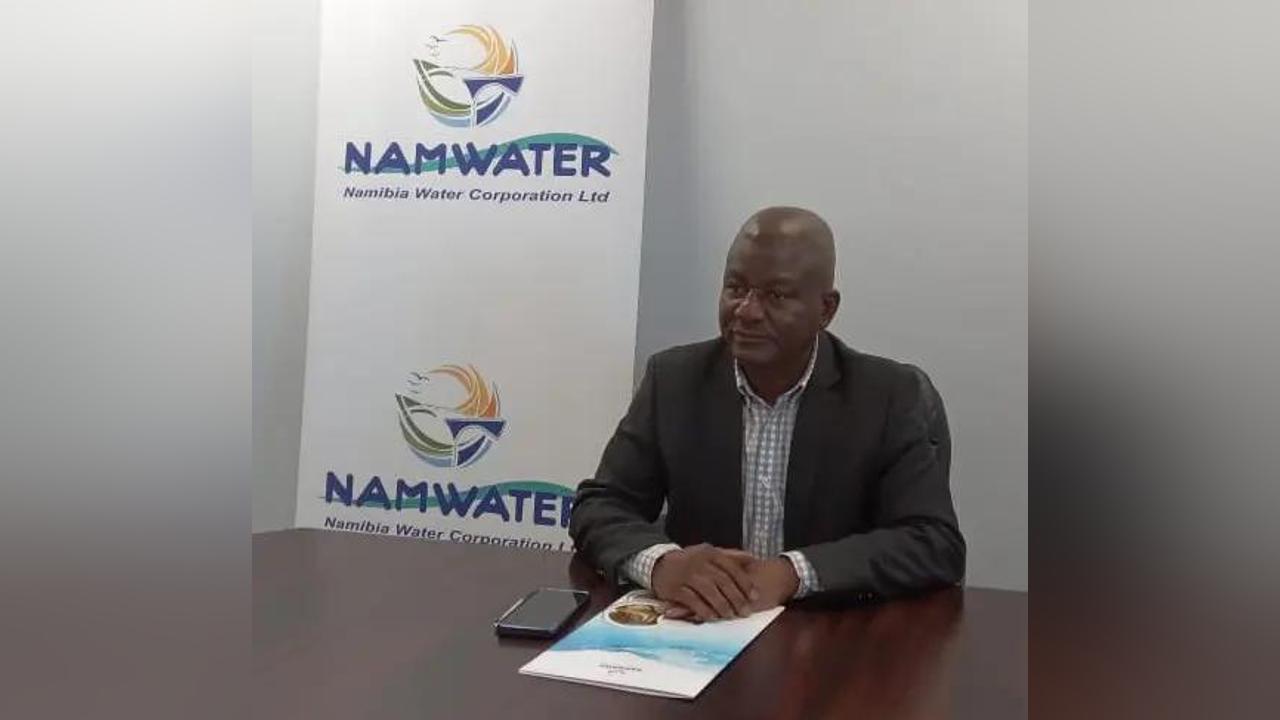
Speaking at a press briefing held at the NamWater head office, the Chief Executive Officer of NamWater, Abraham Nehemia, said that the water corporation is taking steps to rehabilitate old infrastructure as one of its interventions to increase water supply to the central areas and ensure security of supply.
“We need a proper strategic plan for infrastructure replacement. Most of the infrastructure was put in place in the 1960s and 1970s, with some additions in the past two decades. We have water at Swakopport, with the dam level at 70%, but it is a challenge to pump this water to Von Bach dam to increase water supply to the central areas,” said Nehemia.
He further explained that the existing pipelines cannot handle high water pressure, necessitating the replacement of the pipeline between Von Bach and Swakopport.
NamWater has an annual budget of N$500 to 700 million for infrastructure upgrades, but Nehemia emphasized that this task requires the involvement of multiple stakeholders.
“We are all stakeholders benefiting from the system, so we should ask ourselves how we can help each other. One of the challenges we face is the availability of financial resources. However, we have poultry factories and the Navachab mine among stakeholders that benefit from the system and can contribute to addressing these challenges. We don’t want to make it their responsibility, as it is our mandate, but they can provide assistance where possible,” Nehemia explained.
He also suggested that businesses can recover their investments in water infrastructure development through reduced tariff charges.
Regarding the security of water supply, Nehemia noted that the three dams in the central areas are not the sole source of water. The central areas also rely on Karst groundwater sources, the wastewater treatment plant, and boreholes of the City of Windhoek. With all these combined sources, the central areas will have a secure water supply until July 2024.
In terms of the coastal areas, Nehemia emphasized the urgent need for a desalination plant due to dwindling groundwater sources. He said that mining projects are awaiting water supply to commence operations, creating mounting pressure on the water resources.
Regarding possible water tariff increases, Nehemia clarified that NamWater has been covering the costs of rising fuel and electricity expenses, as well as the importation of water purification chemicals. However, the corporation has not received approval for a water tariff increase from the cabinet.
For More News And Analysis About Namibia Follow Africa-Press