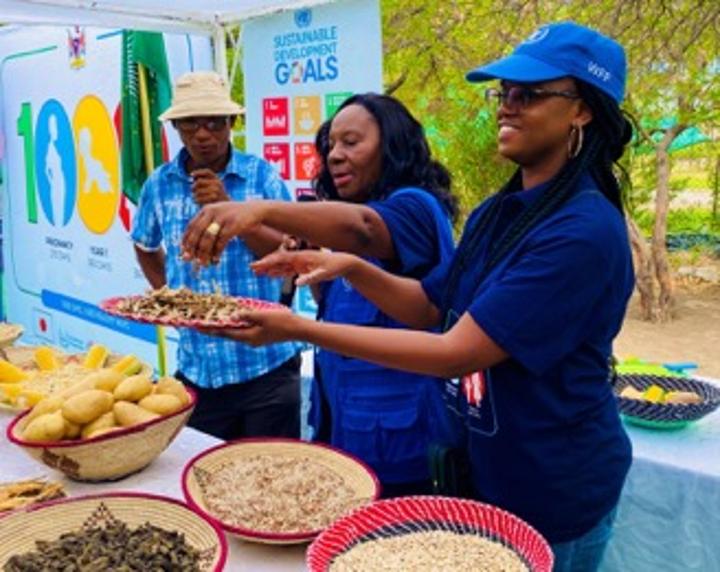
Africa-Press – Namibia. THE United Nations World Food Programme (WFP) and the World Health Organisation (WHO) launched the 1000 Days campaign to improve nutrition of children from conception to two years.
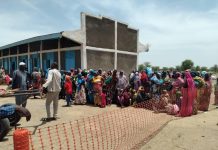
According to a statement issued by the WFP on Friday, the campaign was implemented at the Olukula Clinic in the Ohangwena region, on 19 October 2022, and at the Tsumkwe Clinic in Otjozondjupa region, on 2 November 2022.
WFP says the objectives of the campaign are to raise awareness of community health workers, pregnant and lactating women, and the public on the importance of the first 1000 days of a child’s life.
“It is also to promote healthy food choices through cooking demonstrations (complementary foods, healthy foods for pregnant and lactating women, and the family) as a cornerstone of healthy food consumption and behaviour change communication for communities,” said the WFP.
The campaign also demonstrates various food preservation methods and educates communities on nutrition, healthy eating, and basic nutrition which also encompasses teaching children, using puppets and soft food toys, about healthy foods and eating.
“The first 1 000 days from conception to two years of age are pivotal in determining a child’s destiny. Inadequate nutrition in this window period can lead to stunting, causing irreversible damage to children’s bodies and brains. WFP, through its human capital development approach, advocates adequate nutrition for pregnant and breastfeeding women as a protective mechanism against any complications,” said George Fedha, WFP country director and representative.
WHO supported the launch through a grant from the government of Japan.
“The importance of pregnant women to eat healthy balanced diverse meals to prevent malnutrition, attend antenatal care starting as early as possible, and need for iron and folic acid tablets during pregnancy to prevent anaemia and birth defects; as well as the practice of exclusive breastfeeding for the first six months of life,” said WHO representative Charles Sagoe-Moses.
The launch of the joint programme comes at a time when the Otjozondjupa region recorded the largest percentage of children with severe acute malnutrition (9,5%). Under this initiative, community health workers showed mothers how to use locally available foods to prepare a variety of nutritious meals.
“The Ministry of Health and Social Services Otjozondjupa Regional Health Directorate has been and is still enjoying a good friendship with the UN family, including the WFP, that has decided to reach out to our community in the Tsumkwe constituency.
“Other UN agencies, the likes of UNFPA, Unicef, WHO and many others, have been our pillars of support during the period of Covid-19, and still provide continuous support to strengthen health care services delivery to the region and country at large,” said Gebhardo Timotheus, the regional health director, in the Otjozondjupa region. – [email protected]
According to a statement issued by the WFP on Friday, the campaign was implemented at the Olukula Clinic in the Ohangwena region, on 19 October 2022, and at the Tsumkwe Clinic in Otjozondjupa region, on 2 November 2022.
WFP says the objectives of the campaign are to raise awareness of community health workers, pregnant and lactating women, and the public on the importance of the first 1000 days of a child’s life.
“It is also to promote healthy food choices through cooking demonstrations (complementary foods, healthy foods for pregnant and lactating women, and the family) as a cornerstone of healthy food consumption and behaviour change communication for communities,” said the WFP.
The campaign also demonstrates various food preservation methods and educates communities on nutrition, healthy eating, and basic nutrition which also encompasses teaching children, using puppets and soft food toys, about healthy foods and eating.
“The first 1 000 days from conception to two years of age are pivotal in determining a child’s destiny. Inadequate nutrition in this window period can lead to stunting, causing irreversible damage to children’s bodies and brains. WFP, through its human capital development approach, advocates adequate nutrition for pregnant and breastfeeding women as a protective mechanism against any complications,” said George Fedha, WFP country director and representative.
WHO supported the launch through a grant from the government of Japan.
“The importance of pregnant women to eat healthy balanced diverse meals to prevent malnutrition, attend antenatal care starting as early as possible, and need for iron and folic acid tablets during pregnancy to prevent anaemia and birth defects; as well as the practice of exclusive breastfeeding for the first six months of life,” said WHO representative Charles Sagoe-Moses.
The launch of the joint programme comes at a time when the Otjozondjupa region recorded the largest percentage of children with severe acute malnutrition (9,5%). Under this initiative, community health workers showed mothers how to use locally available foods to prepare a variety of nutritious meals.
“The Ministry of Health and Social Services Otjozondjupa Regional Health Directorate has been and is still enjoying a good friendship with the UN family, including the WFP, that has decided to reach out to our community in the Tsumkwe constituency.
“Other UN agencies, the likes of UNFPA, Unicef, WHO and many others, have been our pillars of support during the period of Covid-19, and still provide continuous support to strengthen health care services delivery to the region and country at large,” said Gebhardo Timotheus, the regional health director, in the Otjozondjupa region.
For More News And Analysis About Namibia Follow Africa-Press