Maxime KABORE
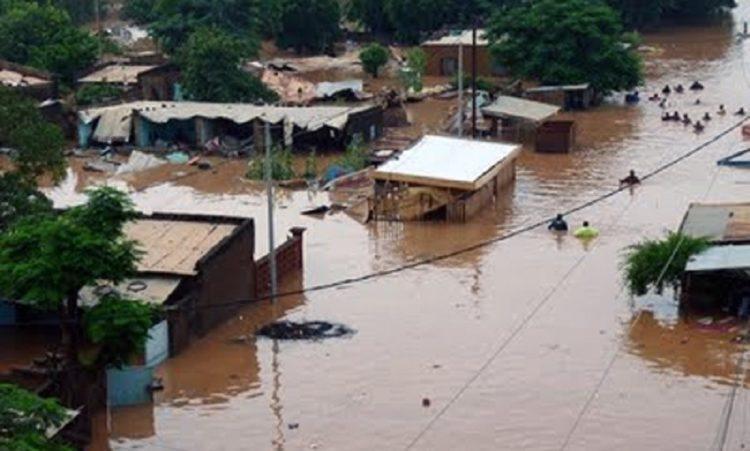
Africa-Press – Niger. D’ici la fin de la décennie en cours, le déficit de financement de la lutte contre le changement climatique en Afrique s’élèvera à 2500 milliards de dollars, selon la secrétaire exécutive adjointe et économiste en chef de la Commission économique des Nations unies pour l’Afrique (CEA), Hanan Morsy. Elle s’exprimait à l’occasion de la clôture de la réunion du comité d’experts en amont de la 56e Conférence africaine des ministres africains des Finances, de la Planification et du Développement économique (COM2024), tenue dans la station balnéaire zimbabwéenne de Victoria Falls du 28 février au 5 mars 2024.
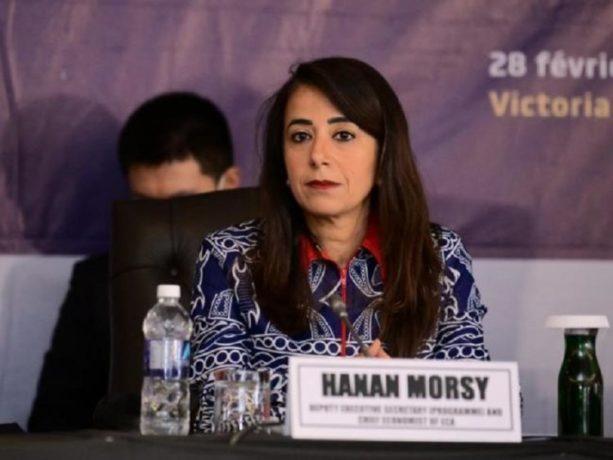
“ Although the continent’s emissions are low compared to other regions of the world, climate change costs African countries 5% of their gross domestic product (GDP) each year ,” said Hanan Morsy. According to her, Africa needs $2.8 trillion in investments in clean energy by the end of the current decade.
These needs contrast with the inability of African countries to mobilize sufficient funding to fight climate change. A situation which can be explained, according to the deputy executive secretary and chief economist of the United Nations Economic Commission for Africa, by their very high debt levels.
“ The situation is further aggravated by a heavy public debt of the countries of the continent which spend more on servicing their debt than on climate action, and pay interest 1.7 percentage points higher than the world average ”, specifies -she.
To overcome this financing gap in the fight against climate change, the Economic Commission for Africa (ECA) through its executive secretary, Claver Gatete, has called for a reform of the global financial architecture and an overhaul of the sovereign risk assessment system of African countries.

“ We need to address the problem of unfair risk perceptions and credit ratings that provide Africa with limited borrowing options ,” he said.
According to data from the United Nations Development Program (UNDP), African countries could save up to $74.5 billion if credit ratings were based on less subjective assessments.
Pour plus d’informations et d’analyses sur la Niger, suivez Africa-Press