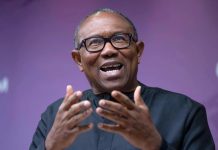

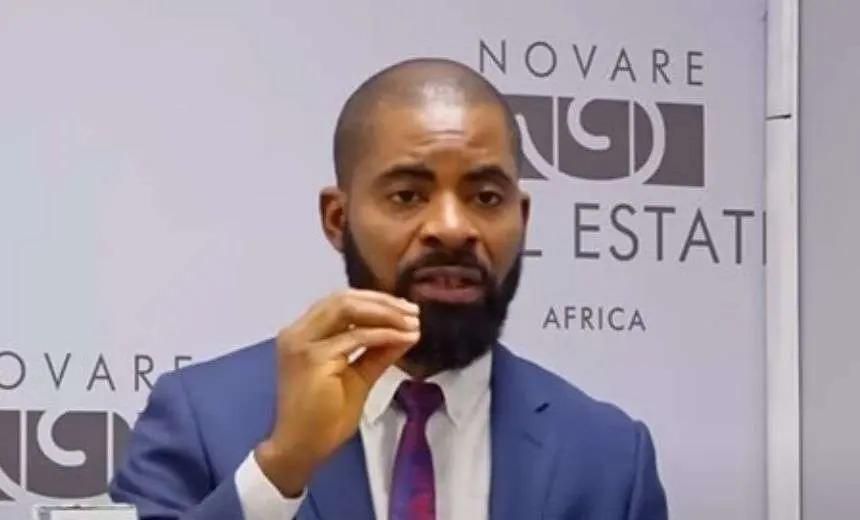
Africa-Press – Nigeria. Human rights activist and lawyer, Deji Adeyanju, has accused billionaire businessman Aliko Dangote of exerting undue influence over Nigeria’s Federal Government in a bid to consolidate monopoly power in the oil sector.
In a statement, Adeyanju alleged that Dangote played a key role in the dismissal of former Presidential aide Babagana Kyari after Kyari reportedly refused to meet all of Dangote’s demands following the launch of his Ibeju-Lekki refinery.
According to Adeyanju, other major regulators in the petroleum sector have since been removed under similar pressures.
Adeyanju emphasized that the controversy surrounding an alleged $5 million payment by the Chief Executive Officer of the Nigerian Midstream and Downstream Petroleum Regulatory Authority (NMDPRA), Farouk Ahmed, for his children’s education in Switzerland must not be allowed to fade.
“The $5 million allegation by Dangote must not die, even if an investigation ultimately shows that no such payment was made,” Adeyanju said.
“This is not a moral crusade; it is about market control and monopoly. The Federal Government must resist economic blackmail and uphold state authority.”
He reiterated that Nigeria’s petroleum sector is governed by the Petroleum Industry Act (PIA), which promotes a competitive free market and prevents monopolistic dominance.
Adeyanju criticized Dangote’s refinery pricing, noting that locally refined products in Ibeju-Lekki are more expensive than imported fuel from countries like Argentina and Brazil, and called into question allegations that some of his products may be sub-standard.
“No one compelled Dangote to build a single-line refinery of this scale. Investment carries risks, and Nigerians should not bear higher costs or reduced choices under the guise of patriotism,” he said.
Adeyanju urged all anti-corruption agencies to investigate the alleged $5 million expenditure and examine whether any bribes were offered or refused, stressing that a holistic probe is essential to protect the integrity of Nigeria’s petroleum sector.
For More News And Analysis About Nigeria Follow Africa-Press