
Africa-Press – Nigeria. In Nigeria, the official campaign for the presidential and House of Representatives elections, scheduled for January 16, 2027, has begun amid challenging political, economic, and security conditions facing the current government, which seeks to defend its reform record and persuade voters of the effectiveness of the policies it has implemented in recent years.
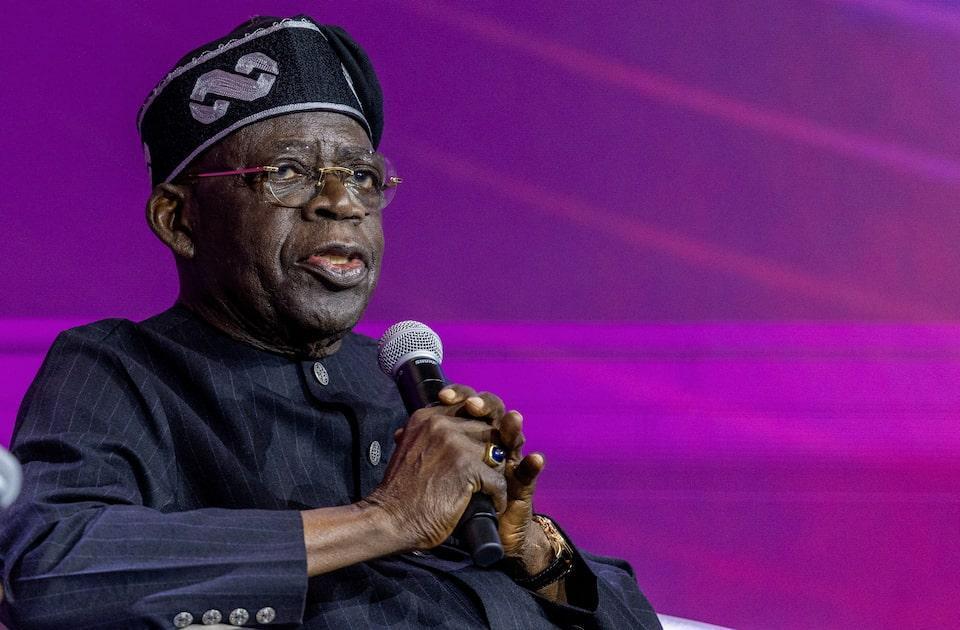
Nineteen candidates, including three women, are competing for the presidency, led by the current president, Bola Ahmed Tinubu, who is seeking re-election. Over the next five months, candidates will conduct extensive campaigns to attract more than 100 million voters spread across the country, which covers approximately 900,000 square kilometers.
According to Nigerian presidential election rules, a candidate must secure at least 25% of the votes in 24 out of the 36 states, in addition to achieving the required percentage at the national level. This makes the ability to build broad political and geographical alliances a crucial factor in determining the election outcome.
Two main issues are expected to dominate the election campaigns: the economic situation and insecurity, as widespread living pressures continue to affect large segments of the population, alongside a rise in armed attacks in several regions of the country.
According to a poll conducted by a local source, about 34% of Nigerians expressed significant concern regarding their economic and security situations, reflecting the challenges the government faces in convincing voters that the reforms it has adopted are beginning to yield results.
The ruling party, the All Progressives Congress (APC), led by Bola Ahmed Tinubu, intends to run the elections based on what it describes as “policies, reforms, and achievements of the previous administration.” The party’s communications director stated that the party will work to present what it considers the current administration’s achievements to voters during the campaign period.
Among the key policies implemented by Tinubu’s government are the removal of subsidies on gasoline and electricity, tax reforms, and the devaluation of the local currency, the naira. These measures have sparked widespread controversy, particularly due to their direct impact on living costs. However, the Nigerian president defended them as difficult but “necessary for the country.”
Conversely, the government points to improvements in several economic indicators, noting that the Nigerian economy grew by 4% in 2025, while the inflation rate decreased to 15.43%, compared to about 33% in 2024.
However, these economic indicators have not yet clearly reflected on the daily lives of many Nigerians, who still face rising food prices and living costs.
For example, preparing a dish of jollof rice, one of Nigeria’s most popular dishes, now costs a family of five about 18 euros, compared to about 15 euros a year ago. This amount is a significant burden for many families, especially as the minimum wage is around 44 euros.
In response to the current president, his main opponents have begun mobilizing early to rally their supporters and expand their electoral bases, attempting to capitalize on the discontent associated with economic and security conditions.
The African Democratic Congress (ADC), led by Atiku Abubakar, who finished second in the 2023 presidential elections, is campaigning to attract new members and strengthen its political presence, aiming to convert its online support into actual votes at the polls.
Peter Obi, who came in third during the 2023 elections, is running under the banner of the Nigerian Democratic Congress (NDC) and faces the challenge of expanding his electoral base beyond his traditional stronghold in the southeast of the country.
Obi is attempting to achieve this by leveraging the presence of his deputy, Rabiu Musa Kwankwaso, from the north of the country, to reach new voter segments and enhance his chances in various regions.
Meanwhile, the opposition coalition known as “G-100” continues to call for a single candidate to compete against the ruling party, in an effort to avoid a repeat of the fragmentation of opposition votes seen in the 2023 elections.
The coalition is set to hold a summit on August 31, with hopes that consultations will lead to an agreement on a unified candidate who can contest the elections against President Tinubu.
In addition to the economy, security remains one of the most pressing issues that will dominate the election campaigns, as attacks by armed groups, locally known as “bandits,” continue, alongside armed groups active in various regions of the country.
In northern Nigeria, the government is fighting on multiple fronts against armed groups, while the country has seen American interventions on its territory on two occasions, which Washington stated were part of efforts to combat terrorism.
The United States also raises the issue of what it describes as the persecution of Christians in Nigeria, a narrative contested by several researchers who point to the complexities of armed conflicts and the interplay of religious, ethnic, economic, and local factors.
Violence has also spread to areas previously considered relatively stable, as the southwest of the country recently experienced a mass kidnapping for the first time, which the military attributed to terrorists.
The implications of the security situation extend beyond the electoral agenda, as it can directly affect the electoral process itself. The lack of security guarantees in some areas may hinder the organization of electoral gatherings and may deter some voters from heading to polling stations due to security concerns.