
Africa-Press – Nigeria. Nigeria has summoned the acting High Commissioner of South Africa following a series of recent attacks on foreigners in the southern African nation.
Nigeria will officially express its “grave concern” in a meeting on Monday regarding the incidents in South Africa, stating that they could affect the existing relations between the two countries, according to a statement from the Ministry of Foreign Affairs.
The meeting will focus on recent marches organized by anti-immigration groups and “documented cases of mistreatment of Nigerian citizens and attacks on their businesses.”
Local media reported the deaths of at least two Nigerians and four Ethiopians in recent weeks, in addition to assaults on citizens from other African countries.
As the most industrialized nation in Africa, it has long attracted people from across the continent seeking work. The President of South Africa, Cyril Ramaphosa, condemned the attacks but urged foreigners to respect local laws.
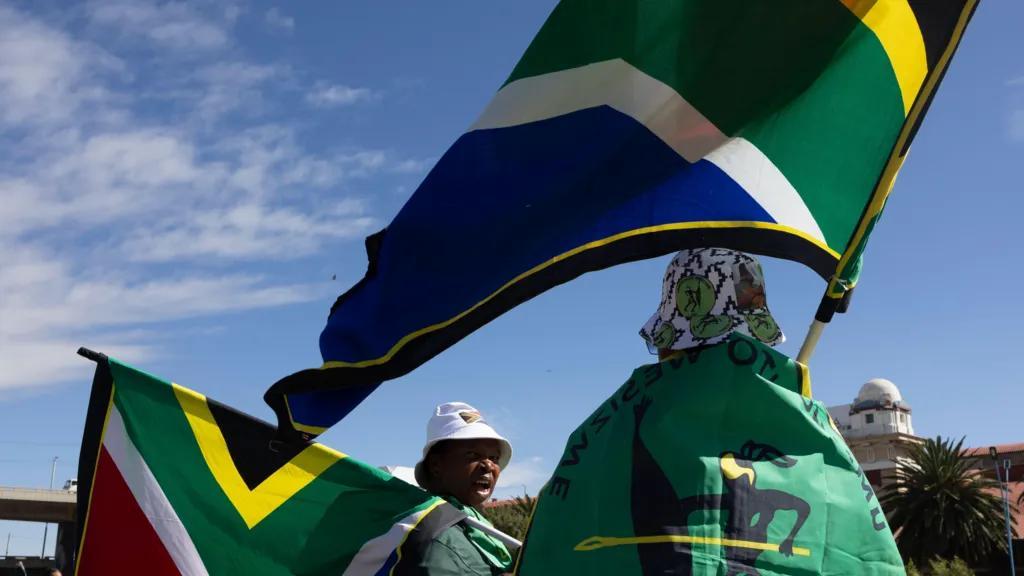
He used his speech on Freedom Day last week – which marks the anniversary of the first democratic elections in the country in 1994 – to remind South Africans of the support provided by other African nations in the struggle against apartheid.
However, some South Africans accuse foreigners of being in the country illegally, taking jobs from locals, and being linked to crime, particularly drug trafficking.
Anti-immigration groups have been stopping people outside hospitals and schools, demanding they show their identification documents. During a march organized by one of these groups in the capital Pretoria last week, foreign-owned businesses were urged to close in anticipation of any violence.
Last month, Ghana summoned the South African ambassador after a video surfaced showing a Ghanaian man demanding proof of his immigration status. Anti-immigrant sentiments escalated earlier this year following reports of the installation of the Nigerian community leader in the coastal city of Cogombos (formerly East London) to a traditional position translated as “king.” Some South Africans in the area viewed this as an attempt to seize political power.
The number of migrants in South Africa is approximately 2.4 million, just under 4% of the population, according to official statistics. However, it is believed that many more are present in the country informally.
Most come from neighboring countries such as Lesotho, Zimbabwe, and Mozambique, which have a history of providing migrant labor to their wealthier neighbor, with fewer coming from Nigeria.