
Africa-Press – Nigeria. The military court is set to begin the trial of those involved in the military coup plot uncovered last year in Nigeria, following the swearing-in of judges two weeks ago.
Approximately 36 officers are being tried for allegedly planning to overthrow the government, with Nigerian authorities stating that the scheme aimed to dismantle the constitutional order and end over a quarter-century of democratic rule in Africa’s most populous country.
Had the coup succeeded, it could have returned Nigeria to an era of military coups that dominated much of the country’s political history since gaining independence from Britain in 1960.
The Nigerian military has not officially identified the mastermind behind the coup plot, and the military court will be held behind closed doors at a military facility in the capital, Abuja, in accordance with standard procedures for sensitive military cases.
However, local media reports have indicated Colonel Mohammed Maaji as the officer who led the recruitment of those involved in the plot.
Court documents show that “Maaji and others” are accused of committing “terrorist acts” and conspiring to destabilize the state.
It is believed that Mohammed Maaji gained operational experience during his service in the Niger Delta, where he participated in extensive military operations against armed groups and oil theft networks.
At the time of his arrest, the 49-year-old officer was serving as the commander of the 19th battalion in the Nigerian army.
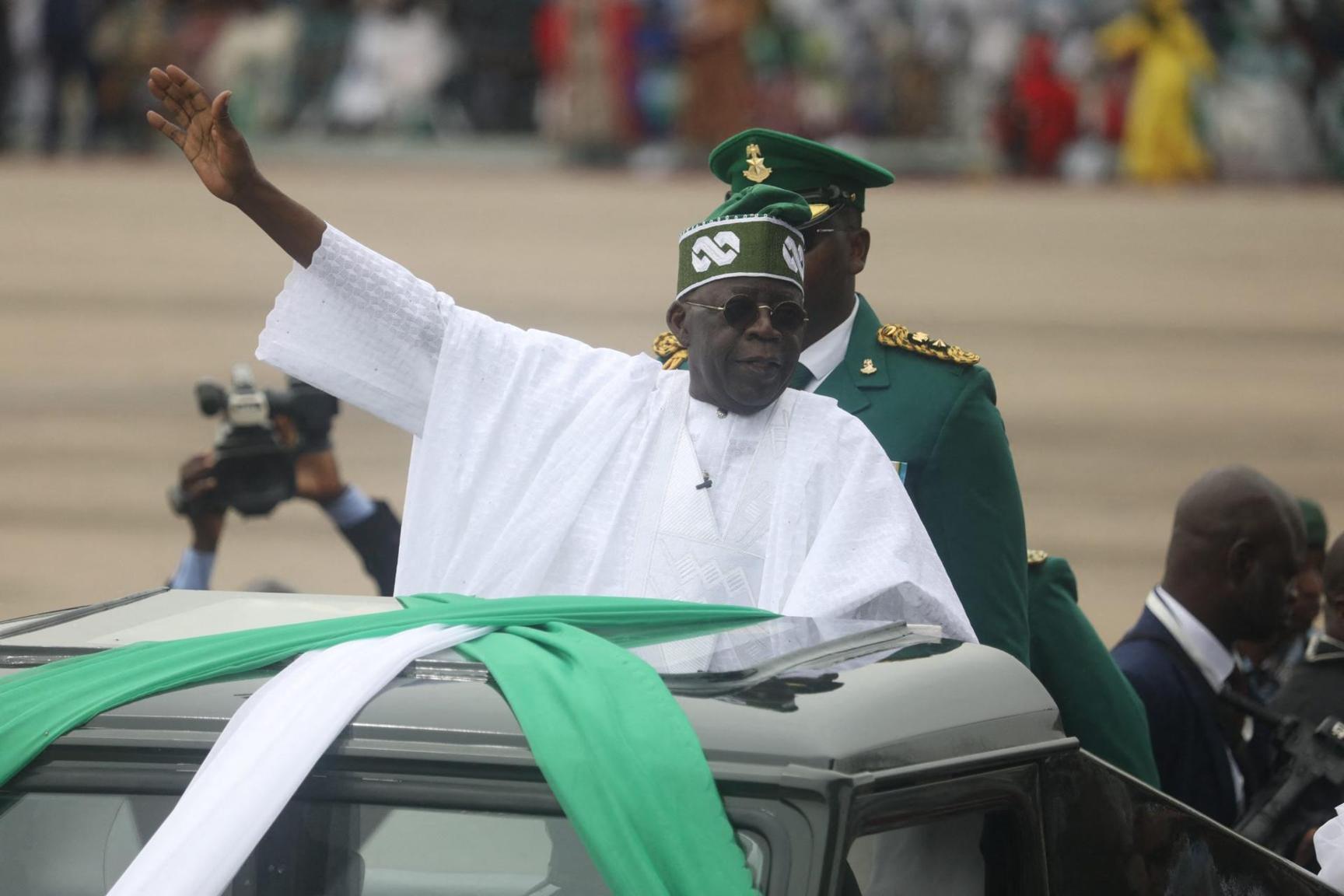
In a related development, six former security and civilian officials denied last month the charges against them for allegedly plotting to overthrow President Bola Tinubu’s government.
The Nigerian prosecution has filed 13 criminal charges against a retired general and others, including treason, terrorism, and financing terrorism, while a seventh suspect, a former state governor, remains at large.
The Attorney General and Minister of Justice, Lateef Fagbemi, requested a swift trial, citing the seriousness of the case. The judge responded favorably shortly after the defendants submitted their pleas.
Defense attorneys also requested the release of the defendants on bail, but the judge denied the oral request and ordered written formal applications, while the suspects remain in custody of the Nigerian State Security Service until the trial concludes.
In a separate trial concerning civilians accused of participating in the coup plan, court documents revealed the name of former Nigerian Minister of Petroleum Timipre Sylva as one of the individuals suspected of collaborating with the defendants.
The case also included the name of an electrician who worked inside the presidential palace.
According to a video interview with investigators presented before the federal high court, where the civilian trial is taking place, the electrician Zakari Omoru stated that he was recruited by the conspirators to facilitate access to the presidential palace.
He explained that Colonel Maaji met with him and began transferring large sums of money to him without explicitly informing him of their purpose.
All defendants have pleaded not guilty to the charges against them.
The civilian trial has been ongoing since last month, despite strict restrictions on journalists’ access to the proceedings, without any official explanation provided.
According to the indictment, the defendants “conspired among themselves to wage war against the state with the aim of intimidating” the president.
Court papers indicate that the coup conspiracy was led by Colonel Mohammed Hassan Maaji, who was arrested along with other accomplices.
Prosecutors also claim that the defendants were aware of the “treason” committed by Colonel Maaji but failed to inform the authorities.
The charges include concealing intelligence information, with prosecutors alleging that the defendants intended to destabilize the state and neglected to disclose information that could have helped prevent terrorism.
Allegations of money laundering form a significant part of the case, as the accusations point to the exchange of funds linked to financing terrorism.
A witness from the Nigerian army testified before the federal high court in Abuja last month that former minister Timipre Sylva had financial connections with those suspected of involvement in the coup plot.
According to the official news agency, the witness stated in court: “We traced financial pathways linking Mohammed Maaji, former governor Timipre Sylva, and some of the defendants present in court.”
He added: “We also observed financial transfers between some defendants and Colonel Maaji.”
The Nigerian Economic and Financial Crimes Commission announced last November that Sylva was placed on a wanted list following weeks after the failed coup attempt was revealed.
This came amid allegations of “conspiracy and illegally transferring approximately $14.8 million.”
However, the commission has not officially linked these allegations to the coup attempt.
The Nigerian government initially denied any coup plot before later retracting and announcing in January the commencement of military court proceedings for the case.
Last October, President Bola Tinubu conducted a wide-ranging overhaul within the military, replacing several senior army leaders, a move his aides described as aimed at enhancing security and addressing rising threats.
This case represents the most serious trial for treason since Tinubu took office in 2023, reflecting his efforts to bolster internal security amid economic pressures, insurgency in the north, and political tensions.
Under Nigerian law, treason is considered one of the gravest crimes, with a potential penalty of life imprisonment.
Nigeria has been under continuous civilian rule since 1999, while the armed forces consistently affirm their commitment to the constitution and loyalty to civilian authority, amid growing fears of a return of military coups to West Africa following a series of coups in the region in recent years.