Africa-Press – Rwanda. Debate over land rights is intensifying as the City of Kigali pushes landowners in prime areas to develop idle plots or risk losing ownership under a 2024 ministerial order.
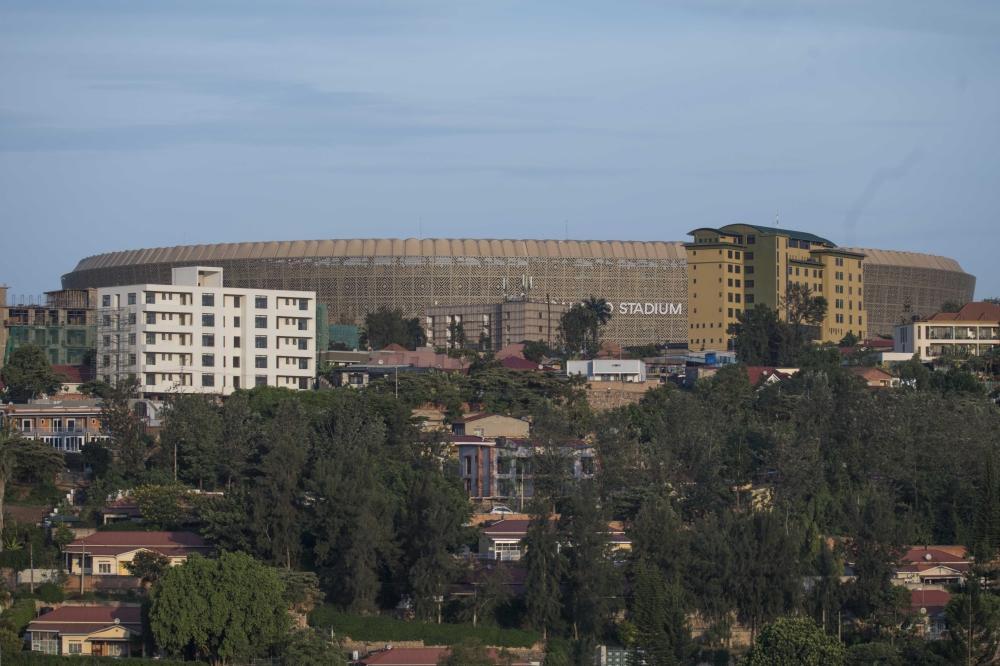
The directive targets high-value zones such as the Amahoro Stadium precinct, Nyabugogo, Nyarugenge and Kimihurura, where authorities say undeveloped land is slowing urban growth.
Landowners who fail to act may face temporary requisition or, in extreme cases, termination of ownership.
Officials say the policy is designed to curb speculation and accelerate development. Critics, however, warn it raises serious questions about property rights, due process and investor confidence.
Under the Ministerial Order on Temporary Land Requisition and Termination of Land Ownership Contracts, authorities must issue a written notice at least 90 days before requisition.
During that period, landowners can justify delays, submit a development plan within one year or sub-lease the land.
If non-compliance persists, the land may be temporarily requisitioned, particularly in cases involving large idle plots earmarked for agriculture, livestock or forestry.
Permanent termination is considered a last resort and can take up to five years, requiring extensive documentation, including proof of underutilisation, prior notices and formal valuation.
From termination to compensation
In areas surrounding Amahoro Stadium, landowners were initially instructed to develop their properties within two months or risk losing ownership. The City later shifted course, moving to value the land for compensation — signalling a transition from enforcement to acquisition.
For some landowners, however, the process has stalled.
Jean Ndayambaje, one of the affected owners, said authorities first asked him to submit a development plan, only to later value his property and promise compensation within three months — a timeline that has since elapsed without updates.
“We were told compensation would not take long, but months have passed and we haven’t heard anything,” he said.
Meanwhile, owners are barred from improving their properties, as any new development would not be factored into compensation, leaving land exposed to damage from weather and neglect.
“Compensation is better than termination,” Ndayambaje said. “But why should the City take my land simply because I don’t have the funds to develop it? That is not fair.”
City defends approach
City officials say the focus on prime areas is necessary to ensure efficient land use in the public interest.
According to City spokesperson Emma Claudine Ntirenganya, once land is identified for public development, owners are advised not to invest further to avoid losses and inflated compensation costs.
“Valuation and measurement happen before agreements are signed, and that process takes time because many properties must be assessed and budgets prepared,” she said.
Once funding is secured and agreements are signed, compensation should be processed within three months, she added.
Ntirenganya said ownership termination has so far affected only a small number of cases, mainly involving absentee owners whose land has remained idle for extended periods.
“In some cases, land is valued and offered to an investor who develops it and pays the owner,” she said. “But this is often less favourable than a direct sale, which allows negotiation.”
Legal and rights concerns
Human rights groups say the implementation of the policy must strictly align with constitutional protections.
Evariste Murwanashyaka, Head of Programmes at CLADHO, said Rwanda’s Constitution guarantees the right to private property and allows limitations only in the public interest and in accordance with the law.
“The Constitution is the supreme law. Any ministerial order must conform to it,” he said. “Idle land alone is not sufficient justification unless due process and constitutional safeguards are respected.”
Murwanashyaka warned that failure to align implementation with constitutional provisions could expose the policy to legal challenges.
Transparency at the heart of the debate
Annie Kairaba, founder of the Rwanda Initiative for Sustainable Development (RISD), said much of the controversy stems from transparency concerns rather than gaps in the legal framework.
“Rwanda’s land tenure system is clearly defined. Land is held under leasehold arrangements, with the State as ultimate owner,” she said. “The law is clear that land should not remain redundant.”
However, she said public dissatisfaction arises when repossession appears unjustified or opaque.
“What people complain about is being falsely or unfairly repossessed,” Kairaba said.
She described Rwanda’s land laws as among the most progressive in Africa but said weak implementation and limited transparency continue to undermine public trust.
“As the government seeks to fast-track urban development, the challenge remains ensuring that land reforms are applied fairly, transparently and in line with constitutional protections,” she said.
For More News And Analysis About Rwanda Follow Africa-Press