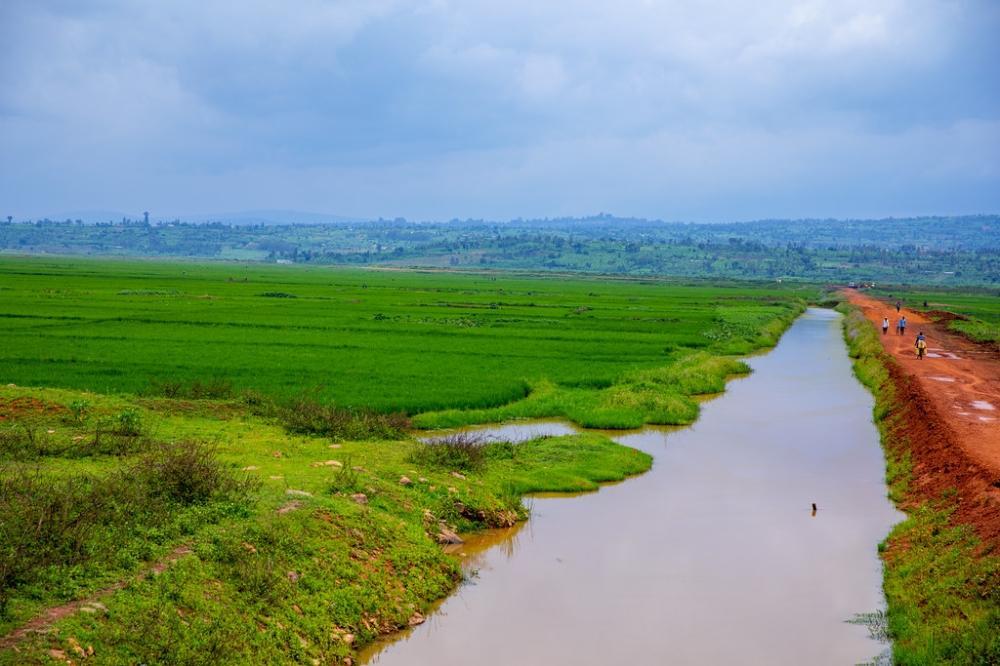
Africa-Press – Rwanda. The Minister of Environment earlier this week announced to parliament that there were large tracts of land in the country belonging to government that still lie idle.
For a country as land-scarce and forward-looking as Rwanda, the revelation that more than 120,000 hectares of state-owned land are lying idle countrywide should not sit comfortably with any of us.
Land in Rwanda is simply means livelihood, investment, shelter, or even dignity. For decades, the Government of Rwanda has demonstrated that disciplined planning and optimal use of resources are central to national transformation. From agricultural reforms to integrated community settlements, the message has been consistent: every resource must work for the country.
It is therefore encouraging that authorities are now looking at how to put this idle land to productive use. But good intentions alone will not suffice. What is required is a clear, well thought-out national framework that defines what land is available, where it is located, and which strategic priorities should guide its allocation.
One immediate and pressing priority is affordable housing. Urbanisation is accelerating, not only in Kigali but also in secondary cities. Yet for many Rwandans, especially young professionals and low- to middle-income earners, owning a home remains a distant dream. High land costs are a major driver of expensive housing.
Allocating a portion of idle public land to credible investors committed to developing affordable housing could significantly lower barriers to access.
However, such allocation must never become a backdoor for speculation. Land should be granted under strict, performance-based conditions. Investors must deliver agreed units within clear timelines, failing which the land reverts to the state. Public assets must translate into public good.
Beyond housing, this land presents an opportunity to accelerate industrialisation, particularly outside of Kigali. If Rwanda is serious about balanced regional development, then industrial parks in secondary cities must move from aspiration to reality. Access to serviced, affordable land can be the decisive incentive for manufacturers to set up operations closer to communities, creating jobs and reducing rural-urban migration pressures.
Still, the most critical principle in this entire process is transparency. The identification, valuation and allocation of public land must follow open, competitive and clearly communicated procedures. Regular monitoring and public reporting will be essential to maintain trust.
If handled with discipline and foresight, this initiative can ease the housing burden, stimulate industry and strengthen regional economies. If handled carelessly, it risks entrenching inequality. We can simply not afford the latter.
Source: The New Times
For More News And Analysis About Rwanda Follow Africa-Press