Leslie Akiba
Africa-Press – Rwanda. As this year’s commemoration of the 1994 Genocide against the Tutsi continues, we remain with the weight of grief. But alongside that grief, there is something else we do not speak about enough: the extraordinary strength of our parents.
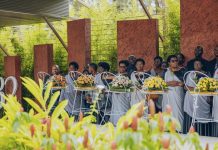
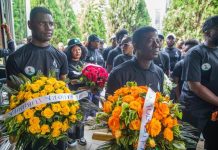
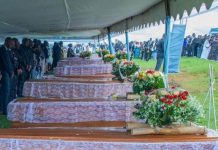
As part of the post-genocide generation, I did not grow up fully understanding the magnitude of what happened. To me, April was a time when the family gathered – laying flowers at genocide memorials, attending mass, and later reuniting at my grandfather’s home. As a child, it felt like any other family gathering. And yet, it was not.
Even then, we knew we were honouring people who should have been there with us.
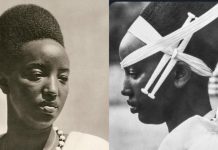
I remember my grandmother’s portrait in our living room: a tall, elegant woman with kind, striking eyes. As children, my sister and I would sometimes whisper that she was watching us, like the Mona Lisa. At the time, it felt like a game. Today, I understand it differently: it was our earliest attempt to hold on to someone we never got to meet.
Our family kept their memory alive through stories. We learned that our grandmother was strict but deeply loving. That my aunt, whom I resemble, was intelligent, graceful, and full of laughter. That my uncle loved dancing and even competed.
They were not just victims of the 1994 Genocide against the Tutsi. They were people who lived, loved, and mattered.
And that is why it feels deeply unsettling, even absurd, that there are still those who deny or attempt to minimize the Genocide against the Tutsi. If it did not happen, then where are our loved ones?
Where are the grandparents who would have spoiled us, the aunts who would have guided us, the uncles who would have made us laugh, the cousins who would have grown up beside us?
Their absence is not abstract. It is visible. It is lived.
As we grow older, we begin to see more clearly what our parents carried – and what they chose, despite it all. They rebuilt. They raised us. They gave us stability, love, and a sense of normalcy they themselves were denied.
And beyond them, there are those who made that future possible: the Inkotanyi. Many of them were barely more than children, 16 or 17 years old, when they chose to leave everything behind and fight for a country that was falling apart. They returned not to celebration, but to loss: entire families wiped out. And yet, they did not surrender to grief.
They chose to rebuild a nation. They chose us.
That is the inheritance we live with today: not only memory, but sacrifice – quiet, enduring, and often unspoken.
So, as we commemorate, perhaps the most important thing we can do is pause, not only to mourn those we lost, but to honour those who remained, who carried the weight, and who built a future we now call normal.
To our parents, and to all who made that future possible: thank you. And may healing continue, even in the places where words cannot reach.
Source: The New Times
For More News And Analysis About Rwanda Follow Africa-Press