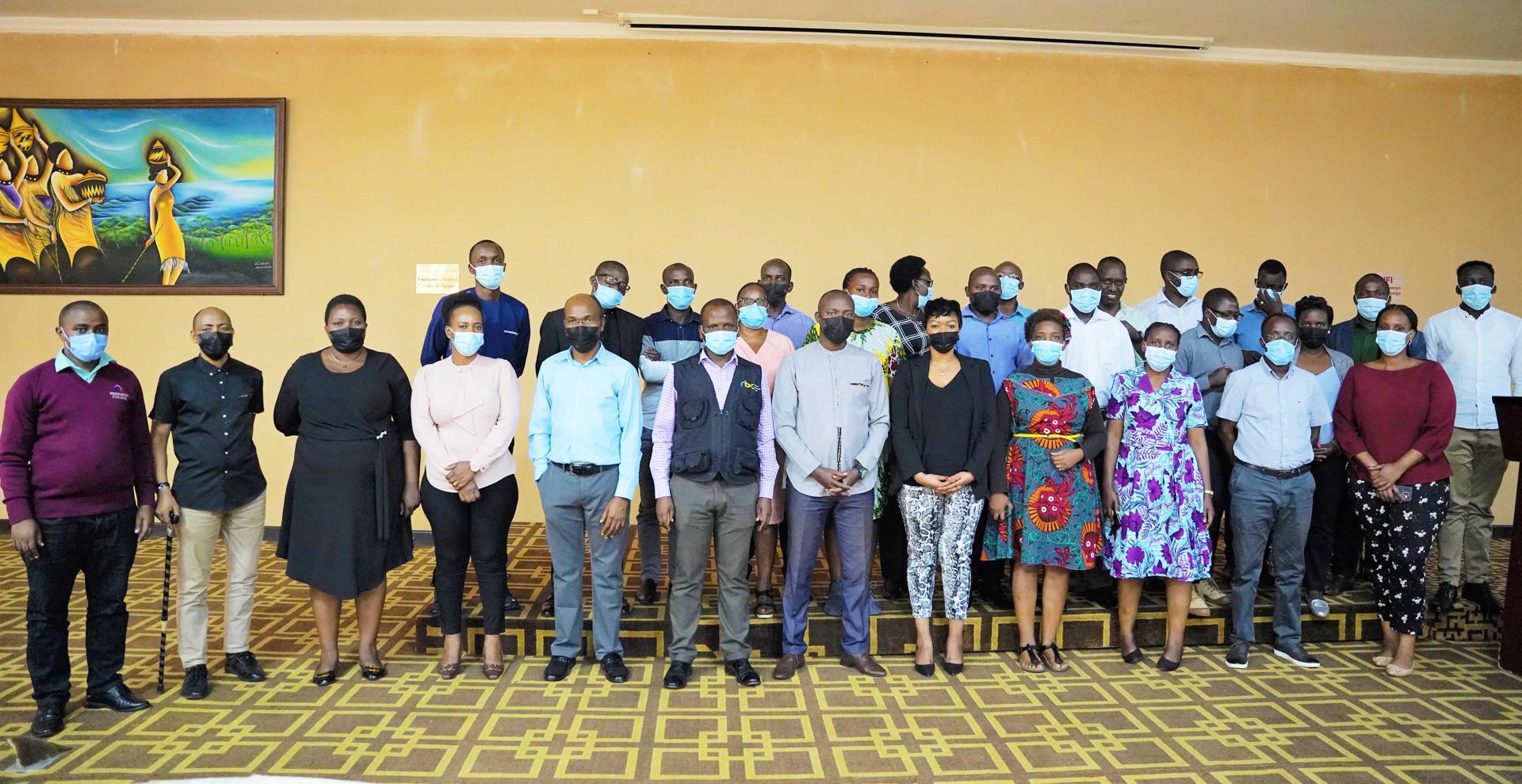
Africa-Press – Rwanda. With the support from City Cancer Challenge and Allm MEA FZ-LLC, Rwanda Biomedical Centre (RBC) has launched a project that facilitates a multidisciplinary exchange of information as well as cancer patient navigation to mitigate misinformed decisions and delays in patient treatment.
The project dubbed ‘Patient navigation/Interoperability project’, initiated on January 14, will initially serve patients with breast and cervical cancer and it will, later on, be extended to other types of cancer as well.
Statistics from the Rwanda Cancer Registry show that breast cancer is the most prevalent followed by cervical cancer. Gaps in awareness and early detectionhave persisted.
Under the project, doctors from different cancer treatment facilities in Rwanda will convene together as inter-hospital Multi-disciplinary Teams (MTDs) to discuss and share inputs for effective treatment decisions and allow the flow of communication as the patients go through all cure processes.
“There was a lack of harmonisation of cancer care in the country, we have been seeing that centres may treat cancer in different ways. There is a need to promote the culture of collective decision-making for cancer care,” said Dr. Cyprien Shyirambere, Director of Oncology at Partners in Health.
Intra-hospital MDTs will also allow specialists treating the same patient to agree on the best treatment plan. “A cancer patient is not treated by one doctor, the patient goes through different medical hands such as a chemotherapist, a surgeon, a radiotherapist, pharmacist, and a nurse. This project will provide a platform for multi-disciplinary team discussions,” Shyirambere added.
Currently, there are five cancer centres in Rwanda; University Teaching Hospital of Kigali (CHUK), University Teaching Hospital of Butare (CHUB), King Faisal Hospital, Rwanda Military Hospital (RMH) and Butaro Cancer Centre of Excellence (BCCOE).
Each one of them will have a designated nurse navigator who will be in charge of handling and following up on all processes that a cancer patient goes through, from the screening of cancer, orientation, data entry, treatment process, awareness of available health insurance incentives, and advocacy, among others.
Dr. Marc Hagenimana, Acting Director of Cancer Diseases Unit at Rwanda Biomedical Centre (RBC) said that data from the cancer registry indicate that half of the diagnosed cancer patients do not complete all required services for cancer treatment.
“It is better that we have patient/nurse navigators that can support the follow-up on patients in health facilities and help in the linkage of patients to clinicians and ensure that we don’t have patients who do not complete diagnosis and treatment,” he said.
The project is designed around a digital platform dubbed ‘Join’ that aims at documenting patients’ data from diagnosis throughout different stages of treatment and resolutions, the data will be accessible by different doctors from those five cancer centres who will be involved in the treatment process.
“The platform will help to enhance the collaboration of different digital systems that we are using to ensure that the continuous patient’s care is documented and follow up is well done,” said Hagenimana.
“The application will facilitate the exchange of information among doctors, for instance, if a doctor at CHUK has a patient who had a CT scan at Kanombe (RMH), that application will help you access images of that patient which were taken at RMH without calling them,” explained Shyirambere.
Dr. Shyirambere said that the application ensures patient confidentiality as it is built in a way that only authorized clinicians can access it.
For More News And Analysis About Rwanda Follow Africa-Press