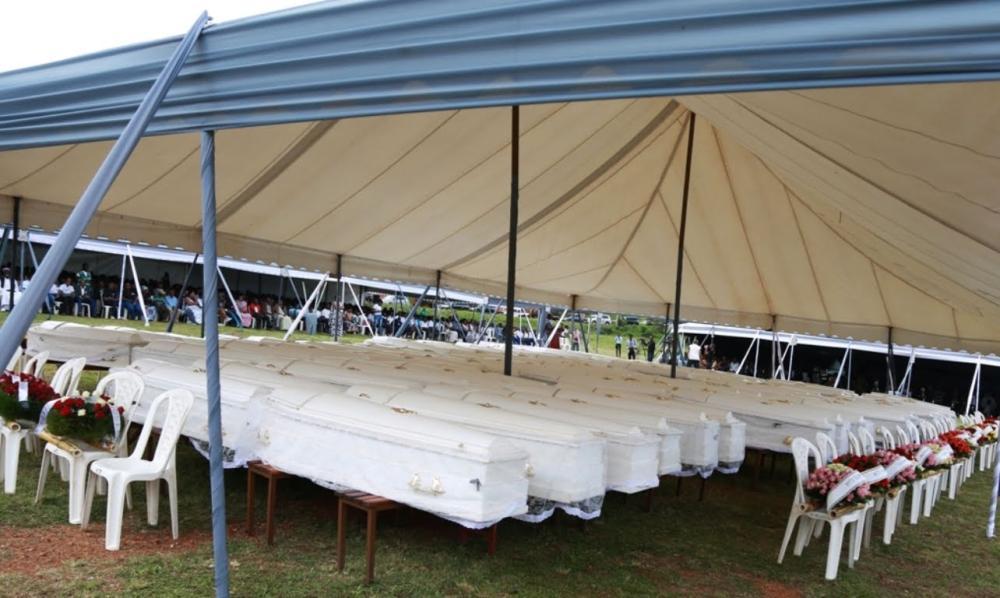
Africa-Press – Rwanda. Rwandans from all walks of life will, for the 32nd time, begin commemorating the 1994 Genocide against the Tutsi on April 7, the day on which the then regime openly unleashed one of the most horrific campaigns of violence in human history.
Over a period of 100 days, the genocidal regime led by President Juvénal Habyarimana oversaw the systematic killing of more than one million innocent Tutsi, targeted solely because of their ethnicity.
The genocide was not spontaneous. It was meticulously planned and executed. The ideology was cultivated over years, deeply entrenched within society, and actively propagated among the population. The Interahamwe militia was trained and equipped, and the machinery of mass murder was set in motion with chilling precision.
At its core, however, it was sustained by discrimination and hate speech, forces that conditioned ordinary people to participate, both mentally and physically, in the atrocities. Decades of indoctrination turned neighbor against neighbor.
History shows that many perpetrators were not strangers, but ordinary citizens once good neighbors, family members, and acquaintances of those they later turned against and killed. They were part of the same communities they ultimately destroyed. Some were even parents who committed unspeakable acts against innocent children.
There is no justification for such horror. Yet it is evident that genocide ideology does not emerge overnight; it takes years to take root, gradually eroding humanity until individuals lose sight of the shared dignity of others.
In the aftermath, Rwanda embarked on a long journey of healing and restoration. Thirty-two years later, Rwandans live side by side in peace, and the country has risen from the ashes to become globally recognized for its resilience and progress.
However, the same ideology that led to the 1994 Genocide is, worryingly, resurfacing particularly within parts of the diaspora and across the Great Lakes region. It finds expression through social media and other digital platforms, often amplified by individuals and networks that continue to promote division and distortion.
As we mark Kwibuka 32, we must be reminded of the responsibility each Rwandan bears to confront and reject the hate speech and ideology that once led the country into mass violence.
For young people especially, this moment presents an opportunity to use the very platforms that can spread harmful narratives to instead challenge them, to speak out, correct misinformation, and actively contribute to preserving truth and unity.
Source: The New Times
For More News And Analysis About Rwanda Follow Africa-Press