Africa-Press – Rwanda. Patience Irakoze, paused in his prowling of his new apartment (if he could even call it that) to stare at the cement flooring beneath his feet. He searched for more signs of wear probably caused by bazillion years of relentless treading.
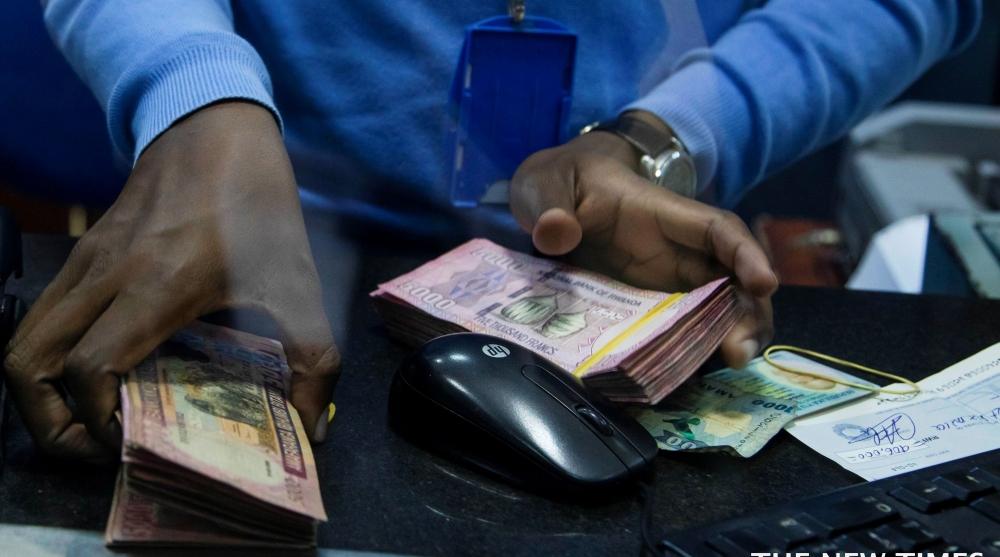
This situation was beyond frustrating. He had been forced to move from his previous place to one that was a far cry from what he was used to. What was worse, the predicament showed no signs of waning, commodity, and many other prices were constantly going up while his wage remained stagnant. Inflation was what economists called it, a manifestation of the pandemic and the Russia-Ukraine dilemma. Irakoze called it hell. And he was trapped in it.
As a 25-year-old freelance MC, his monthly income ranged from Rwf80, 000 to 120,000 which he spent on transportation, food, and housing and energy costs. When the economic slump hit, he was forced to take on extra hours. His high workload caused health problems, yet he was forced to continue working these extra hours if he wanted to survive. Along with his youthful vigour and optimism, the recession had sapped his joie de vivre. “Ugh.” He sat up, visibly shaking off his melancholy and started preparing for work.
ALSO READ: BNR to focus on mitigating inflation- report
Although Rwanda’s economy grew overall by 7.5% as per the gross domestic product (GDP) update released in September last year by the Ministry of Finance and Economic Planning, in the first three quarters of 2022, double-digit inflation was seen in that same year. This inflation was more severely felt by lower income households, like Irakoze’s, because they spend a larger percentage of their income on similar items. Younger age groups, who typically make less money than their older counterparts, tend to experience these lower incomes more frequently.
Furthermore, younger generations are significantly less prepared to deal with inflation than those who lived through the high inflation of the 1970s, making it a more pernicious threat to them. This is the first instance of such high inflation for millennials and Gen-Zers.
ALSO READ: Central bank increases lending rate to 6.5% to tame inflation
Surely, many youth can relate to Irakoze’s situation. If your compensation isn’t increasing by at least as much as inflation, you’re spending more of your pay check on the same things that you were previously paying for. Consider the case of housing, for instance; individuals under the age of 30 are more likely to rent than to own their home, and, what do you know, 78% of Rwanda’s population is under the age of 35.
The inflation has prompted millennials to change their goals. “With all the deluded confidence of a recent graduate, I saw no problem when this inflation began,” Irakoze claims. “Not long after, I was compelled to downgrade my lifestyle. For instance, I stopped going to the stadium frequently to watch football games and limited clubbing too.” He had to cut back on his contribution toward household expenses as well.
In another part of the country, 22-year-old Merveille Uwineza unlocked her apartment. She’d just returned after a day out with her pals. During her free time, she enjoyed outings and trying out new restaurants.
Uwineza entered her room with a sigh of relief. She had dodged the severe effects of inflation, a miracle made possible by her savings and investments she had made in the fashion and agriculture industries. When she was a young child, her parents taught her the importance of setting money aside for rainy days, which was her first introduction to financial literacy.
“Growing up, I learned how to resist peer pressure and save more money by avoiding purchases that weren’t absolutely necessary,” she says.
Aimable Nkuranga, an independent financial expert with 20 years of experience, mentions the low level of financial literacy among Rwandans while assessing the effects of the financial crisis. “Rwandans now have higher financial literacy levels than before, and their rate of financial inclusion is among the highest in Africa. There is still room for development, though. Savings levels are still low, and many people continue to take out bad loans (consumption loans). The majority of middle-class folks struggle to make ends meet.”
For More News And Analysis About Rwanda Follow Africa-Press