Africa-Press – Rwanda. Aline Nyirarukundo, 30, is among Congolese refugees living in Kiziba Refugee Camp who have turned to small businesses to improve their livelihoods after humanitarian aid was significantly reduced.
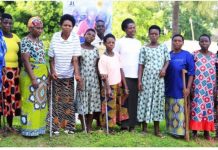
Together with five other women, the mother of two runs a small restaurant in the camp in Karongi District, serving visitors and employees of aid organisations working there.
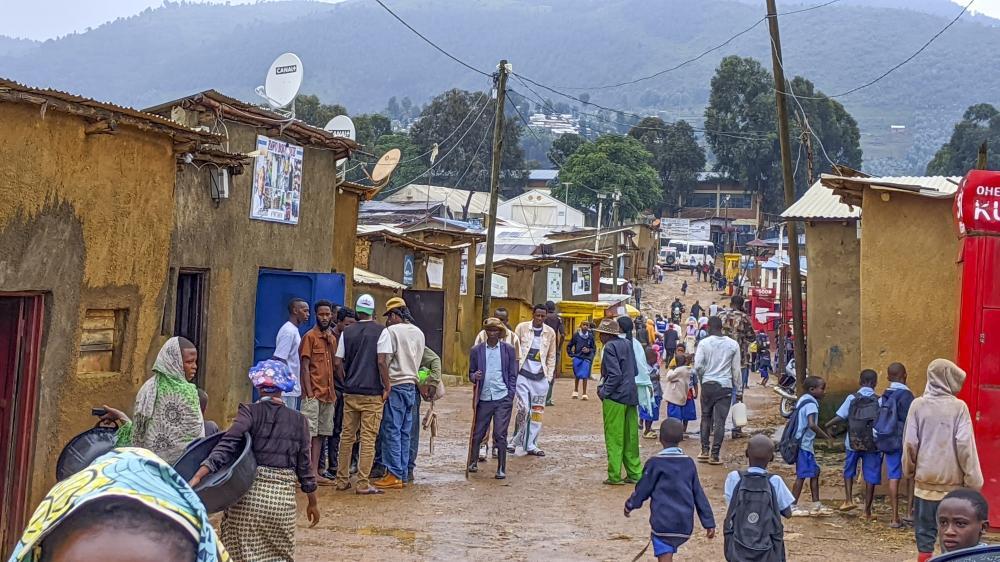
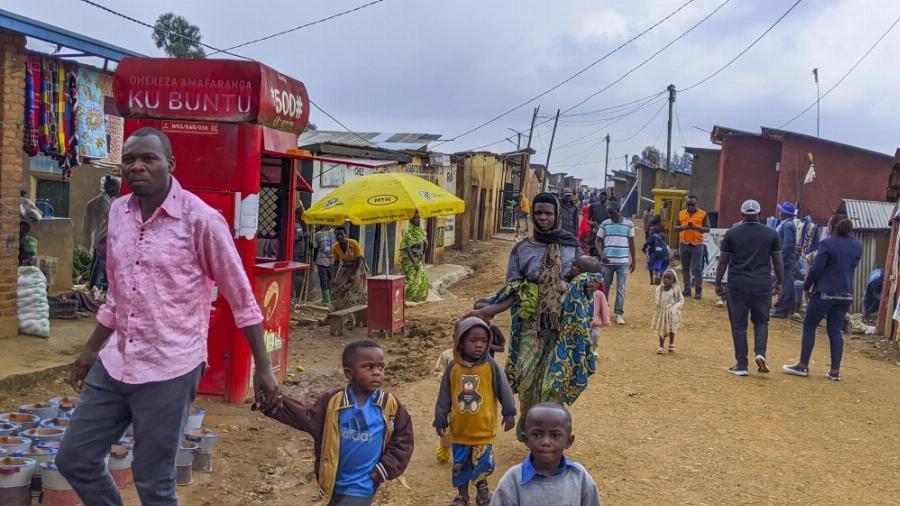
Many refugees have started small businesses at a busy business centre near Kiziba Refugee Camp. Photo by Germain Nsanzimana
The women invested Rwf200,000 each to launch their business. Despite the challenging life as refugees, the women say their initiative has greatly improved their families’ livelihoods.
“My children now go to school and no longer suffer from hunger,” Nyirarukundo said. “We came together as a women’s group and started saving so that we could develop ourselves. Life in the camp is not easy, but the restaurant helps us meet our basic needs.”
She added that the business has become especially important since refugees no longer receive assistance in the form of food rations.
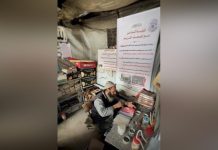
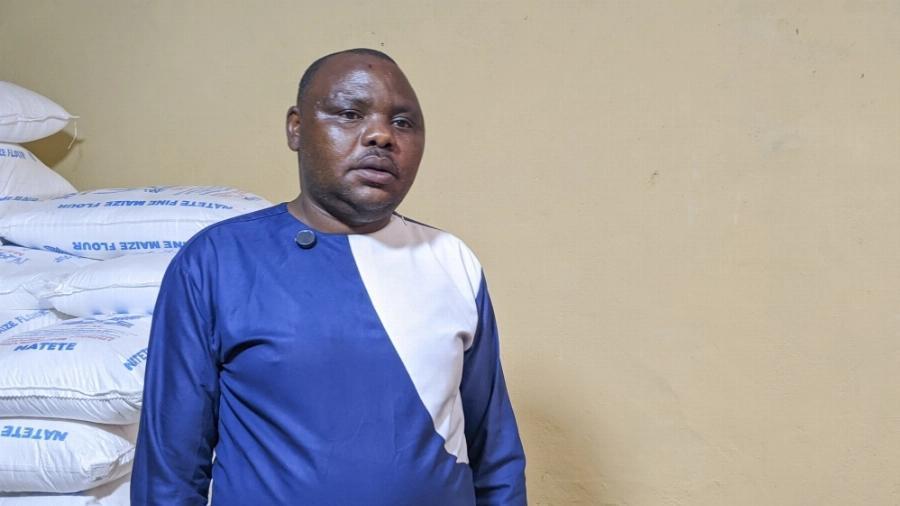
Abel Nsengamungu has started a small business in the camp after he fled conflict in eastern DR Congo Congo and arrived at Kiziba camp in 1996
Abel Nsengamungu has started a small business in the camp after he fled conflict in eastern DR Congo Congo and arrived at Kiziba camp in 1996.
Nsengamungu, 45, began his entrepreneurial journey in 2004 with only Rwf10,000, making and selling doughnuts in the camp. Over time, he expanded his activities by opening a small café.
When food assistance was reduced by 60 percent in March 2021, Nsengamungu adapted his business strategy. He began working with wholesalers in Kigali, purchasing food supplies and sanitation products on credit and selling them in the camp. He now owns a shop selling maize flour and other essential goods.
“I started little by little with my savings, and eventually I was able to open this shop,” said Nsengamungu.
He explained that many refugees had previously depended on food assistance from the World Food Programme.
“The idea to expand my business came when aid was reduced,” he said. “Thanks to the good leadership of this country, we were encouraged to find solutions ourselves.”
His business has grown from Rwf3 million in 2017 to more than Rwf 15 million today, and it employs seven people.
But like the thousands of other Congolese refugees, Nsengamungu still dreams of returning to his home country once peace has returned.
“I believe I could have achieved even more if I was in my country,” he said. “I could have expanded my business further, even traveling to places like Dubai to import goods. Nothing can replace your country. No matter how much money you have, your homeland will always come first.”
He and Nyirarukundo share the same hope.
“All we dream of is returning home,” she said. “We pray that our country becomes safe again and that the instability ends so we can go back to the place where we were born.”
Karongi District Mayor Gerald Muzungu said a range of reintegration efforts have been implemented to support both refugees and host communities. These initiatives, delivered through the Socio-Economic Inclusion of Refugees and Host Community Project (Jya Mbere Project), aim to strengthen livelihoods.
“Congolese refugees are benefiting from various opportunities and infrastructure established in camps and nearby communities,” Muzungu said. He added that 177 refugees and 556 Rwandans have received startup capital, with grants totaling over Rwf 600 million.
The mayor noted that the funding has also helped create new jobs and improve livelihoods.
For More News And Analysis About Rwanda Follow Africa-Press