Africa-Press – Rwanda. The Nigerian community in Rwanda on Saturday, April 25, joined Rwandans in observing the 100 days of commemoration of the 1994 Genocide against the Tutsi, honouring victims of the tragedy that claimed more than one million lives.
According to members of the community , the visit aims to pay tribute to those who perished.
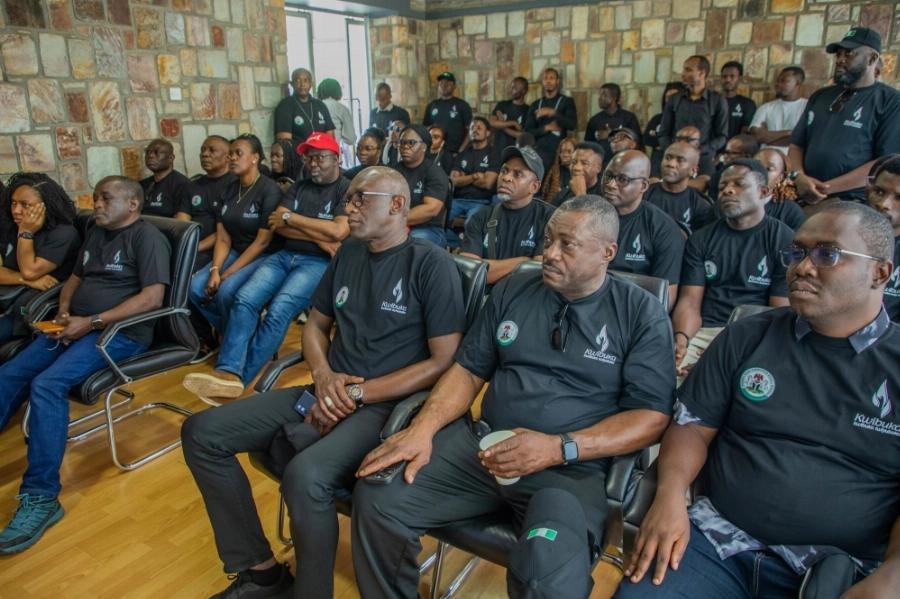
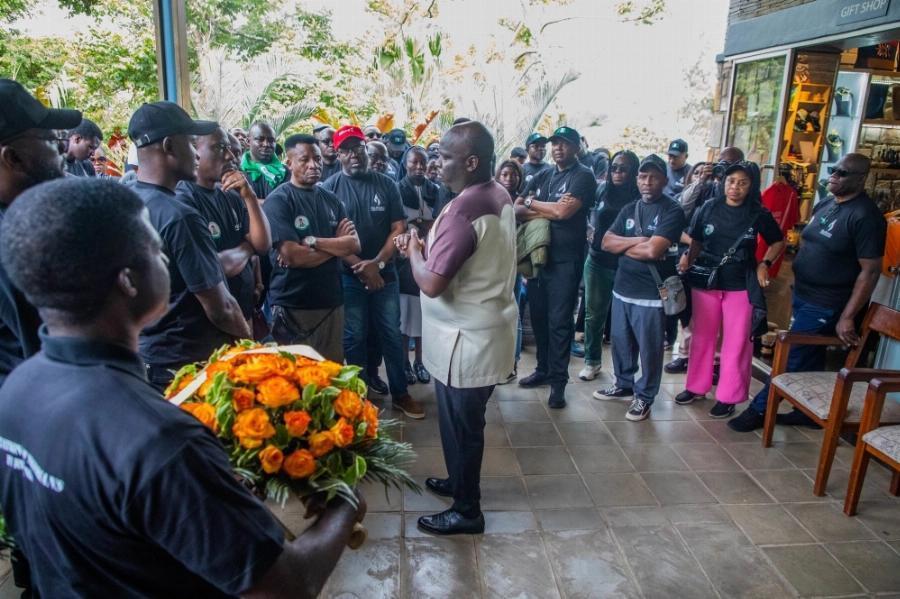
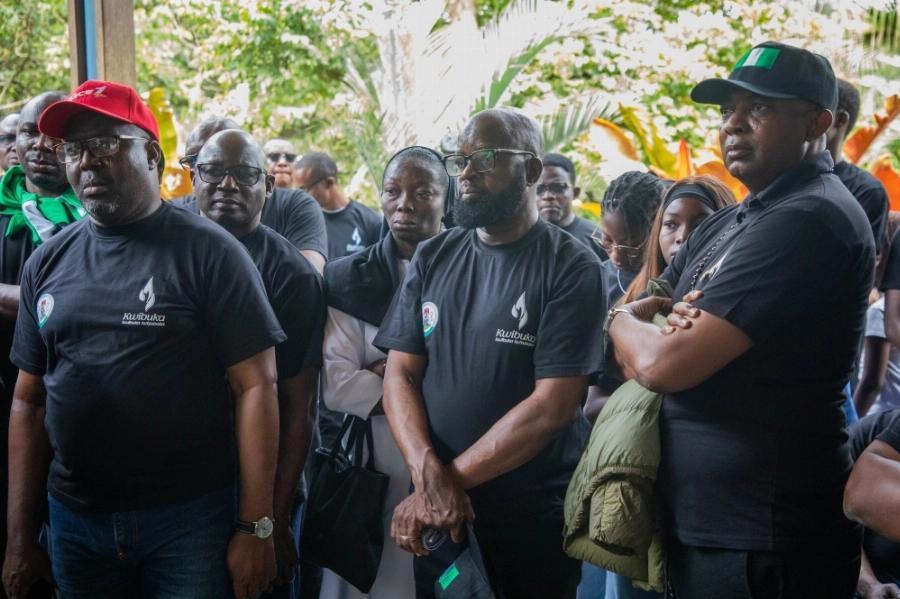
The commemoration organised by the Association of Nigerians in Rwanda (ANR) brought together more than 70 members of the community alongside officials from the Nigerian High Commission in Kigali.
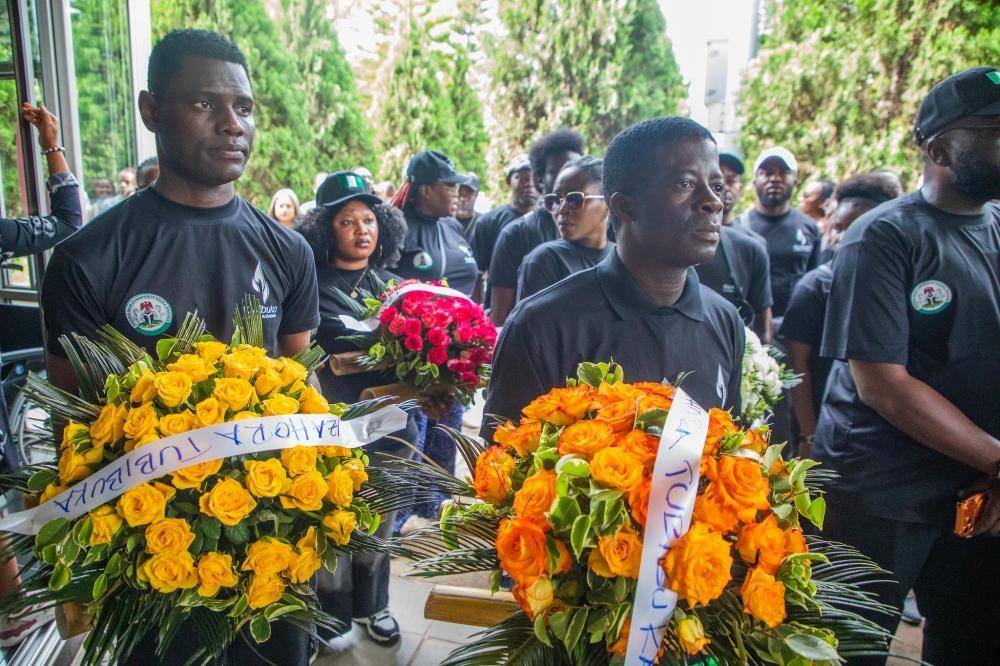
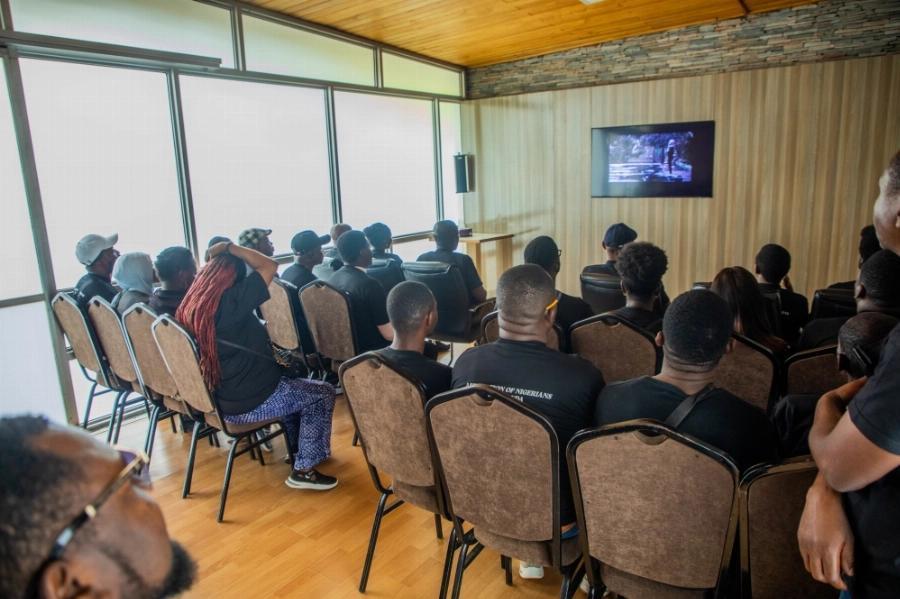
It began with a walk to remember from the Kinamba area to Kigali Genocide Memorial, where the mourners laid wreaths at the final resting place of more than 250,000 victims. They also toured the memorial, engaging with the history and reflecting on lessons from Rwanda’s post-Genocide recovery and reconciliation journey.
Members of the community said the gathering was both a tribute to those who perished and a call to remain vigilant against division and hate.
Mourners during a guided tour of the memorial.
Ambassador Ibrahim Zanna, the Acting High Commissioner at the Nigerian High Commission, said the annual initiative reflects solidarity with Rwanda while offering lessons that resonate beyond its borders.
“We are here to stand with the people of Rwanda, to reflect on what happened, and to learn from it,” he said.
He said that the lessons remain urgent across Africa, particularly at a time when hate speech and polarisation are on the rise.
“What we are seeing in different parts of the continent, including the misuse of social media, are early warning signs. This is why the message of ‘never again’ must be upheld everywhere, not only in Rwanda.”
Zanna also pointed to Rwanda’s transformation as a source of inspiration.
“The ability of Rwandans to rebuild, reconcile, and move forward is something the rest of Africa can learn from,” he said.
Umar Garba Wali, President of the Association of Nigerians in Rwanda and a professor at the University of Rwanda, said the commemoration reflects a shared responsibility between the community and their host country.
“We came to honour those who lost their lives and to appreciate the resilience of Rwandans, who chose to rebuild together,” he said.
He noted that Rwanda’s experience offers practical lessons for societies facing internal divisions.
“People here made a conscious decision to live together again, resolve their differences, and move forward. That is why many now look to Rwanda as a reference point.”
Wali added that visits to memorials often spark reflection within their community.
“We take time to discuss what we have seen and how it relates to our own societies, including recognizing early signs of conflict and addressing them before they escalate,” he said.
The commemoration organised by the Association of Nigerians in Rwanda (ANR) brought together more than 70 members of the community alongside officials from the Nigerian High Commission in Kigali.
He cautioned against Genocide denial, warning that it risks fueling further harm.
“The reality of what happened is clear. Denying it only creates room for more problems.”
Cynthia Chisom Iben, a Nigerian youth living in Rwanda, said the experience reshaped her understanding of both the scale of the genocide and the country’s progress since then.
“I had read about it before, but being here makes it real. It shows how much was lost, but also how people were able to come together again,” Iben said.
She pointed to Rwanda’s unity as a lesson for other African countries.
“Rwandans moved past division and are now living in peace. That is something others can learn from.”
Prof Nathan Chiroma, Principal of Africa College of Theology in Kigali, emphasised the importance of forgiveness in rebuilding societies.
“Each visit reinforces the need for reconciliation. What happened cannot be changed, but how people move forward matters,” Chiroma said.
“This is my tenth time here, and the lesson remains the same: humility and forgiveness.”
He urged Africans to engage more deeply with their own history.
“It is time for Africans to tell their own stories. Understanding our past helps shape a better future.”
Kelechi Anyanwu, a lawyer and Vice President of ANR, said visiting the memorial continues to shape perspectives within the community.
“It changes your mindset. When you understand what people went through, you approach others with empathy,” he said.
He described Rwanda’s reconciliation as practical.
“You can see it in everyday life. It is not just policy, it is something people practise,” he said.
Anyanwu also stressed the role of forgiveness in sustaining progress.
“Letting go of revenge allows people to move forward. That is one of the strongest lessons Rwanda offers.”
For More News And Analysis About Rwanda Follow Africa-Press