Africa-Press – Rwanda. Members of the Liberal Party (PL) have welcomed the government’s proposal to establish a “family council” in a bid to promote stable, conflict-free households, with the aim of further reducing divorce rates.
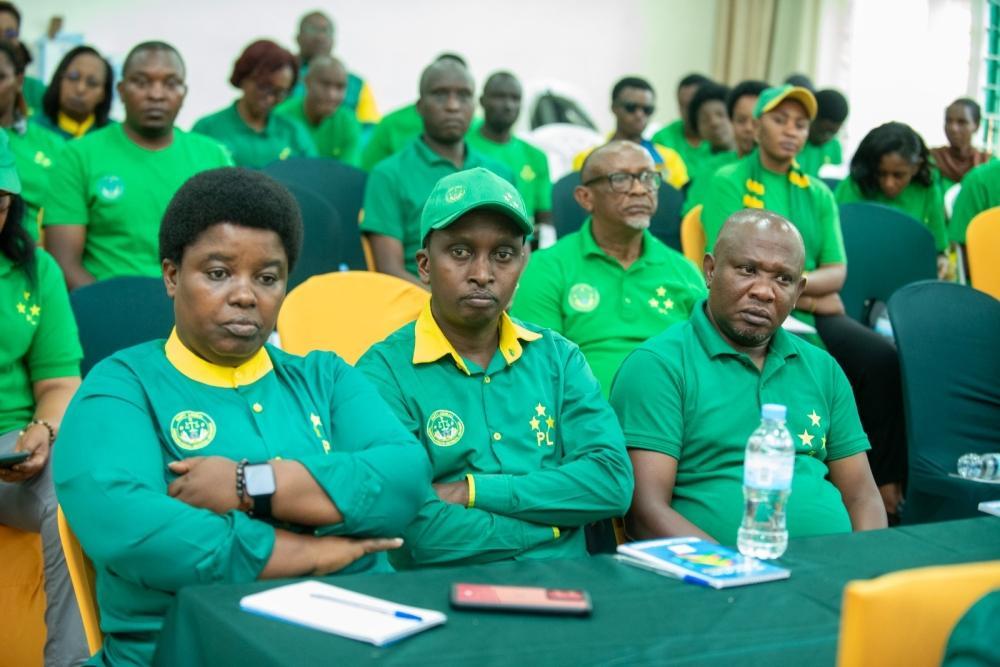
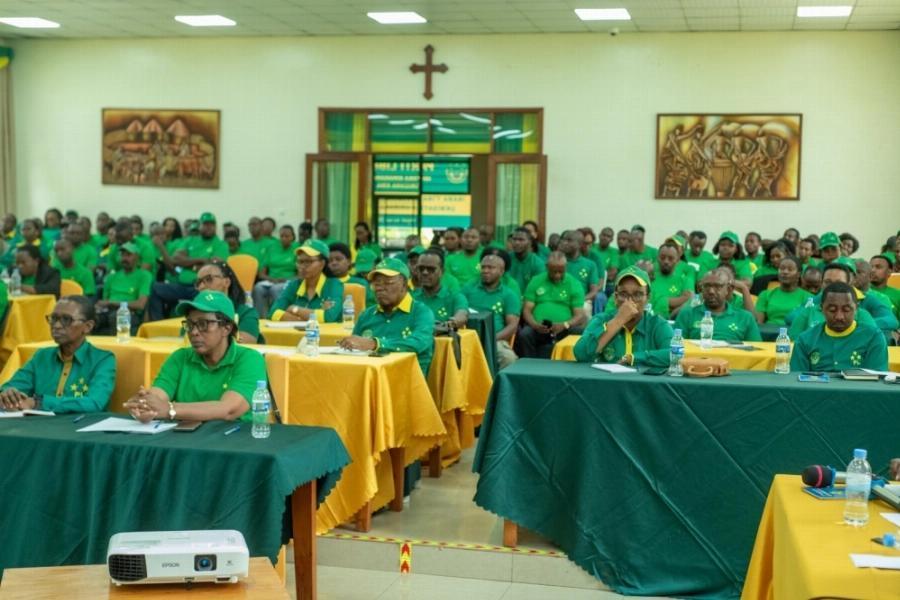
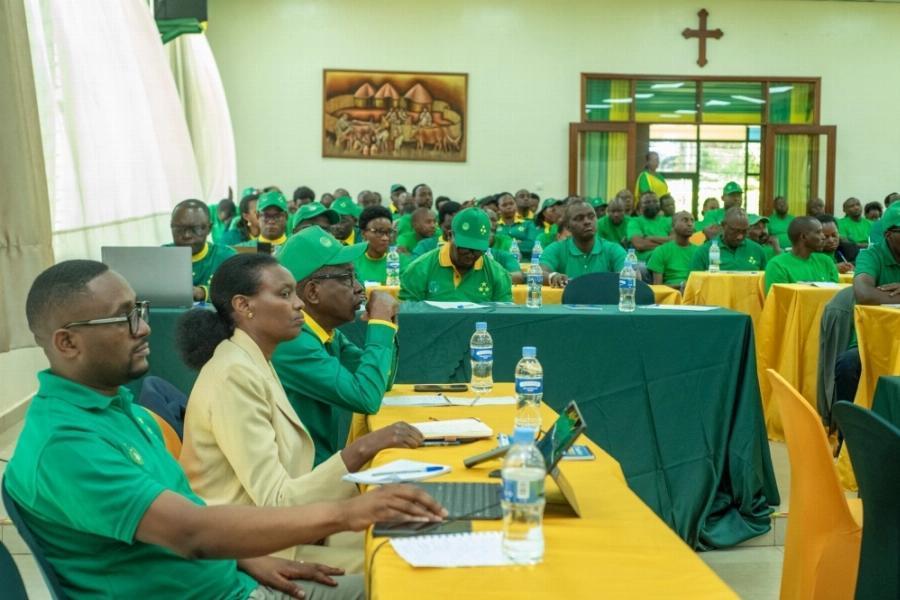
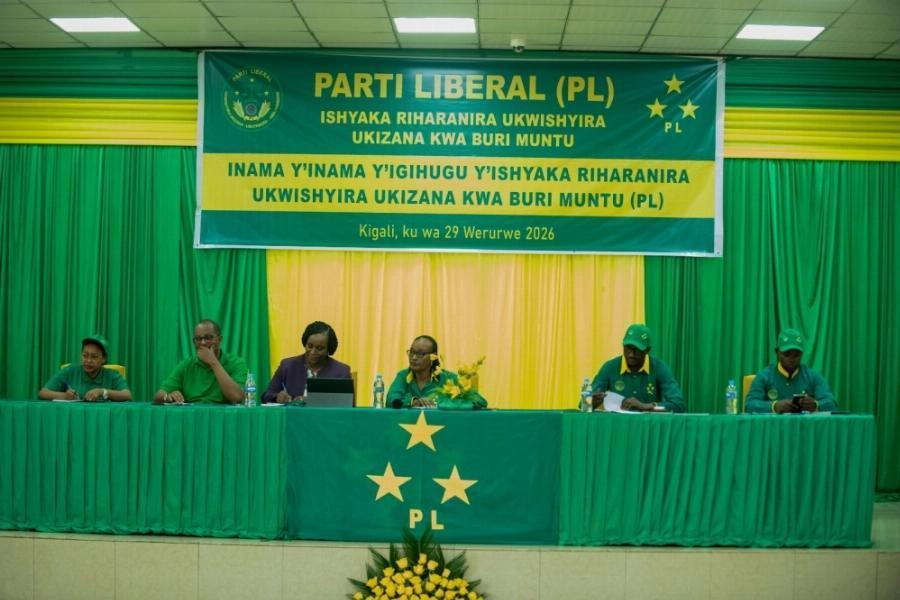
This was highlighted as PL party cadres from various levels across the country convened in Kigali on Sunday, 29 March, to discuss the role of stable families in national development.
Proposed by the Ministry of Gender and Family Promotion, the council will serve as an organ within the family responsible for fostering development, safeguarding the interests of family members, and settling disputes.
Cadres from various levels across the country convened in Kigali on Sunday, 29 March, to discuss the role of stable families in national development.
A ministerial order will determine the composition, duties, organisation, and functioning of the family council in accordance with the 2024 law governing persons and families.
In the event of disagreement, either spouse may refer the matter to the family council. If a person is dissatisfied with the council’s decision, they may appeal to the competent court.
According to the 2024/2025 annual judicial report, Rwanda recorded 2,674 divorce cases, down from 2,833 in 2023/2024 and 3,075 in 2022/2023.
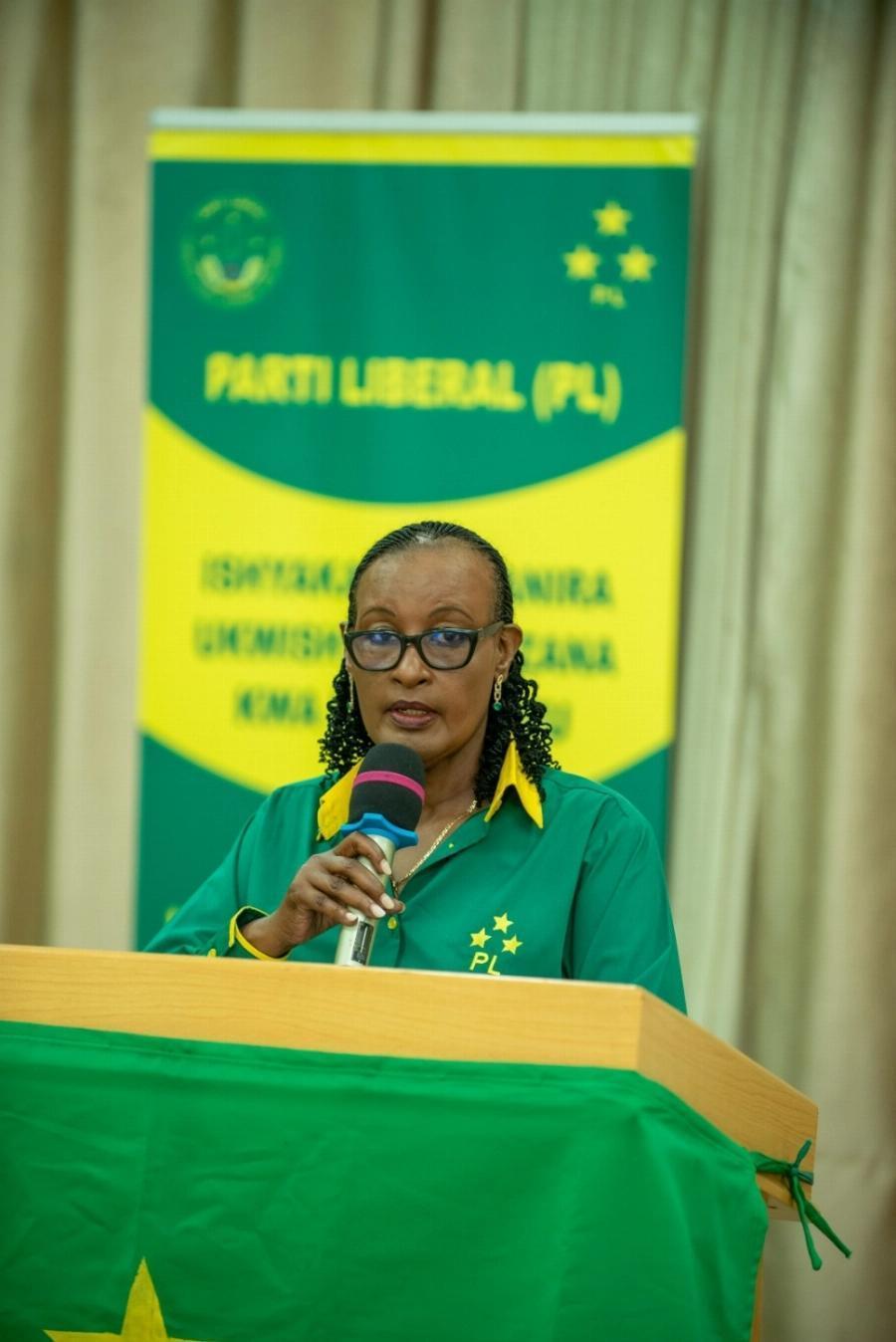
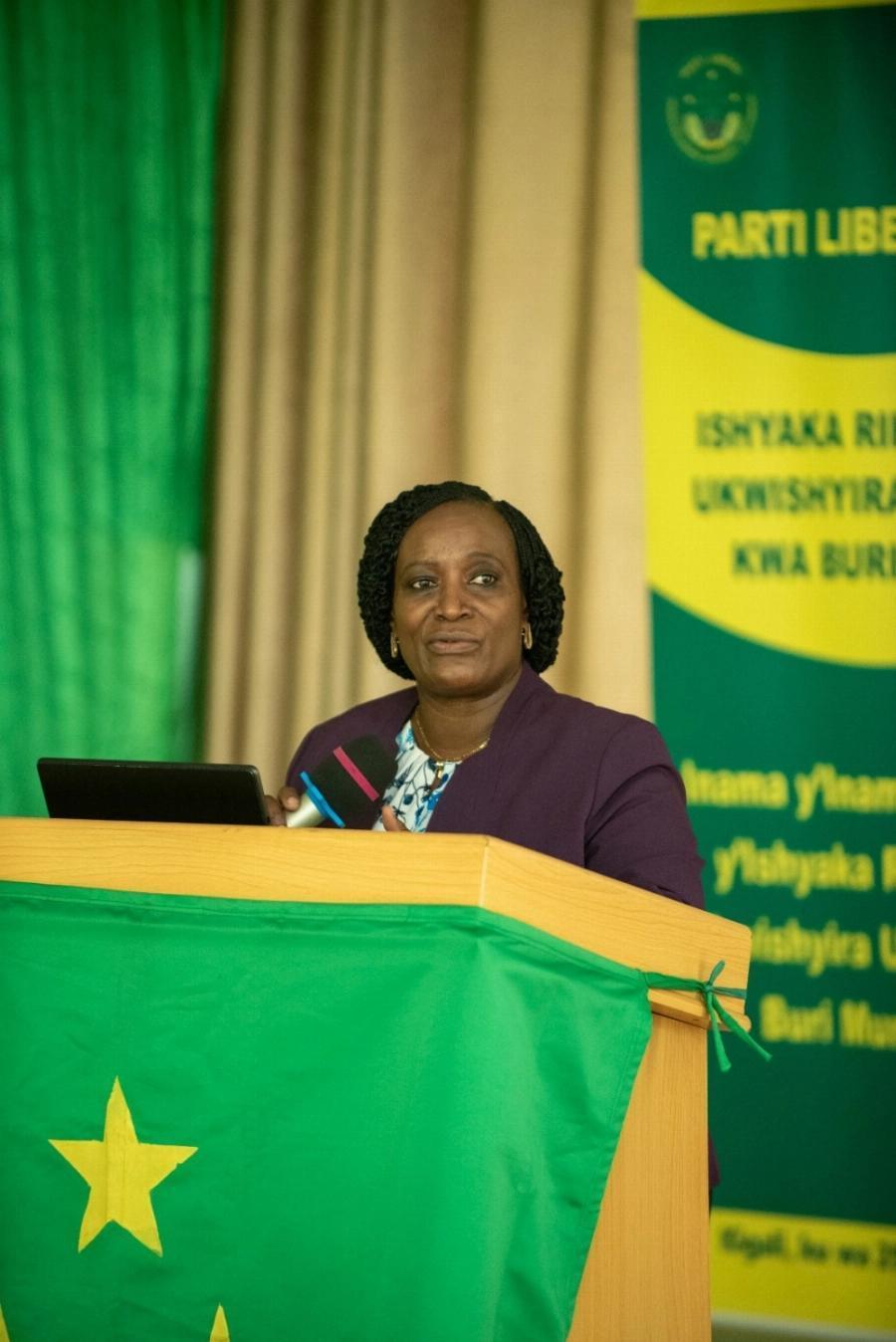
“Families must be characterised by mutual respect between spouses, the promotion of gender equality, and the provision of proper upbringing for children, enabling them to contribute to both their personal development and the national development,” Donatille Mukabalisa, president of the Liberal Party, said.
Donatille Mukabalisa, president of the Liberal Party delivers her remarks at the meeting
“The Liberal Party Rwanda will continue investing in awareness campaigns aimed at building strong and stable families, as they are the foundation of sustainable development. We encourage PL members and all Rwandan families to work together to find solutions to their challenges, with the goal of improving well-being and contributing to the country’s development,” she added.
The Minister of Family and Gender Promotion, Consolée Uwimana, highlighted several challenges facing families, including domestic conflicts, alcoholism, child malnutrition, child abuse, and teenage pregnancies.
“Citizens are the foundation of the country’s development, but such development cannot be achieved in unstable families,” the minister said.
The Minister of Family and Gender Promotion, Consolée Uwimana, highlighted several challenges facing families.
She called on members of the Liberal Party to play an active role in addressing these issues and to strengthen awareness campaigns aimed at changing mindsets and building strong, healthy families.
She also urged PL members to help families live harmoniously, support couples preparing for marriage, and assist existing couples in maintaining stability.
She stressed the need to prioritise the fight against gender-based violence and prevent child sexual abuse.
“The family council, which should be established by ministerial order, needs to be fast-tracked,” said Viateur Bangayandusha, a member of PL and lecturer at the Institute of Legal Practice and Development (ILPD).
“We are dealing with a major issue: family instability, which contributes to school dropout rates and stunting among children due to conflicts and divorces between parents.”
Members of the Liberal Party (PL) have welcomed the government’s proposal to establish a “family council” in a bid to promote stable, conflict-free households
According to the RGB Citizen Report Card 2025, 74.7% of Rwandans are satisfied with family-building services, with satisfaction among men at 76.3% and among women at 73.3%.
Top issues affecting family stability
The main issues affecting family stability include conflicts (17.8%), harassment (13.6%), infidelity (13%), property-related violence, teenage pregnancies (9.1%), divorces (8.2%), fights (6.6%), street children (6.3%), child labour (3.9%), child defilement (2.4%), rape (1.9%), and murder (1.2%).
Family problems have far-reaching consequences.
They can lead to the breakdown of households and cause children to drop out of school due to inadequate care.
Malnutrition and poor feeding practices in such families hinder children’s physical growth and overall development.
Poverty often persists when family members fail to cooperate in improving their households, which in turn slows national development.
In extreme cases, unresolved family issues can result in domestic violence, with members harming one another.
Teenage pregnancy in Rwanda has increased by 3% over the past five years and is expected to rise further to between 5% and 8% by 2025, according to the Demographic Health Survey (DHS) 2025.
This increase has serious consequences, including higher rates of school dropouts and increased mortality among children under five.
Malnutrition and poor feeding practices are more prevalent among affected families. Many households experience disruption as young mothers leave home, often resulting in emotional distress.
A significant number of children born under these circumstances remain unregistered in official records, complicating their access to essential services and rights.
“A malnourished child does not grow properly in terms of physical stature, emotional well-being, or social relationships, which negatively affects their entire life,” Uwimana said.
For More News And Analysis About Rwanda Follow Africa-Press