Africa-Press – Rwanda. On a quiet weekday morning in Kigali, Marie-Chantal Byukusenge reflects on a journey that once felt uncertain, expensive and emotionally draining.
Between 2019 and 2020, she travelled to India in search of a kidney transplant.
A laboratory technician at Cerba Lancet Rwanda
At the time, her decision was far from unusual. For years, Rwandan patients in need of complex procedures had accepted that some aspects of care, especially specialised diagnostics lay beyond the country’s borders.
What disrupted her plans, however, was not the surgery itself, but a missing laboratory test.
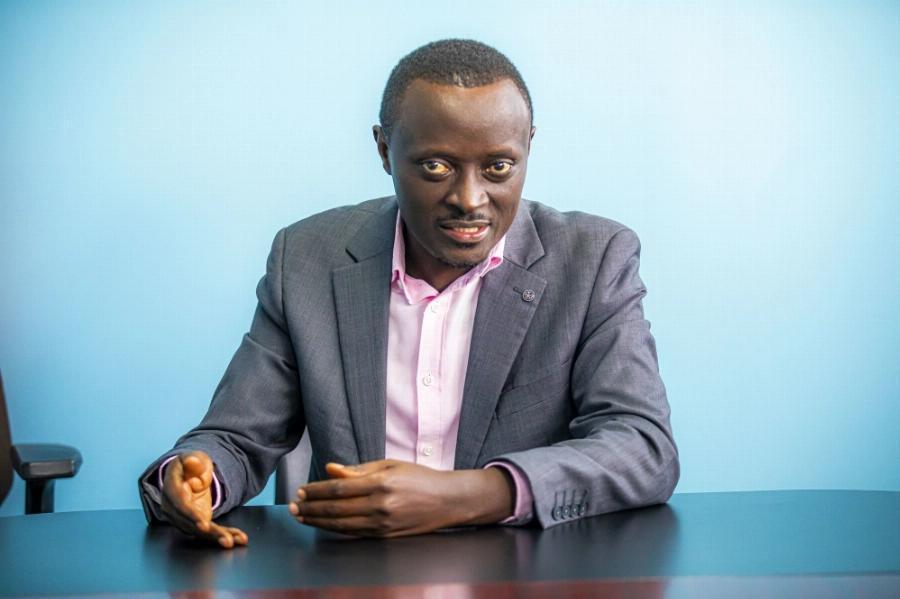
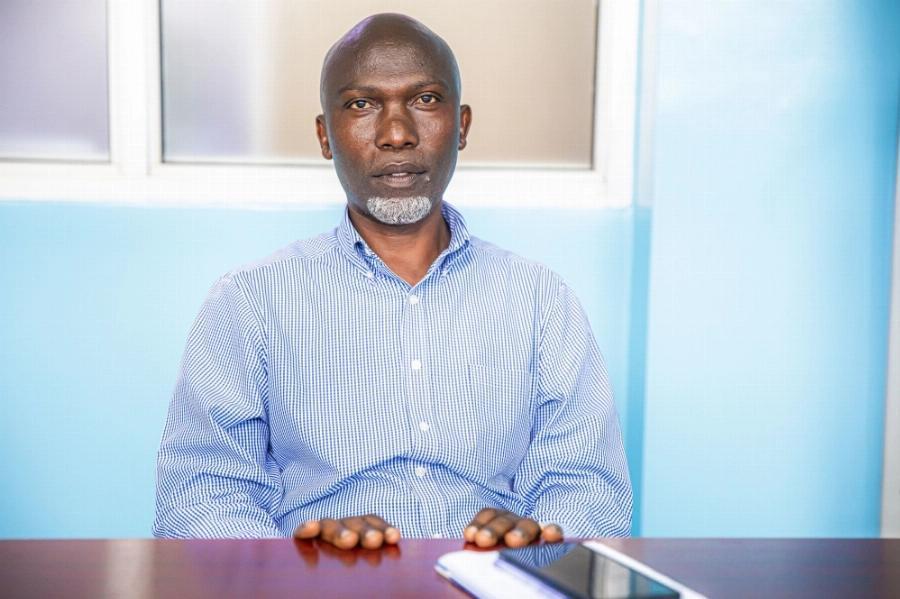
Protais Ntezimana, Country General Manager of Cerba Lancet Rwanda, speaks during an interview with The New Times.
A crucial compatibility test had not been carried out before she left Rwanda. When doctors in India eventually performed it, the results showed that the donor and recipient were not compatible.
The procedure could not go ahead. Her trip ended abruptly, after significant spending on flights, accommodation, medical consultations and hospital coordination.
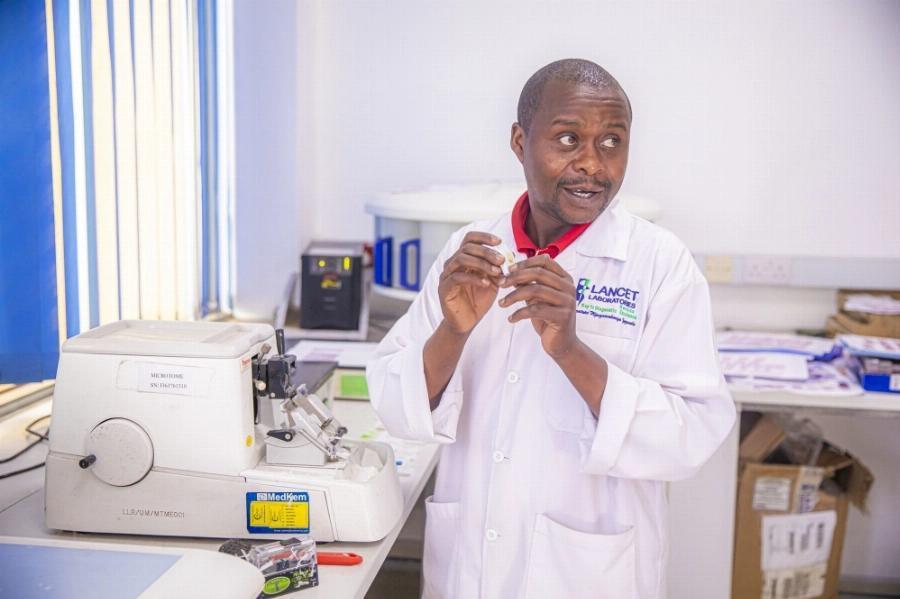
Cerba Lancet Rwanda Laboratory Manager Valens Karenzi speaks with The New Times. Photos by Kellya Keza
“When I reached India, they told us we were not compatible based on a test that had not been done before I left,” she recalls. “That meant I had to return home. The expenses were already incurred.”
The setback revealed a deeper truth about healthcare systems: advanced treatment is only as reliable as the diagnostics that come before it. Surgery may command headlines, but laboratory precision determines eligibility, risk, timing and outcomes.
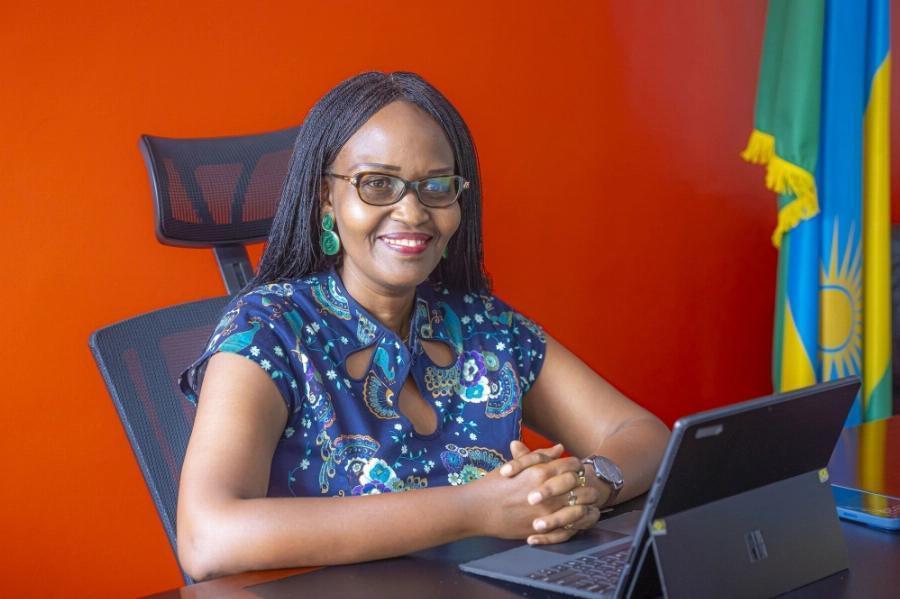
Dr. Isabelle Mukagatare, Senior Biomedical Health Expert and Head of Biomedical Services at the Rwanda Biomedical Centre, during an interview. Photos by Kellya Keza
Relief closer to home
When Byukusenge returned to Rwanda, she made a discovery that changed her trajectory. The specific compatibility test she needed had since become available locally.
“When I came back, I found that the test I needed was now being done here. I gave my sample at Cerba Lancet Rwanda and waited about two weeks,” she says. “When I returned to India with the results, they repeated the test there — and the results were exactly the same.”
Dr. Isabelle Mukagatare, Senior Biomedical Health Expert and Head of Biomedical Services at the Rwanda Biomedical Centre.
That confirmation mattered. “Some people think results from Rwanda cannot be trusted,” she adds. “But in my case, they repeated the test in India and the findings were identical.”
For Byukusenge, the experience was not only about avoiding another wasted trip. It was about confidence that advanced diagnostics could be accessed locally and that those results could stand up to international scrutiny.
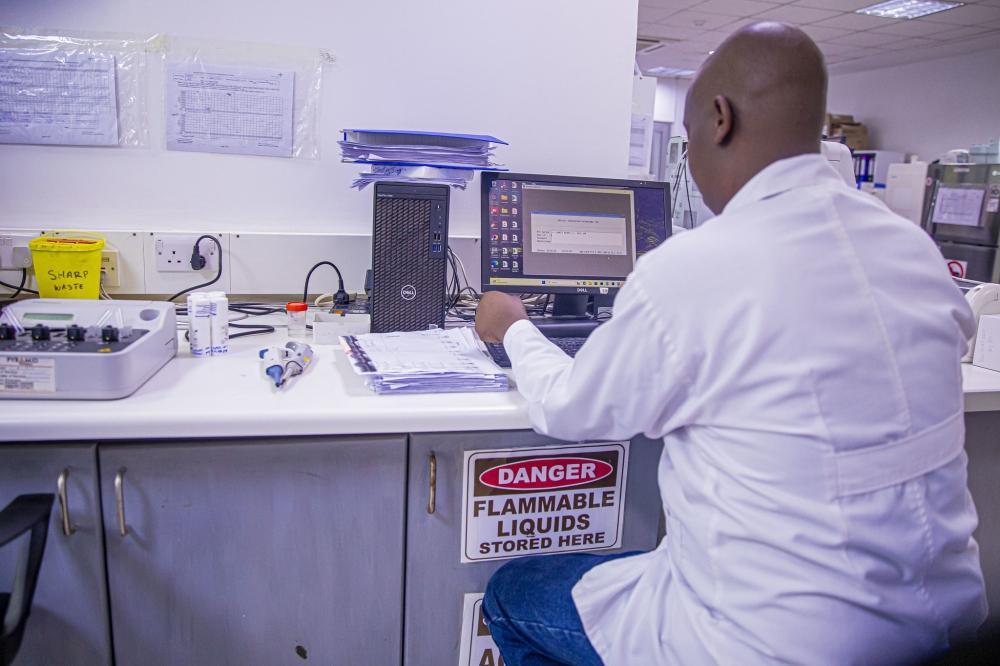
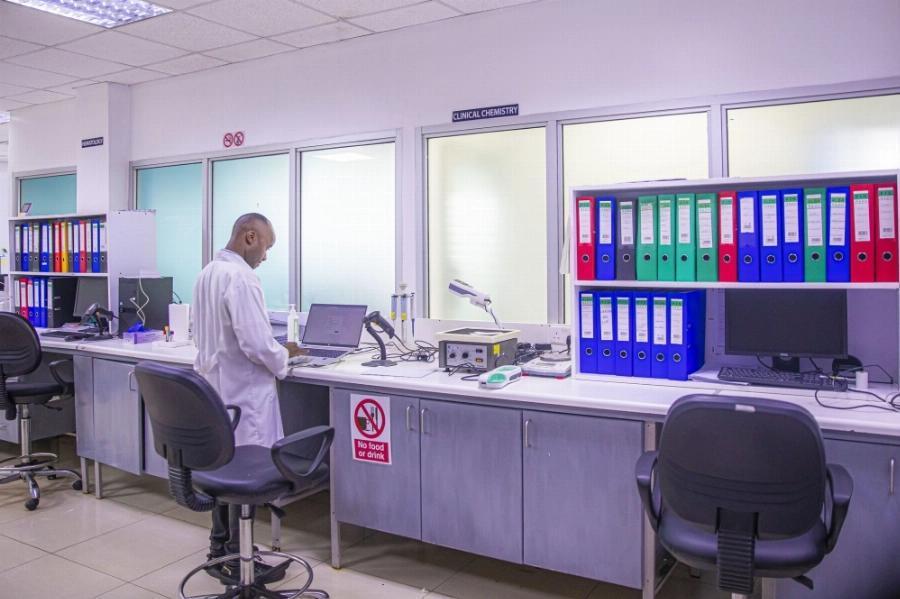
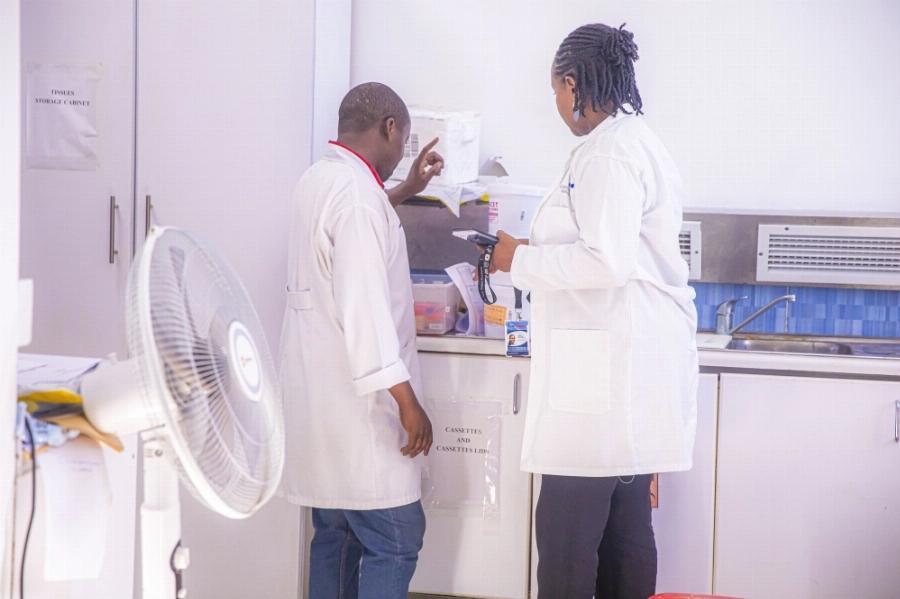
Laboratory technicians at Cerba Lancet Rwanda
Her story reflects a broader, quieter shift unfolding within Rwanda’s healthcare system. Over the past decade, laboratory medicine has steadily evolved from a background service into a central pillar of clinical decision-making.
From oncology diagnostics to transplant monitoring, viral load testing to antimicrobial resistance surveillance, the laboratory is increasingly where treatment decisions begin.
Building a diagnostic backbone
Cerba Lancet Rwanda began operations in 2015, entering a landscape where most laboratory services were embedded within hospitals.
Independent, specialised diagnostic centres were few, and complex tests were often sent abroad at considerable cost and delay.
Ten years on, the laboratory reports having conducted more than 1.4 million tests for roughly 480,000 patients. For Protais Nteziimana, Country General Manager of Cerba Lancet Rwanda, the figures represent more than growth in volume.
“Over the past decade, we have performed more than 1.4 million tests,” he says. “That represents hundreds of thousands of patients whose clinical decisions were guided by laboratory evidence.”
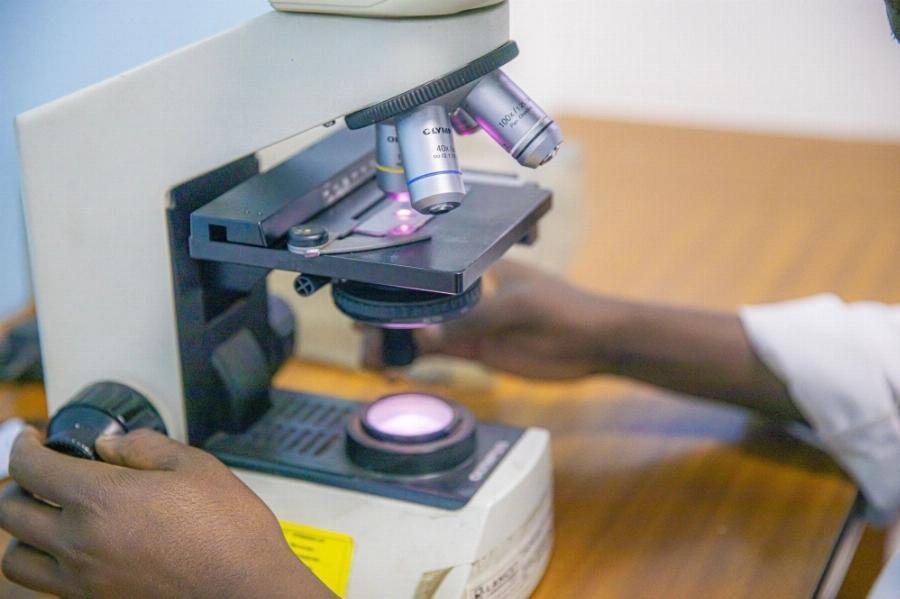
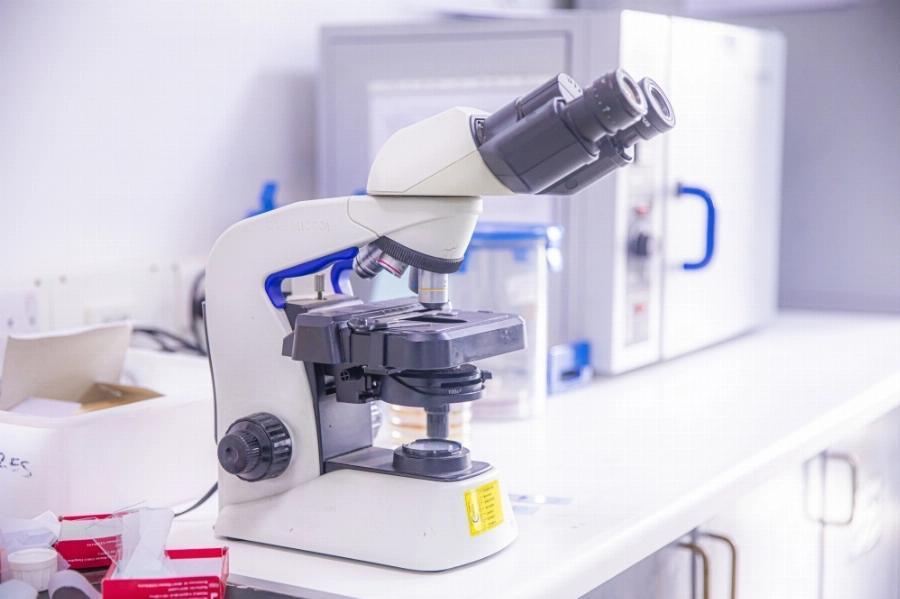
Microscope analysis at Cerba Lancet Rwanda for accurate diagnostics.
The defining shift, he explains, was structural. “Traditionally, laboratories operated within hospitals or clinics. We introduced an independent, specialised laboratory model focused purely on diagnostics. That meant heavy investment in quality systems, advanced testing platforms and skilled personnel.”
That investment required patience. According to Laboratory Manager Valens Karenzi, building systems capable of international accreditation was a gradual process.
“We started in 2015, but it took five years to reach the standards we have today,” he explains. “We invested in staff training, acquiring advanced analysers, calibrating equipment, validating test methods and implementing strict quality management systems.”
In 2020, the laboratory achieved ISO 15189 accreditation through the South African National Accreditation System, signalling that its processes met internationally recognised standards.
“Accreditation means our testing methods, controls and reporting meet global benchmarks,” Karenzi says. “If a quality control fails, we stop processing patient samples until the issue is resolved. Accuracy cannot be compromised.”
From referrals abroad to confidence at home
Advanced diagnostics have been particularly transformative in oncology and renal care — areas historically associated with foreign referrals.
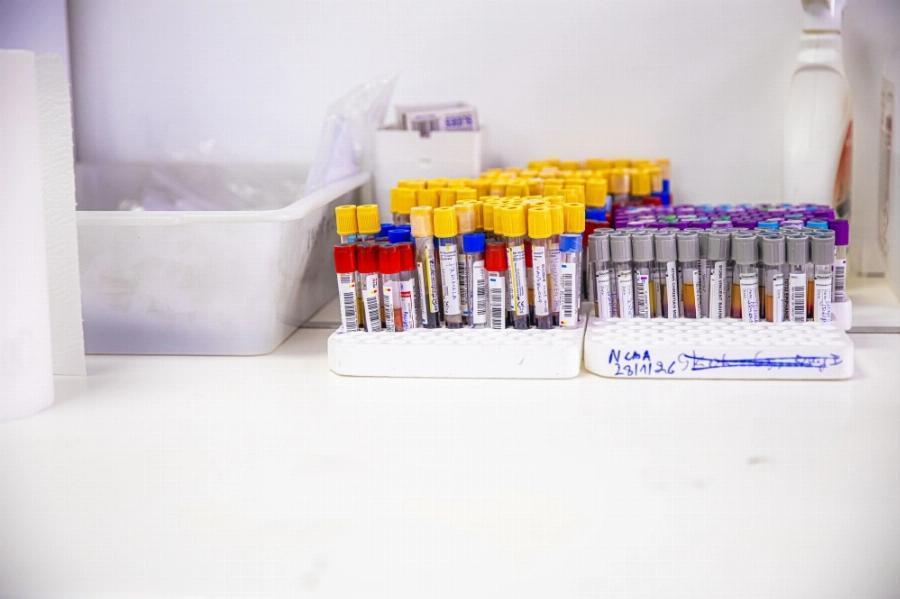
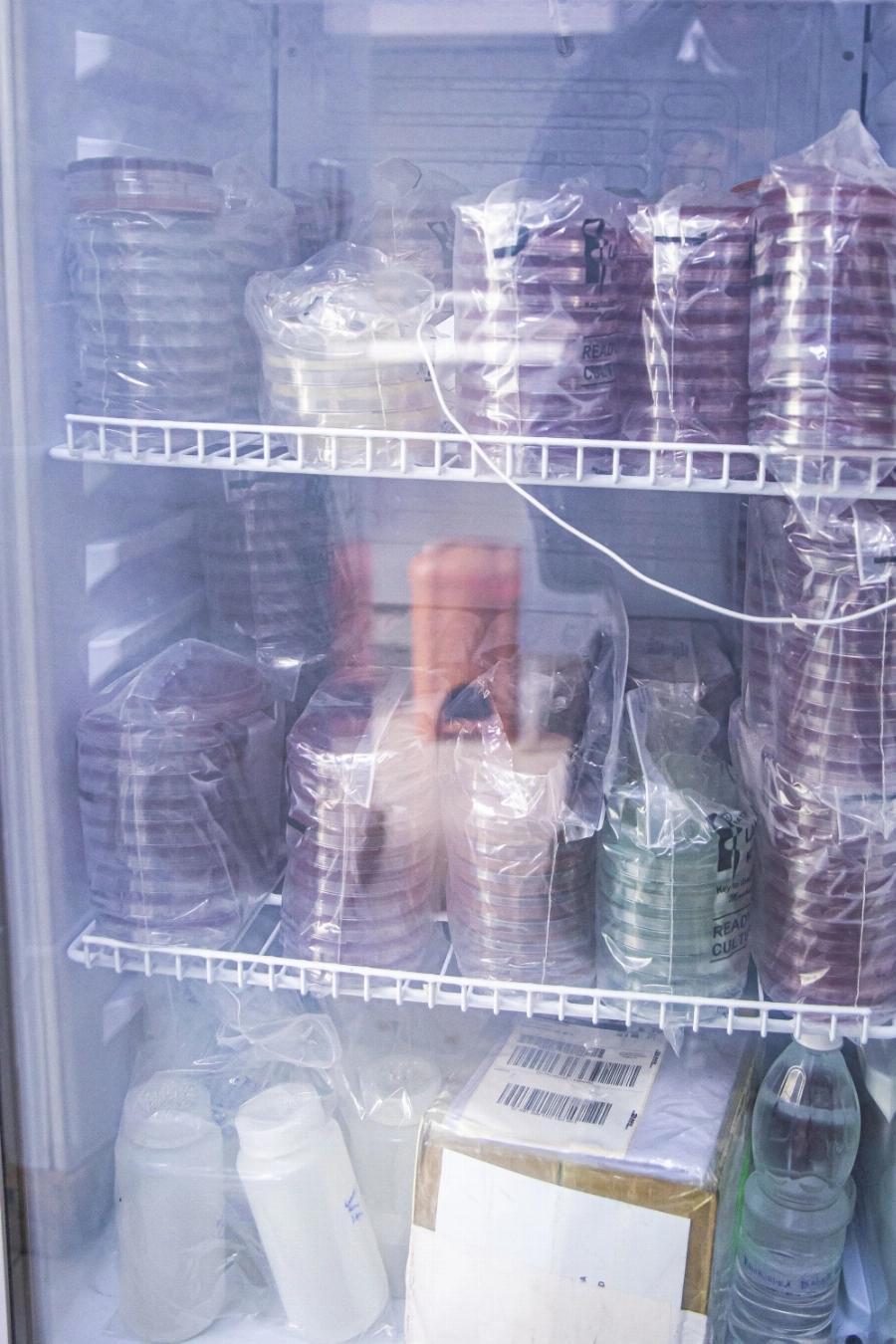
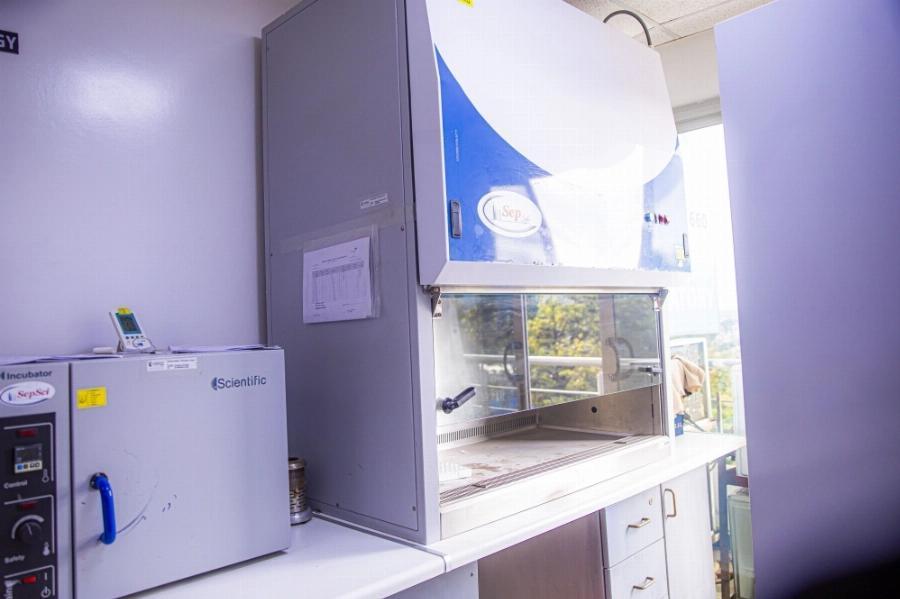
Refrigerated stacks of lab supplies in a microbiology lab.
“For tumour diagnostics, we were among the first in Rwanda to introduce advanced platforms capable of diagnosing different cancers,” Karenzi says. “Many facilities now refer complex cases to us, especially for histopathology.”
Ntezimana notes that some patients previously travelled abroad solely for laboratory confirmation.
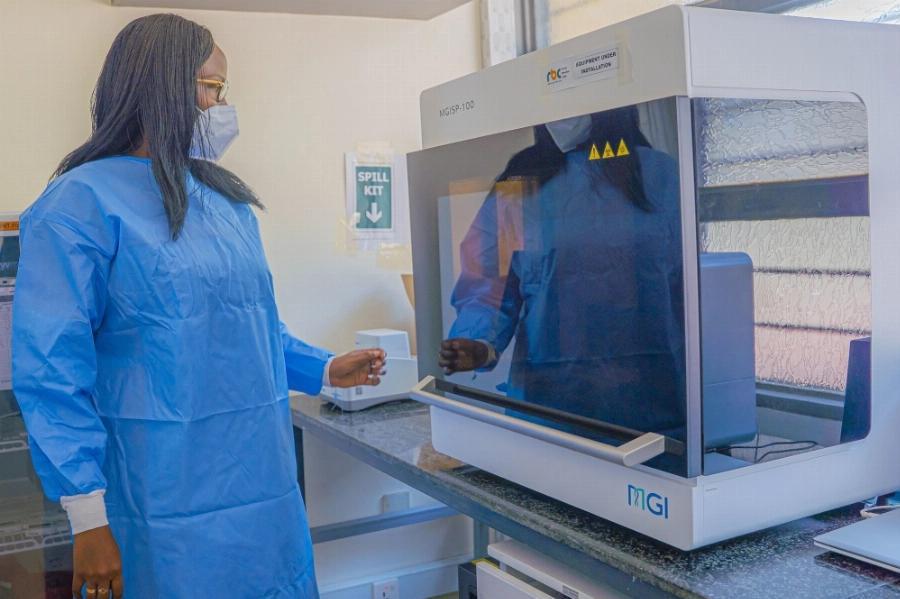
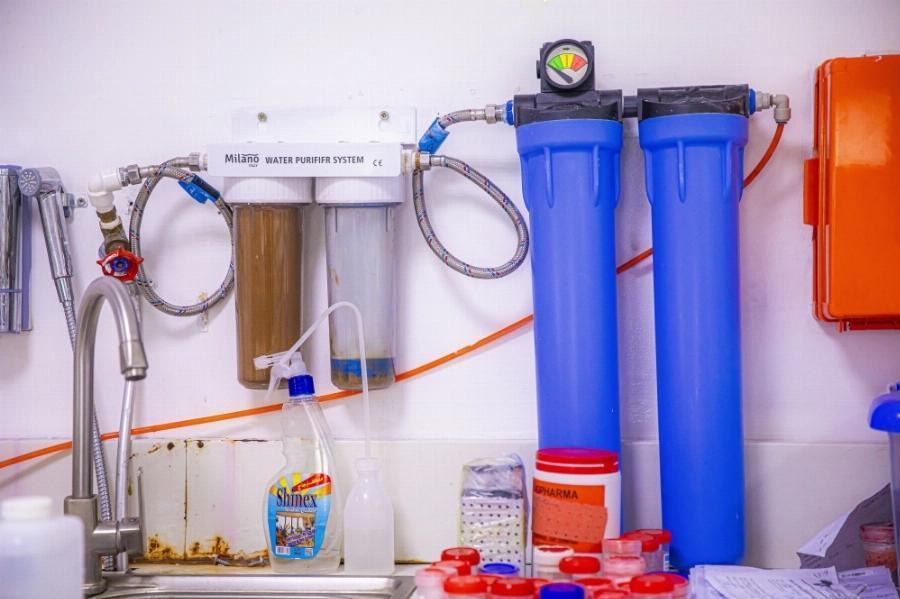
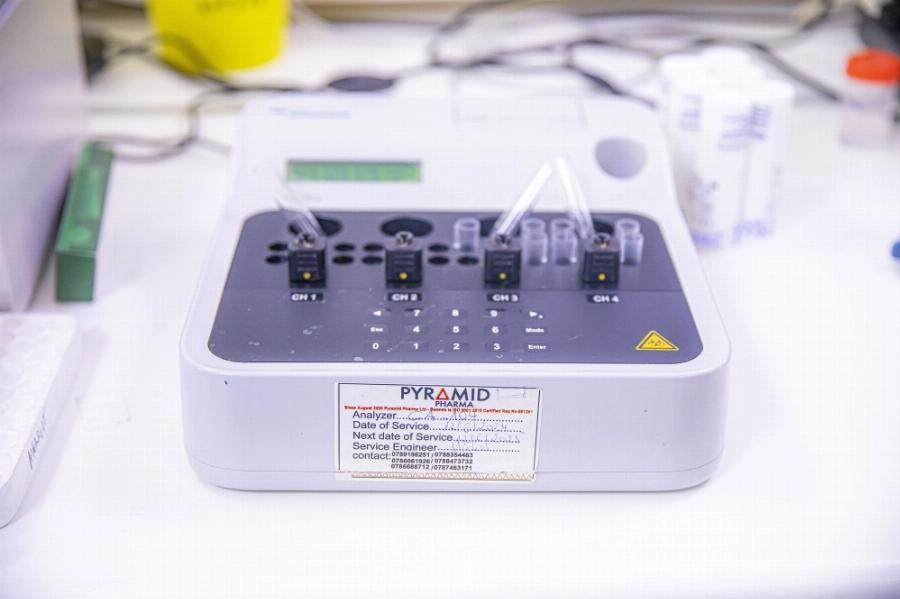
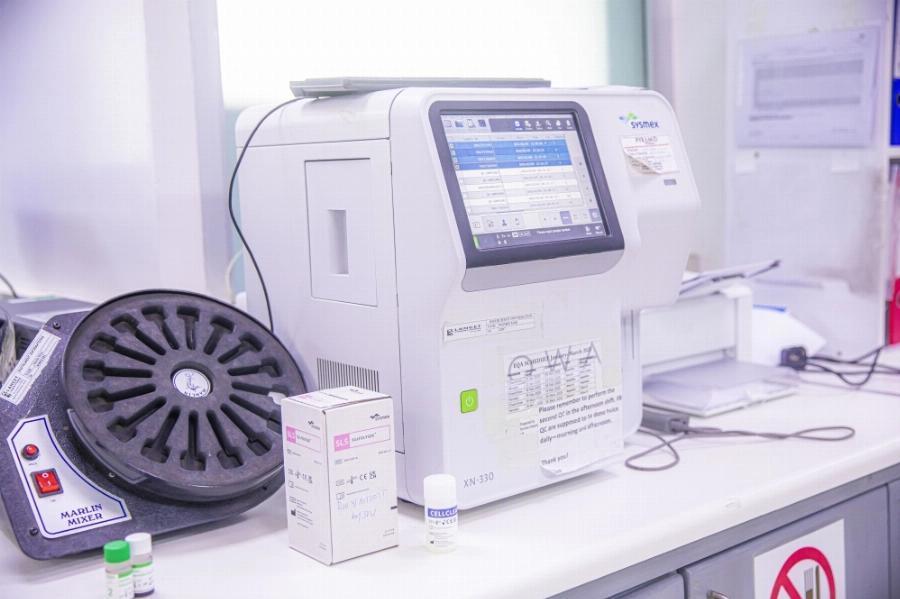
Advanced diagnostic equipment at Cerba Lancet Rwanda supports high-quality testing and reduces overseas referrals in Rwanda’s healthcare.
“We have cases where patients spent up to €5,000 travelling to India or Europe for a test that we now offer locally for around Rwf30,000,” he says. “That changes both cost and access.”
Beyond finances, local diagnostics bring continuity. Follow-up becomes easier, repeat testing becomes practical and treatment adjustments can be made without international travel.
For kidney transplant recipient Viateur Karerangabo, routine monitoring is part of daily life. He underwent his transplant in India but now conducts follow-up tests in Rwanda.
“When you are living with a transplant, follow-up tests are not optional,” he says. “You need reliable results, and you need them on time.”
Microscopy at Cerba Lancet Rwanda for precise diagnostics.
A private lab within a national system
The growth of private laboratory capacity has occurred alongside major reforms in Rwanda’s public laboratory network.
Dr Isabelle Mukagatare, Senior Biomedical Health Expert and Head of Biomedical Services at the Rwanda Biomedical Centre, says the changes are part of a wider transformation of the health system.
A microbiologist on duty at Cerba Lancet Rwanda.
“In recent years, Rwanda’s laboratory services have evolved significantly,” she says. “We have improved infrastructure, strengthened quality systems, enhanced workforce skills and decentralised advanced testing.”
More than 20 facilities now perform advanced molecular testing, while viral load testing hubs for HIV monitoring have been strategically distributed nationwide, reducing turnaround times.
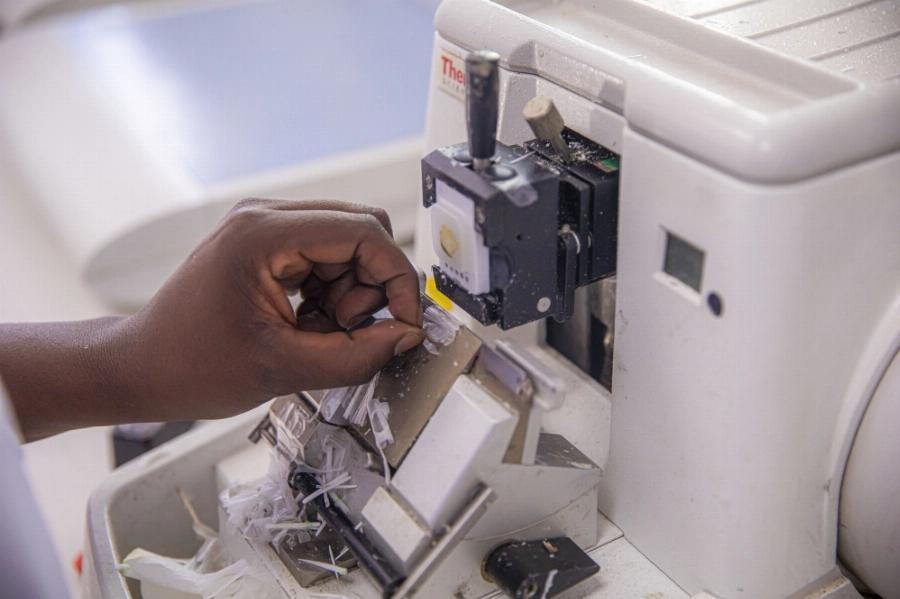
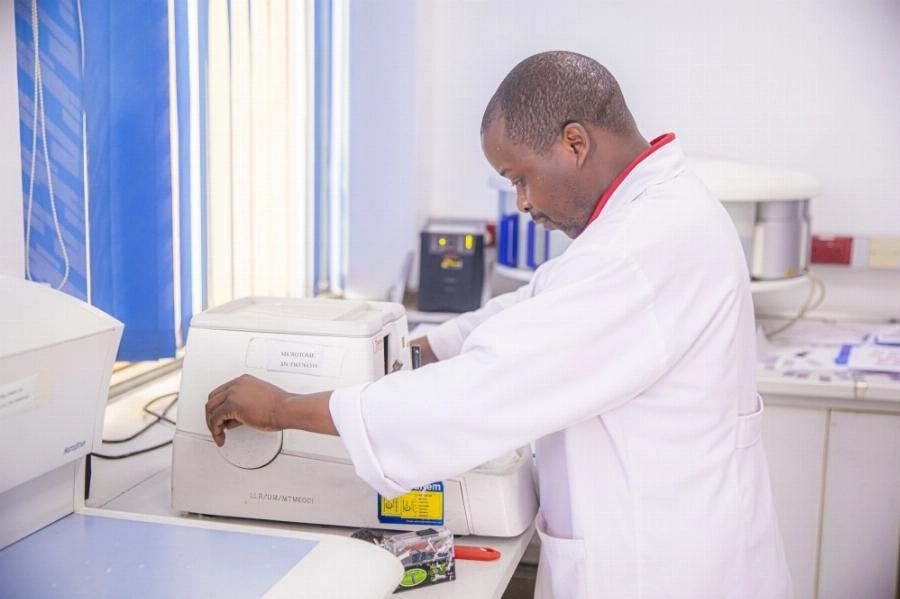
Lab technician at Cerba Lancet Rwanda operates a microtome, preparing precise tissue samples for analysis to support accurate medical diagnoses.
“When clinicians receive results faster, they can make quicker decisions about treatment,” Dr Mukagatare notes. “That directly improves patient outcomes.”
Parallel investments in antimicrobial resistance surveillance have expanded bacteriology and susceptibility testing at district level, a critical step in addressing drug-resistant infections.
The power of networks and persistent challenges
As part of a network operating across 14 African countries, Cerba Lancet Rwanda can process rare tests regionally while keeping patients at home.
“Some tests are requested only once or twice a year,” Ntezimana explains. “It doesn’t make sense to install every platform locally. Instead, we process those samples within our network, and the patient continues care here.”
Despite progress, challenges remain particularly around pricing. Laboratory tariffs were set in 2017 and have not been adjusted to reflect rising operational costs, most of which are tied to imported equipment and reagents paid for in foreign currency.
“Quality diagnostics are capital-intensive,” Karenzi says. “But even under financial pressure, quality cannot be compromised.”
Trust, evidence and a changing mindset
Technology and decentralisation are reshaping how patients interact with laboratories. Digital reporting now allows results to be shared electronically, reducing unnecessary travel and speeding up consultations.
Expansion beyond Kigali including facilities in Musanze and Rubavu is improving access outside the capital.
For patients like Byukusenge, the transformation is deeply personal.
“In my case, the result from Rwanda was repeated abroad and matched exactly,” she says. “That gave me confidence.”
Years of dependence on foreign referrals shaped scepticism toward local services. But as results prove consistent, that mindset is slowly shifting.
“When people know accurate testing is available closer to them, they are more likely to seek care early,” Dr Mukagatare says. “That strengthens trust in the system.”
Laboratory medicine rarely draws attention like surgery or new drugs. Yet it underpins both determining transplant eligibility, cancer staging, infection control and chronic disease monitoring.
For More News And Analysis About Rwanda Follow Africa-Press