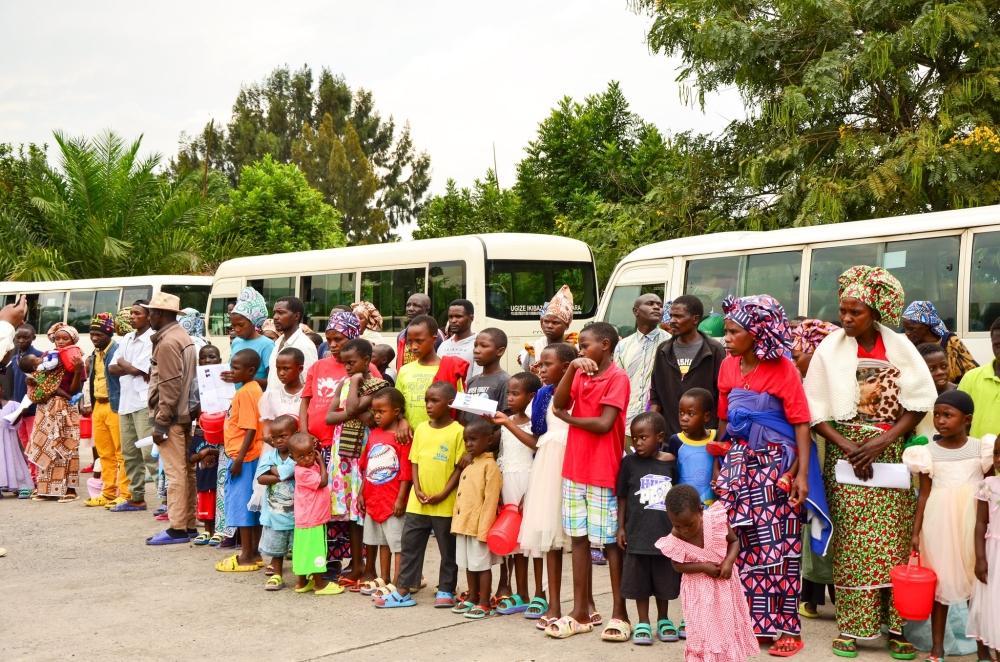
Africa-Press – Rwanda. Esperance Muhoza, 30, is among the 161 Rwandans who returned from eastern DR Congo on Tuesday, February 10, through the Grande Barrière border post in Rubavu District.
The mother of three will now head to Kanama Sector in Rubavu, where she has relatives. She recalls months of desperation—running for safety and sleeping in bushes amid persistent fighting involving various militia groups in the neighbouring country.
“We have been sleeping in bushes because of the wars. That’s why I decided to come back home after my husband passed away a few months ago,” Muhoza said. “Things were not easy.”
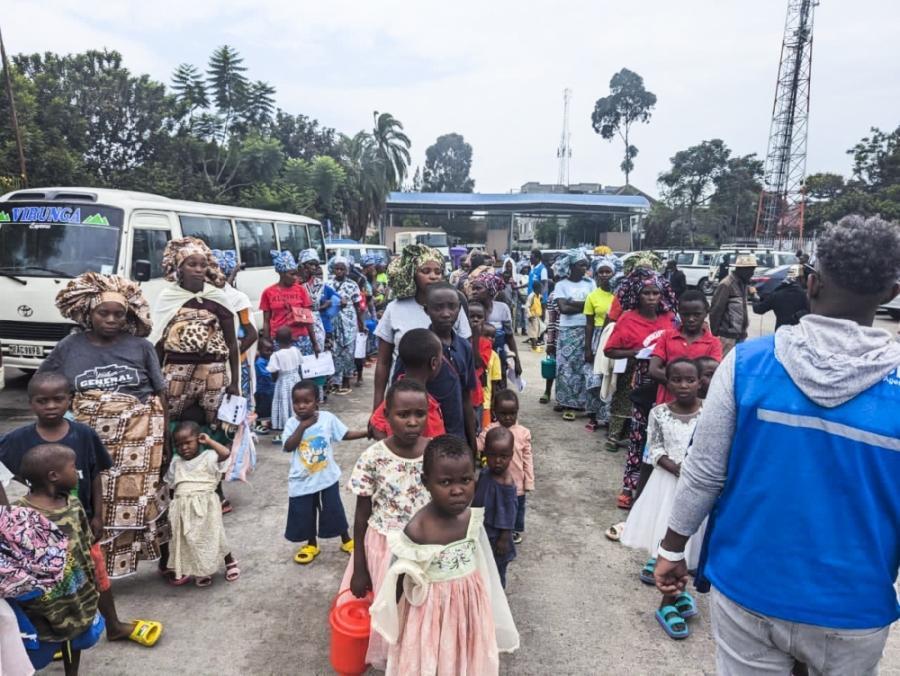
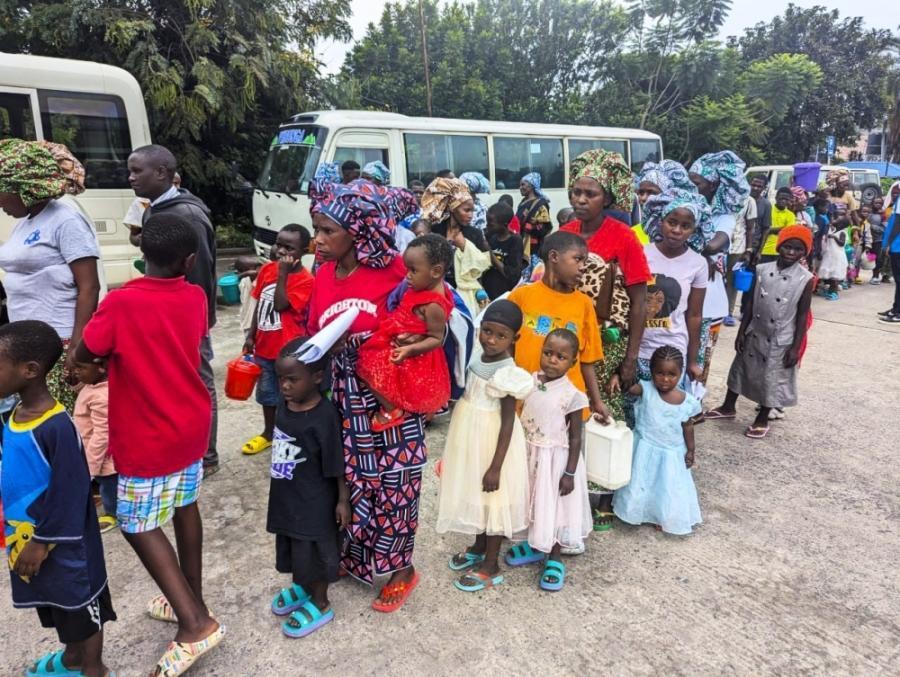
A total of 161 returnees reach at Rubavu border on February 10. Germain Nsanzimana
Since January 2025, most returnees have been women and children, alongside a small number of elderly and frail men. Several women said their husbands were either fighting with the Democratic Forces for the Liberation of Rwanda (FDLR), died in combat, or abandoned their families.
“People are told that anyone who tries to return will be jailed or killed,” said Francoise Mukantwari, 39, whose husband, an FDLR member was killed in fighting. “They don’t want anyone to go back home. If they catch you trying to leave, they kill you.”
Another returnee, Alice Mukamulisa, 65, said life in the jungles had become unbearable. “We were tired of living a miserable life,” she said, thanking authorities for a safe return.
Many of the returnees were born in DR Congo to parents who fled Rwanda in 1994. For them, the journey back marks the end of years of fear and insecurity imposed by armed groups, including the FDLR and Wazalendo militias.
“The FDLR and perpetrators of the 1994 Genocide against the Tutsi kept telling us Rwanda was unsafe,” said Jeanine Gwerekana, 32, who fled to Rutshuru territory in 1994. “They threatened anyone who wanted to leave.”
Returns have increased following the capture of large parts of eastern DR Congo by the AFC/M23 armed group in late January 2025, after heavy fighting involving the Congolese army (FARDC) and its allies, including the FDLR, Wazalendo militias, Burundian forces, and the South African-led SADC mission.
The FDLR which was founded by remnants of perpetrators of the 1994 Genocide against the Tutsi—has long collaborated with FARDC, according to demobilised fighters who have since been reintegrated in Rwanda.
They will be accommodated at the Kijote Transit Centre in Nyabihu District. Germain Nsanzimana
“The Kinshasa government gave us mining sites and supported us with money to buy arms,” said Lt Col (Rtd) Emelien Mpakaniye, a former FDLR fighter who worked on logistics and identifying mining sites.
The UN-sanctioned group has suffered setbacks following the loss of its strongholds, allowing many civilians and their families to escape what they describe as years of captivity.
Figures from the Ministry in Charge of Emergency Management (MINEMA) show that nearly 6,000 Rwandans have been repatriated from eastern DR Congo since January 2025, most of them from conflict-ravaged Masisi territory and surrounding areas.
The repatriation process continues in line with a high-level meeting on voluntary return held in Addis Ababa in June 2025 between Rwanda, DR Congo and the UN Refugee Agency (UNHCR).
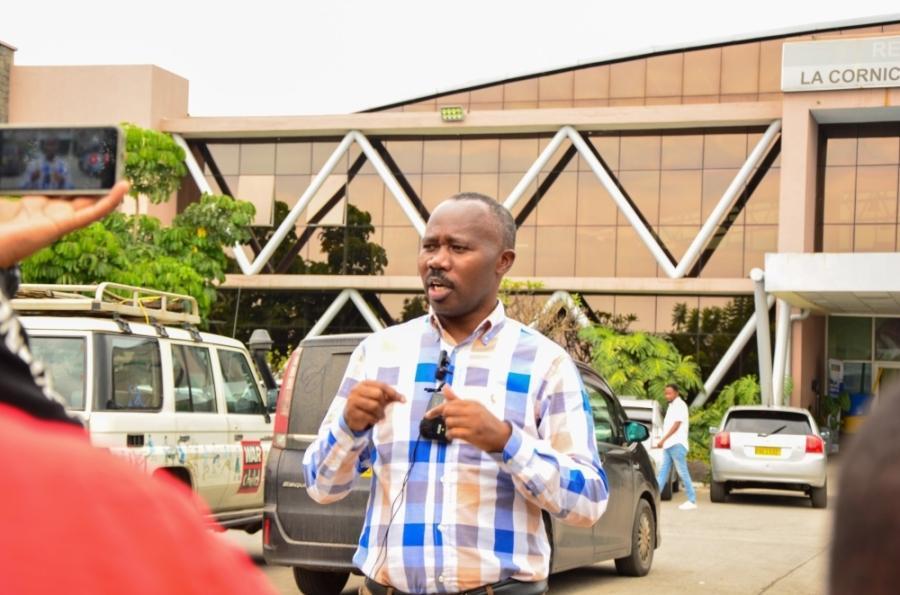
Mayor of Rubavu District Prosper Murindwa addresses new returnees at the border. They will be accommodated at the Kijote Transit Centre in Nyabihu District. Courtesy
Welcoming the latest group in Rubavu, District Mayor Prosper Mulindwa praised the decision to return and urged the new arrivals to prioritise self-development.
“We do not want to see you living the way you did in the jungles,” Mulindwa said. “We want to hear success stories—that your children are in school, that you have joined savings groups, and that you are taking advantage of the opportunities available, including electricity, education and other infrastructure in your communities.”
MINEMA says more than 3.5 million Rwandans have been repatriated from DR Congo over the past three decades, while Rwanda currently hosts over 100,000 Congolese refugees.
For More News And Analysis About Rwanda Follow Africa-Press