Alice Kagina
Africa-Press – Rwanda. For the past few months, I have immersed myself in the world of nuclear energy and I can truly say that while the science of atoms, isotopes, reactors, and radiation initially seemed intimidating, it has revealed a fascinating realm of possibilities in driving socioeconomic growth – especially, in a country emerging as a tech and industrial hub.
I wouldn’t have imagined going back to my basic knowledge of neutrons and protons. Learning how uranium can be transformed into energy has been eye-opening. This energy can power homes and industries reliably. It also supports medical applications, such as more precise and efficient cancer treatment. In addition, nuclear energy improves agriculture, boosting productivity and extending the shelf life of food.
While Rwanda has made incredible strides in development over the past few decades and stands as a beacon of transformation in Africa, making the desired future as charted in Vision 2050 a reality requires to take a bold and strategic pathway of establishing a sustainable source of energy that is going to fuel the priority sectors of economic development.
To put this into perspective, Rwanda is positioning itself as a financial and technology hub with Artificial Intelligence taking the lead, and data centres at the core. With the growing population, rapid urbanization, industrial development, agriculture modernization, and climate action, nuclear energy offers a reliable, clean and scalable source of energy solution.
Currently, Rwanda’s access to electricity is 84.6 percent with approximately 77kWh per capita energy consumption. The target is to achieve 100 percent electrification and 1,026 kWh per capita energy consumption by 2035 and 3,080 kWh per capita energy consumption by 2050.
The available domestic energy sources are not sufficient in the long-term perspective to meet the demand for 2.5 to 4.5GW of generating capacity by 2050.
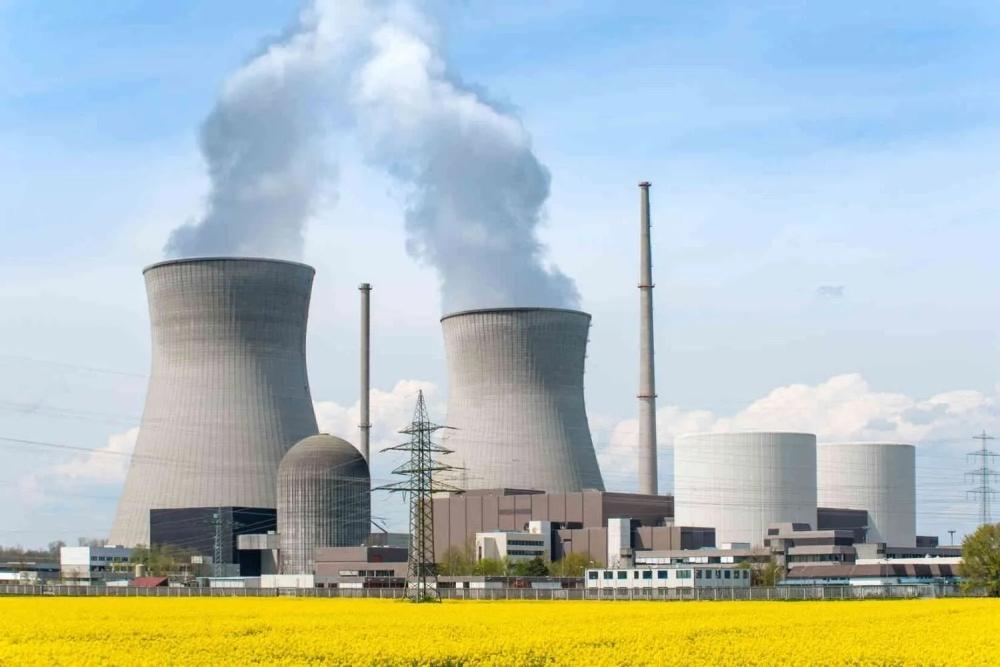
With the visionary leadership, the country is developing a nuclear energy programme that will be able to deliver on the development promises, where nuclear power production based on Small Modular Reactors (SMR) technology will complement the existing energy mix, contributing at least 110MW in the early 2030s.
With such stable, high-capacity, and low-carbon source of electricity, nuclear power means that industries can operate reliably, hospitals can provide uninterrupted care, and schools and homes can have dependable access to energy.
Beyond power production, nuclear energy benefits can be seen in medicine at Rwanda Cancer Centre through life-saving equipment, isotope hydrology for management of water resources, and mutation breeding research in agriculture, among other areas. Among ongoing projects of Rwanda Atomic Energy Board (RAEB) is the Centre for Nuclear Science and Technology that will harness the peaceful uses of nuclear energy and drive innovative solutions across sectors.
However, a critical pillar of Rwanda’s nuclear energy programme is human capacity development. Through partnerships, the government is investing in nurturing a pool of highly skilled professionals capable of implementing and sustaining nuclear projects.
Currently, more than 200 young professionals have graduated in nuclear-related fields at different academic levels from foreign partner universities. Yet, another milestone remains the introduction of Nuclear Science and Technology programme at the University of Rwanda-College of Science and Technology which will be key in the localization capacity building efforts to produce scientists and technologists with skills and technical competencies in this industry while upholding the strict safety and security standards it demands.
As I reflect on World Nuclear Energy Day, celebrated each year on December 2, nuclear energy is not merely an option. It is a strategic tool to address climate change, energy security, and sustainable development. By investing in advanced nuclear technologies, building local expertise, and establishing robust regulatory frameworks, Rwanda positions itself as a regional hub for nuclear knowledge, research, and innovation.
Now to address the question on the street; is Rwanda going for nuclear weapons? The answer is that Rwanda is a member of the International Atomic Energy Agency (IAEA), signifying a commitment to using nuclear technology for peaceful purposes while also establishing international standards for safety and security.
It is important for young people – those choosing to shape the future they want their generation and the next to live in – to understand, engage, and contribute in not only setting the pace of the country’s development but also ensuring that Africa does not continue to play catch up in this journey.
Nuclear power plants operate for 40 years and the lifespan can be extended to 60 or even 80 years. Years of steady and safe power, years of accelerated development. And remember, this nuclear energy offers lifetime socioeconomic benefits across other sectors. This is the path drawn before us, a responsibility to take.
Source: The New Times
For More News And Analysis About Rwanda Follow Africa-Press