Africa-Press – Rwanda. Senators have commended the heroism of former students of Nyange Secondary School who refused to give in to insurgents’ orders to separate based on ethnic lines as they attacked the school in 1997.
They said that this kind of heroism should set a good example for other Rwandans, especially the youth who are the key driver of the country’s progress once they put their force to good use.
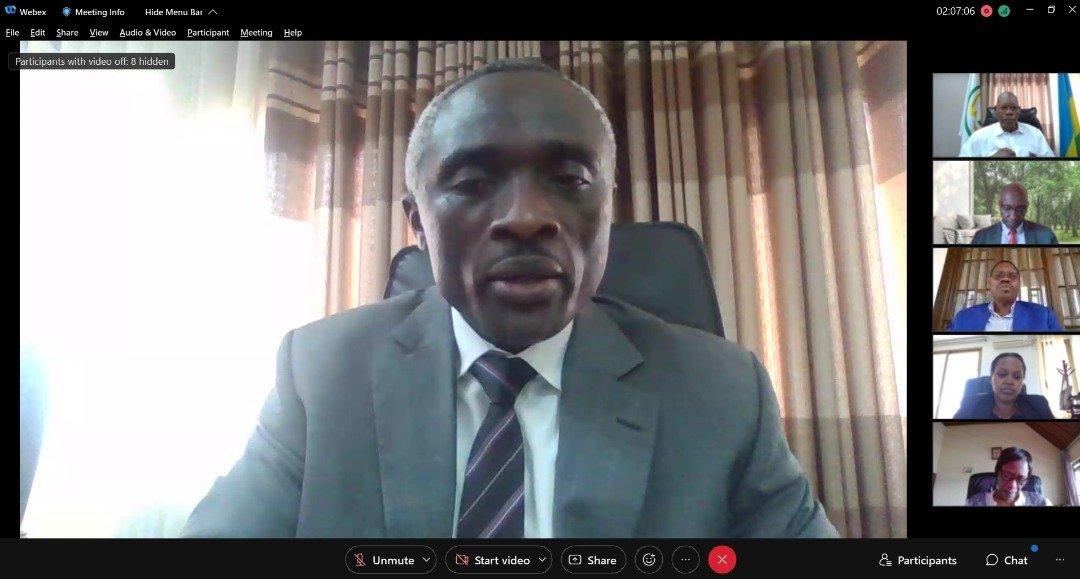
They said this on Thursday, January 27, during a virtual talk related to National Heroes’ Day, which is set to be marked next week on February 1. The discussions by the Upper Chamber were organized in line with week dedicated to heroism, which started from January 21 and runs through 31st.
Nyange (students) Heroes are classified in Imena – a category of heroes who are reputed for their extraordinary acts for the country which are characterised by supreme sacrifice, high importance, and example.
Senators underscored that heroic acts must continue to be endorsed, and committed themselves to play a part to that end. The Senate is in charge of monitoring the application of fundamental principles including that on the promotion of national unity.
Nyange Secondary School students became famous for their heroism as they stood united when the Interahamwe militiamen, who infiltrated the school on March 18, 1997, ordered them to separate out the students according to ethnic lines as they wanted to kill the Tutsi ones.
The students in question are those who were in senior five and six. Both the classrooms had 47 students. By the end of the attack on the night of March 18, 1997, six students lay dead. Two others died later, meaning that 39 are still alive.
Phanuel Sindayiheba, president of Komezubutwari, an association of the Nyange attack survivors told Senators that the students told the militiamen that there were not Hutu or Tutsi among them, rather they were all Rwandans.
Later, he said the militiamen tried to single out Tutsi and started killing them. The students decided to force their way out of the classroom. Then, they started throwing grenades onto and shooting them, killing and injuring some of them.
“We were guided by the principle to love our fellow Rwandans, the good and shun evil,” he said, adding that they got that from good values from family, school, and morally right members of the community.
Senator Cyprien Niyomugabo said that the Nyange heroes are a good contrast to villains such as Father Athanase Seromba who ordered the demolition of nearby Nyange Church where [2,000] Tutsi had sought refuge and they all perished.
He indicated that the students can play an important role in teaching unity and reconciliation among Rwandans. “This is a good example that should be used in the unity and reconciliation clubs in schools,” he said.
Senator Emmanuel Havugimana said that the Nyange students’ heroism “is a model feat for the youth in secondary schools and universities that they should emulate in order to understand that they are all Rwandans.”
Senate Vice President in charge of Parliamentary Affairs, Esperance Nyirasafari said she supports the idea that deploying such living heroes means a lot more than just the third part reporting what happened.
“I am of the view that they should be used to continue inspiring the youth to uphold heroic culture, by recounting what happened to them and how they got rid of it, because we are seeing some young people going astray maybe as a result of family influence,” she said.
Meanwhile, she appreciated the fact that one of the former Nyange students, who unfortunately was among those killed during the attack, was a daughter of a man who had a role in committing the Genocide. She chose unity over divisionism with fellow Rwandans.
Senator Jean-Pierre Dusingizemungu said that the Nyange heroes and all the heroes, in general, had one thing in common: their deeds converged to achieving the unity of Rwandans.
He thanked RPF-Inkotanyi’s valor for conveying a message that other people could base on to achieve heroism revolving around the endeavor to attain the unity of Rwandans after it stopped the Genocide.
For More News And Analysis About Rwanda Follow Africa-Press