Julius Bizimungu
Africa-Press – Rwanda. On February 28, the United States and Israel launched coordinated military attacks on Iran. This marked major escalation in the Middle East as Iran retaliated by launching missile and drone attacks across the region.
Qatar, United Arab Emirates (UAE), Saudi Arabia, Oman, Kuwait, and Bahrain, among others, have been the primary victims of Iran retaliatory attacks. These countries collectively account for the largest share of global production of oil and gas.
According to the International Energy Agency (IEA), more than 40 energy assets across nine Middle Eastern countries have been classified as “severely or very severely” damaged by the ongoing conflict.
Speaking at Australia’s National Press Club on March 23, IEA’s Executive Director Fatih Birol warned that the scale of the damage could prolong disruptions to global energy supply chains even after hostilities subside.
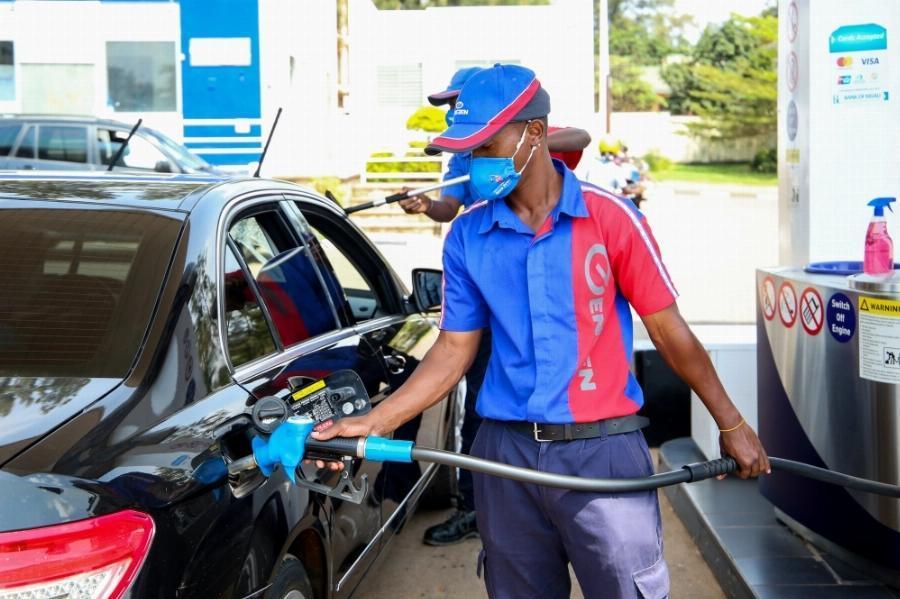
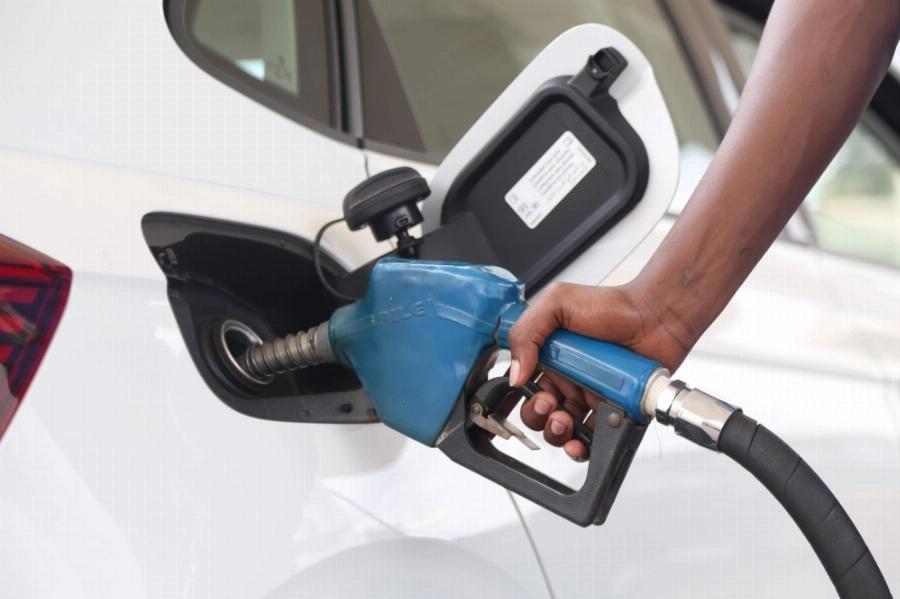
Fuel pump attendant on duty at Downtown petrol station
The destruction of key infrastructure including oil fields, refineries and pipelines, suggests that restoring production capacity will take time, delaying a return to normal supply conditions.
Financial markets have already reacted, with Brent crude prices rising sharply amid concerns over tightening supply and heightened geopolitical risk.
Brent crude oil, the global benchmark for oil, surged by more than 56.7 per cent, rising from around $72 per barrel at the end of February 2026 to about $113 per barrel by March 23, driven by heightened supply concerns and increased market volatility.
European natural gas prices also jumped sharply, with Dutch TTF gas rising by roughly 88 per cent over the same period — from €31.6 to €59.25 per megawatt-hour, underscoring tightening energy markets across the region.
“What we see in global oil prices is a reflection that this particular supply to the global oil market is, for the moment, constrained,” Thierry Kalisa, Chief Economist at the National Bank of Rwanda (BNR) says.
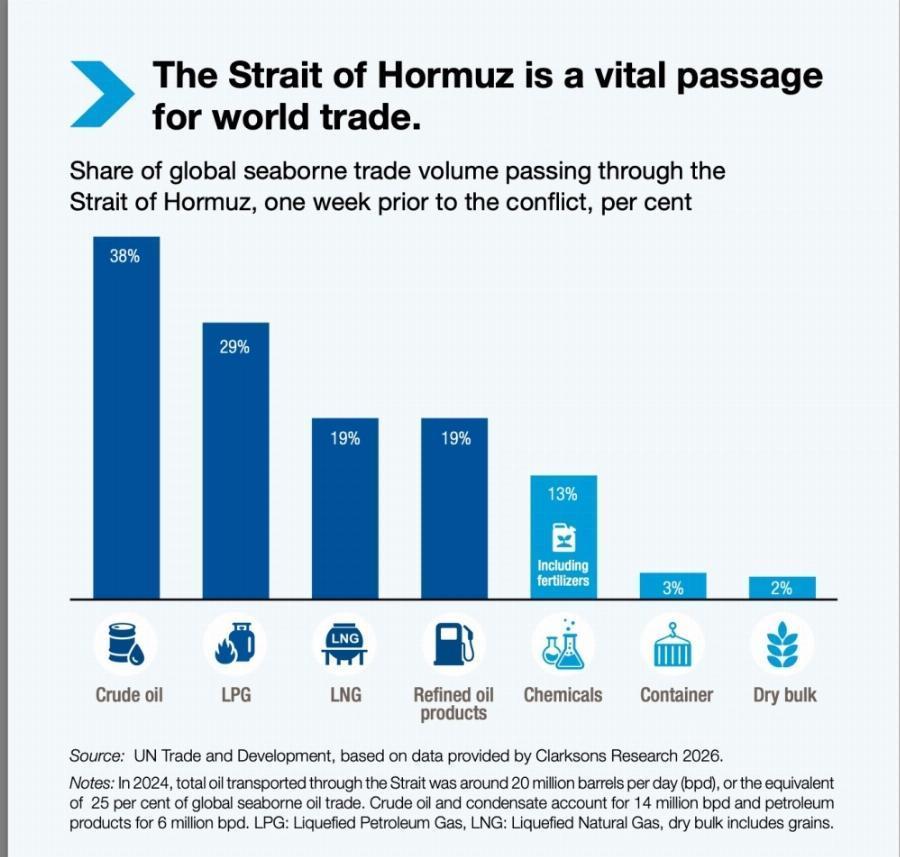
The “particular supply” that he referred to is the Strait of Hormuz, a key transport route for the majority of global oil and gas exports. Situated between Iran and the Gulf, the channel enables transit of over 20 per cent of the world’s supply of oil supplies.
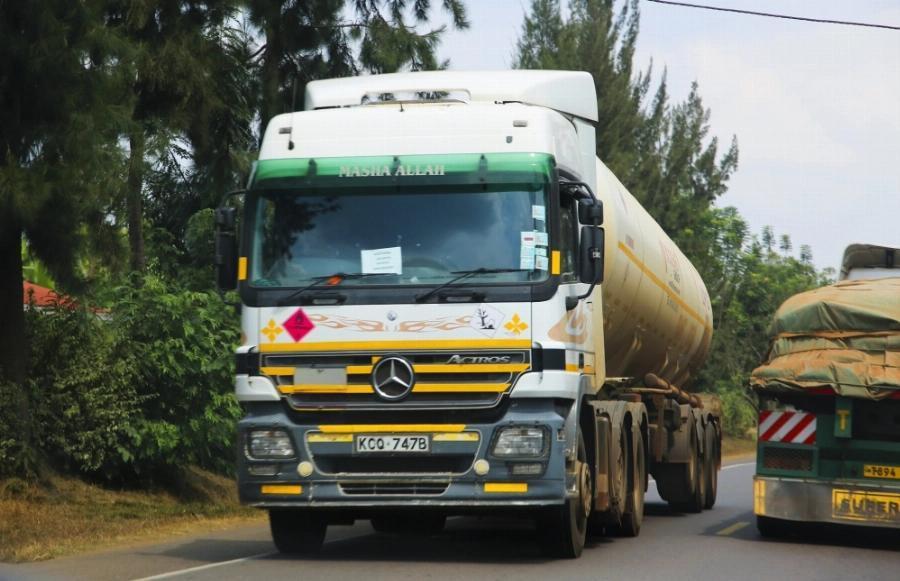
Cross border trucks that transport fuel from Mombasa to Kigali.
In 2024, total oil transported through the Strait was around 20 million barrels per day (bpd), or the equivalent of 25 per cent of global seaborne oil trade, according to the UN Trade and Development (UNCTAD), based on data provided by Clarksons Research 2026.
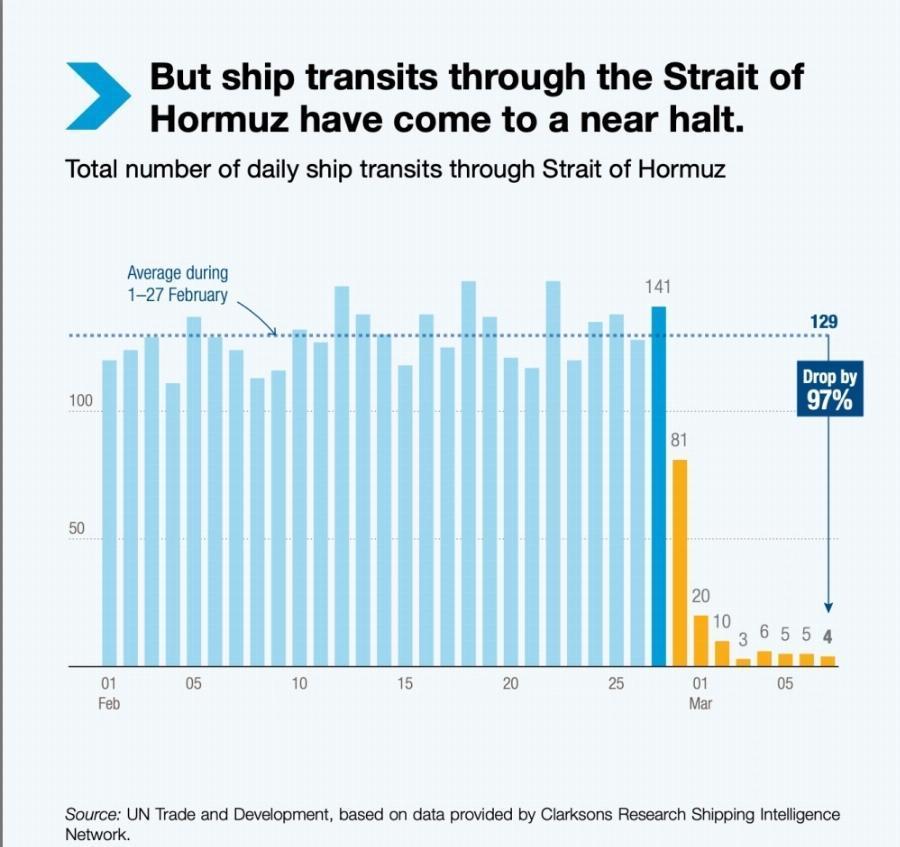
According to the same data, the total number of daily ship transits through the Strait of Hormuz dropped by 97 per cent from 129 to 4 by the end of February.
Moreover, one-third of global seaborne trade in fertilizers passes through the Strait. At least 16 million tonnes of fertilisers transported by sea from the Persian Gulf region in 2024.
This includes major fertilisers that Africa, and Rwanda in particular, relies on for agricultural inputs. At least 67 per cent of urea, and 20 per cent of diammonium phosphate (DAP) were transported through the Strait.
In 2024, Sudan imported 54 per cent of fertilisers from the Middle East, Tanzania 31 per cent, Somalia 30 per cent, Kenya 26 per cent, and Mozambique 22 per cent, according to UNCTAD data.
“We know that there could be implications for fertilizer prices [for Rwanda],” Kalisa says.
Rwanda imported $26 million worth of fertilisers from the region in 2025, representing 32 per cent of its total fertilisers, data obtained from BNR shows.
“The first channel that we are worried about is through imported inflation, because if these prices remain high, it can affect them,” he admits, suggesting that a prolonged war would have a far greater impact on fuel prices domestically.
The central bank expects inflationary pressures to remain elevated for much of the year, with headline inflation projected to stay above the 8 per cent upper bound of its target range.
Inflation rose to 7.4 per cent in the fourth quarter of 2025, up from 5.2 per cent in the same period a year earlier, before accelerating further to 8.9 per cent in January and 9.2 per cent in February.
In response, the Monetary Policy Committee (MPC) of the National Bank of Rwanda initiated a tightening cycle, raising the policy rate by 50 basis points to 7.25 per cent in an effort to contain mounting inflationary pressures.
Middle East dependence
Rwanda’s trade ties with the Middle East have expanded significantly in recent years, with the region playing a central role in the country’s energy supply chain.
The Middle East accounts for 57 per cent of Rwanda’s total petroleum imports.
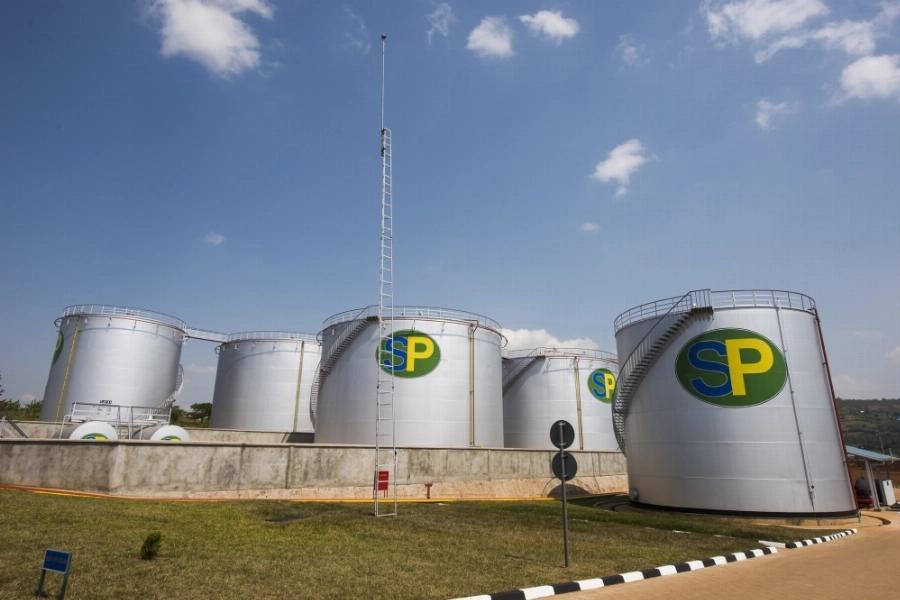
National petroleum storage at Rusororo in Gasabo District.
The UAE is the single largest source, accounting for 37 per cent of Rwanda’s petroleum imports in 2025, equivalent to $202 million, according to data obtained from the central bank.
To illustrate the exposure, a significant share of the fuel consumed in Rwanda, including gasoline, diesel, jet fuel, and liquefied petroleum gas (LPG), is refined in major oil and gas hubs across the UAE, Saudi Arabia, Kuwait, Bahrain and Oman.
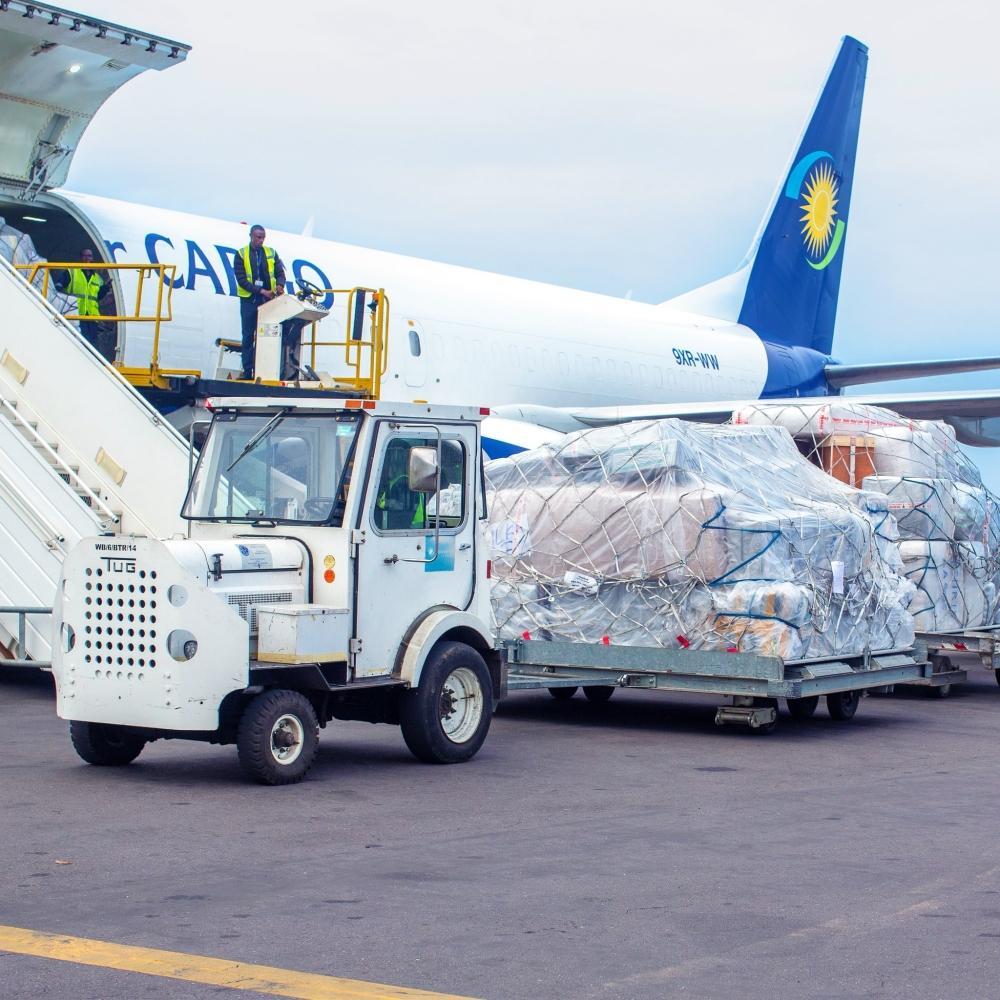
Oil and gas tankers destined to Africa depart from the Persian Gulf, exit the Strait of Hormuz, cross the Arabian Sea, enter the Indian Ocean, sail toward East Africa, and offload at ports of Mombasa in Kenya and Dar es Salaam in Tanzania.
From the ports of Mombasa and Dar Es Salaam, fuel shipments to Rwanda exit inland via road tankers. Rwanda relies on the Northern and Central corridors to get its shipments.
Given the distance and multi-stage supply chain, delivery timelines can extend over several weeks, and in some cases months, from origin to final destination.
With the closure or blockade of the Strait of Hormuz, this implies the time it takes to ship petroleum products, fertilisers, and other key products, will take lengthy periods.
This does not only affect imports. It also affects exports.
Rwanda exports a significant share of its tea, minerals, and horticultural products—including vegetables, fruits, and flowers—to the Middle East.
Fruit exports to the region alone accounted for 26.27 per cent of Rwanda’s total fruit exports in the 2023/2024 fiscal year, according to the National Agricultural Export Development Board (NAEB).
Meanwhile, exports to the United Arab Emirates reached $54.49 million in the fourth quarter of 2025, representing 14.51 per cent of the country’s total exports, based on data from the National Institute of Statistics of Rwanda (NISR).
Exports to the UAE stood at $1.55 billion in 2024, accounting for nearly 64 per cent of the country’s formal goods exports, a 2024 report by Rwanda Development Board (RDB) shows.
Domestic price shocks
Eric Herbert Mutaganda, Chairman of the Rwanda Association of Petroleum Products Importers (ASSIMPER), says suppliers are likely to factor in the recent surge in fuel prices when negotiating future supply arrangements.
Fuel pump attendant on duty at Downtown petrol station.
“Prices on the international market have increased significantly. Suppliers will take this increase into consideration going forward,” he notes.
Mutaganda adds that a tonne of diesel, for instance, was previously priced at around $600 per metric tonne before recent global market disruptions, but has since risen significantly.
Rwanda’s fuel supply is heavily dependent on imports routed through Tanzania’s bulk procurement system, where fuel is sourced globally and distributed regionally.
Fuel importers place their orders via the Tanzania Petroleum Bulk Procurement Agency (PBPA), which aggregates demand from several countries, conducts international tenders, and secures fuel from global suppliers.
Prices, particularly for fuels, are benchmarked against an international index called Platts, making the country highly exposed to global market fluctuations.
Major importers typically place orders through extended contracts, often spanning up to 60 days.
“Those buying on the spot are already feeling the pinch, because suppliers are already speculating,” Mutaganda observes.
Despite concerns over potential supply disruptions, Mutaganda emphasises that Tanzania’s diversified sourcing provides some assurance.
“Suppliers have assured us that the supply will continue, but at an updated price. That is because Tanzania has multiple suppliers from Singapore, India, and Rotterdam, among others,” he says.
According to the association, Rwanda imports approximately 50 million litres of fuel per month, comprising about 25 million litres of diesel, 15 million litres of gasoline, and 10 million litres of jet fuel.
The country relies entirely on imported refined petroleum products, including diesel, gasoline, kerosene, jet fuel, LPG, bitumen, and heavy fuel oils used in industry.
It also imports petroleum-based derivatives such as plastics and fertiliser inputs.
With prices expected to surge, consumers are likely to bear the brunt of the increase unless the government steps in through subsidies or tax adjustments.
Last week, Nick Barigye, BNR Deputy Governor, said the central bank is working closely with government institutions to maintain energy price stability while safeguarding broader macroeconomic conditions.
Nick Barigye, Central Bank Deputy Governor.
He noted that the response is being coordinated through the Prime Minister’s Office, with participation from key ministries, including trade and industry, finance, and infrastructure.
“This coordination looks at how we can create buffers to absorb shocks that we see. There are also efforts aimed at creating more energy independence,” he noted.
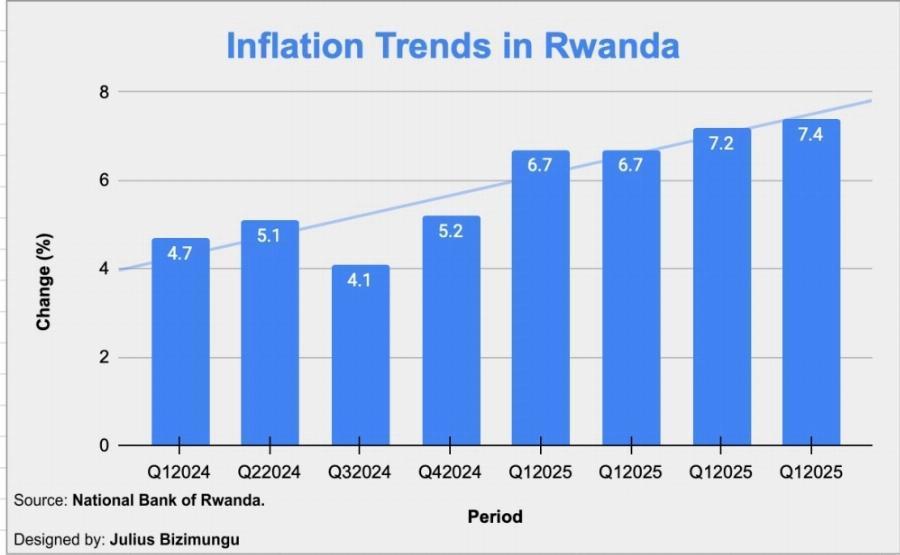

Source: The New Times
For More News And Analysis About Rwanda Follow Africa-Press