Africa-Press – Rwanda. Mental health has long been a taboo subject in Rwanda, with stigmatisation and discrimination against people with mental illness being common. However, activists in the country are working to break down these barriers and shed light on the importance of seeking help and customisation of therapies for those struggling with mental health issues.
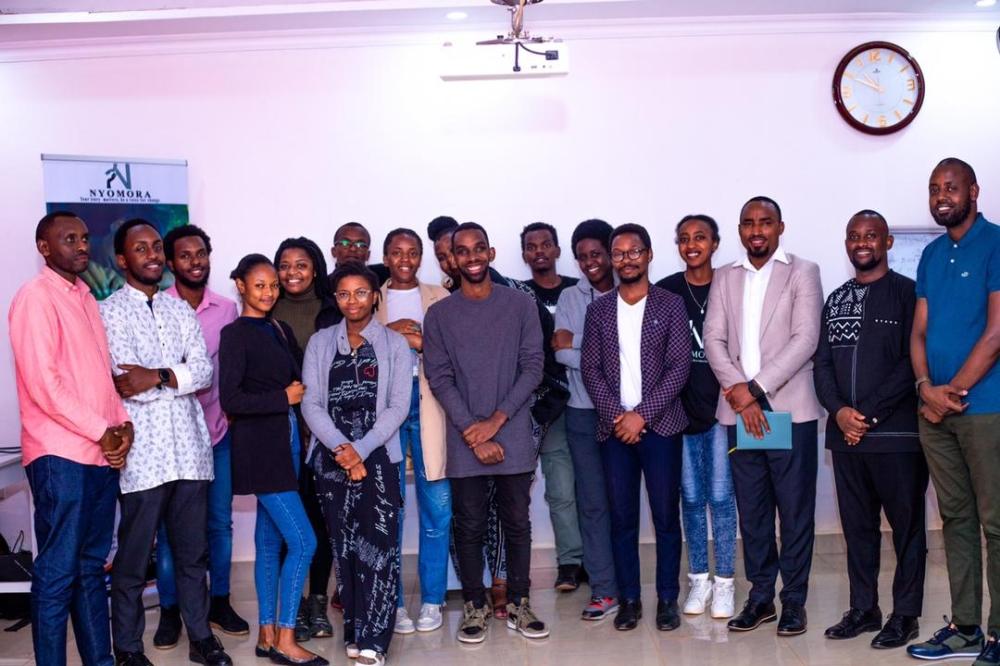
Nyomora, a local organisation dedicated to promoting healing and mental well-being, organised a thought-provoking discussion titled “A Rundown on Mental Health,” on Sunday evening at AOG Ingenzi in Kimironko.
The discussion gathered mental health activists, counselors, and psychotherapists, among other people, who shared their insights and experiences on the importance of community healing and the need for tailored therapies.
Dr. Jean Pierre Ndagijimana, a psychotherapist at Solid Minds, emphasized the importance of embracing the process of making new mistakes while reducing old ones as a means of promoting one’s mental well-being.
To help those who may not seek mental health advice, such as individuals struggling with alcohol addiction or generational gaps between youth and elders, Dr. Ndagijimana suggests sending them videos with positive content and seeking out common ground and building trust, cautioning against approaching a vulnerable person in a way that may push them away.
Ndagijimana also suggested involving a trusted friend or family member who the person trusts and respects, and seeking help for the entire family, as mental illness in one family member may indicate the presence of similar issues in others.
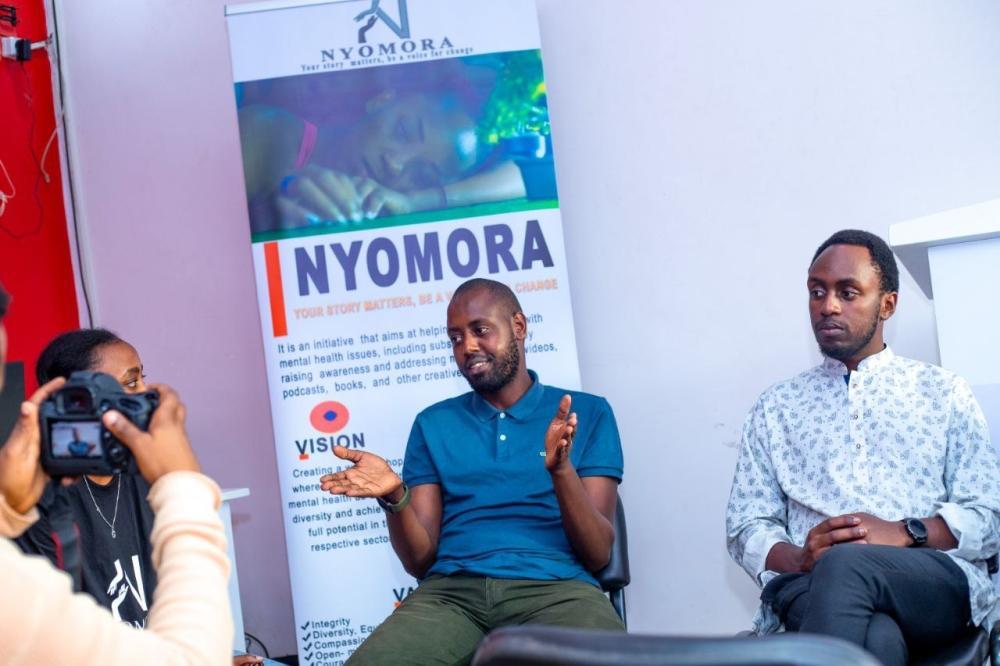
Dr. Jean Pierre Ndagijimana, a psychotherapist at Solid Minds speaking during the session.
Tailoring support to the individual’s unique needs and experiences is key, Ndagijimana emphasized, urging the audience to draw from their personal experiences and share stories from them as it can be therapeutic.
He also emphasized to the audience that although professionals can provide valuable support, they are not the ultimate authority on an individual’s life, thus encouraged the use of community healing as a supplementary approach to mental health treatment.
James Mugambe, the Founder and Executive Director of Safe Place organization, discussed how to support friends through observing changes in behaviour and considering their past.
He urged the audience to listen for what is not being said and paying attention to what is not visible on the surface when they notice such changes in someone.
Mugambe also highlighted the significance of customizing mental health therapies to align with the culture of the individuals being helped. Rather than simply copying therapies from other countries, he said, it is more significant to tailor approaches to fit the unique cultural backgrounds and experiences of those seeking help.
James Mugambe, the Founder and Executive Director of Safe Place organization during the discussion.
Divine Akimana, author and mental health activist asserted that supporting someone through a mental health crisis involves active listening and being available to discuss their experiences.
“Even if they are not ready to open up,” she explained, “letting them know that you are there for them can make a significant difference.”
Akimana also stressed the importance of taking care of mental health on a daily basis, as professionals may not always be accessible, declaring that “sometimes, having a friend who can listen without judgment is all that is needed.”
However, if the individual requires professional help beyond one’s understanding, or if “you” are also struggling, Akimana recommends seeking out a mental health professional.
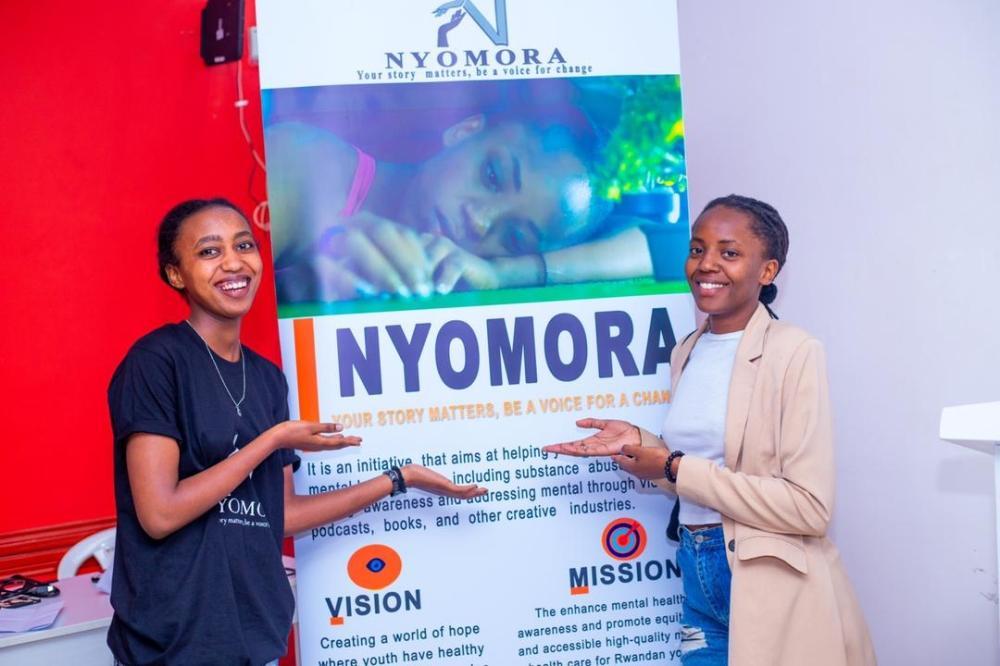
Divine Akimana
By bringing together experts in the field and creating a safe space for open dialogue, Nyomora is helping to break down the stigma surrounding mental health and encouraging individuals to seek the support they need.
Richard Barigira Gotzen, the founder and Executive Director of the organisation says that healing should reach beyond its members to the wider community facing mental health issues or other issues affecting the Rwandan community.
He said the initiative aims to listen to people, offer help where possible, and ultimately reduce the number of suicides and people with different mental health issues.
Gotzen urged the youth to take up the fight against mental health issues, emphasizing that failing to teach, discuss and help people with mental health issues would create more problems for future leaders and parents.
Richard Barigira Gotzen, Founder and Executive Director of Nyomora speaking during the event.
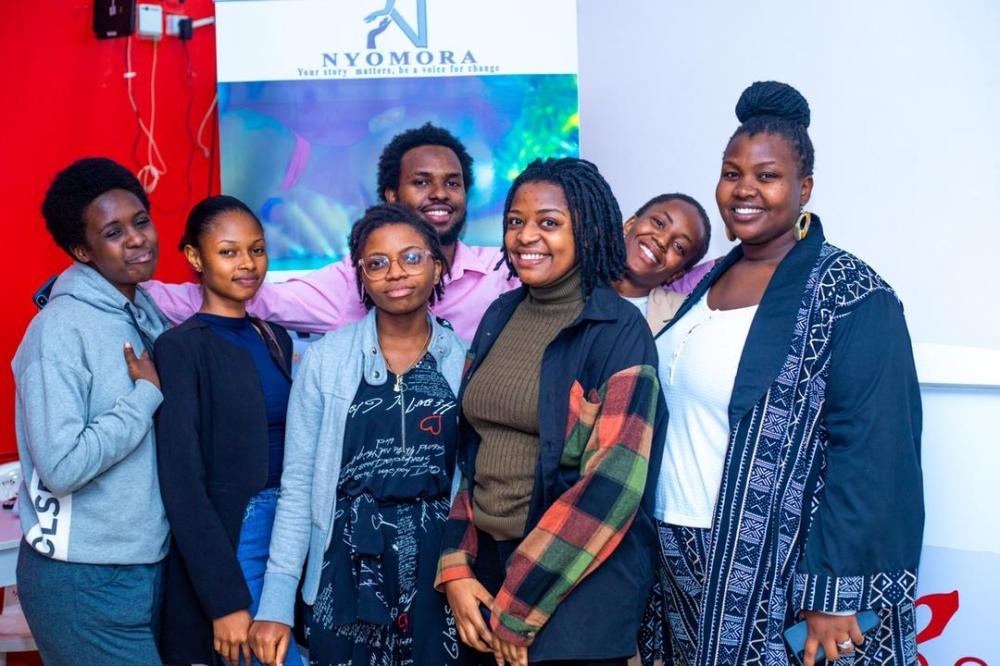
Members of Nyomora



For More News And Analysis About Rwanda Follow Africa-Press