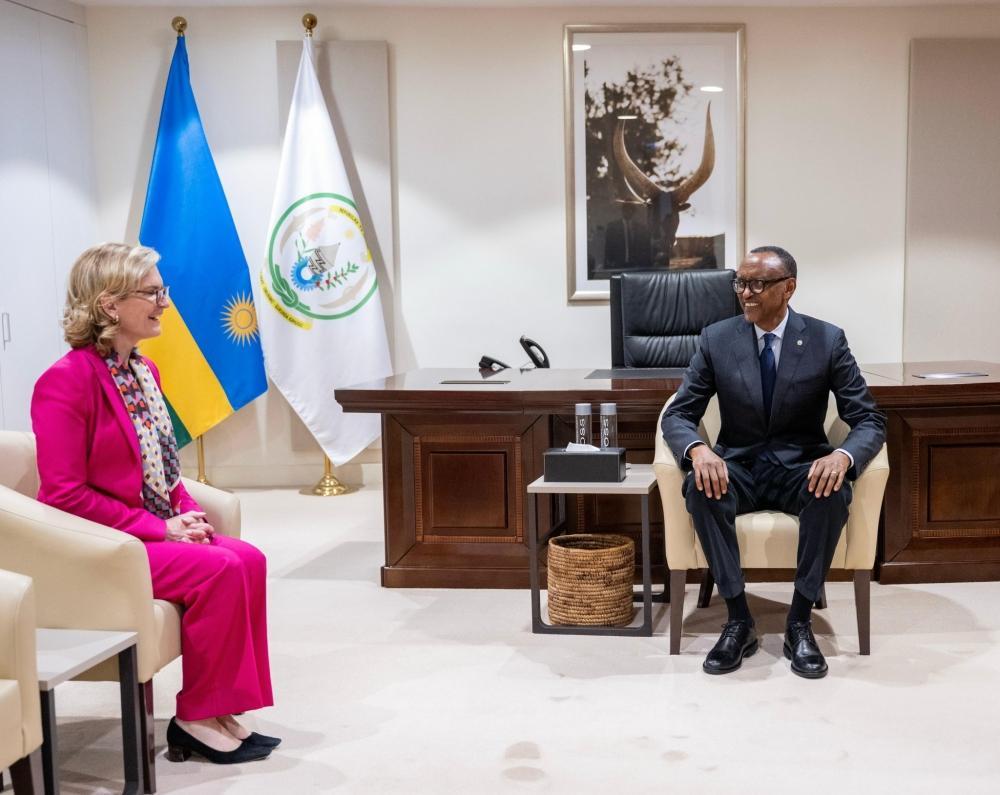
Africa-Press – Rwanda. President Paul Kagame met with the Secretary-General of the International Telecommunication Union (ITU), Doreen Bogdan-Martin, on Thursday, April 3, to discuss key partnerships in the digital sector.
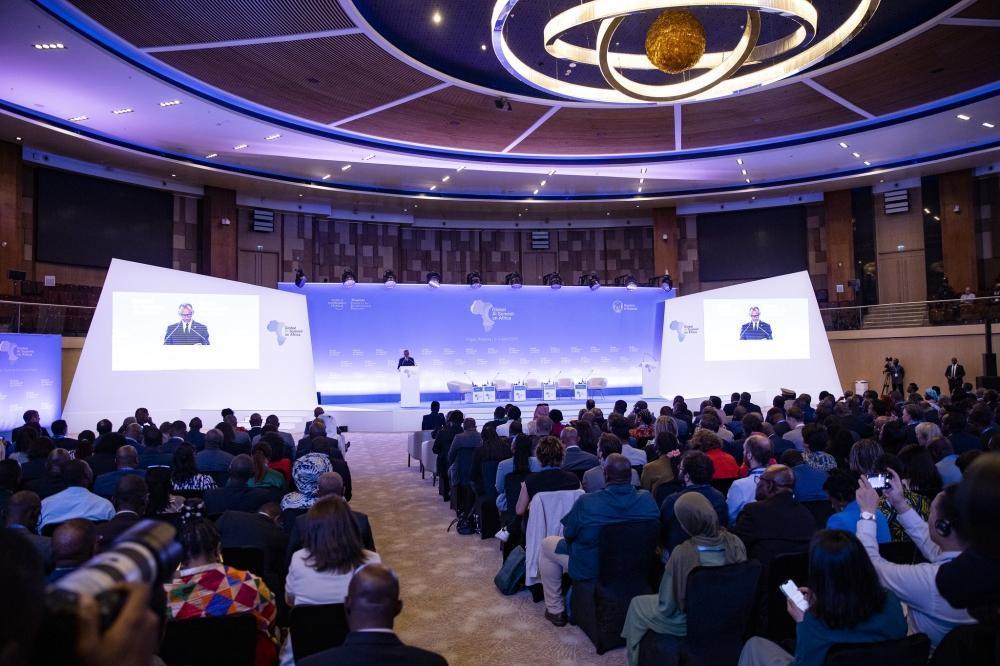
The meeting took place on the sidelines of the two-day Global AI Summit on Africa, which is being held in Kigali from Thursday.
According to a statement from Village Urugwiro posted on X, their discussions focused on “strengthening partnerships focused on advancing digital solutions and technology-driven development.”
President Kagame also held talks with Amandeep Singh Gill, the UN Under-Secretary-General and Special Envoy for Digital and Emerging Technologies, who also attended the AI summit.
The inaugural Global AI Summit on Africa, which has attracted some 1,000 government officials, private sector actors and tech experts from around the world, is seen as an opportunity for the continent to deliberate its role in the emerging technologies.
Opening the summit, Kagame said the African continent “can’t afford to be left behind” in the rapidly advancing technologies such as artificial intelligence.
“Africa can’t afford to be left behind, once again playing catch up. We have to adopt, cooperate, and compete because it is in our best interest to do so. That is why we are here,” he said.
The President said there is an urgent need for strategic investments in digital infrastructure, workforce development, and continental integration for Africa to secure its AI-driven future.
African countries are working towards the creation of a continent Artificial Intelligence (AI) fund that will finance the much-needed infrastructure, skills, and energy to drive AI adoption and transformation.
This was disclosed at the ongoing Global AI Summit on Africa held under the theme “AI and Africa’s Demographic Dividend: Reimagining Economic Opportunities for Africa’s Workforce.”
It brought together more than 1,000 participants including global leaders, government ministers, heads of state, tech giants, investors, academics, and researchers.
Speaking at this summit, President Paul Kagame argued that there is an urgent need for strategic investments in digital infrastructure, workforce development, and continental integration for Africa to secure its AI-driven future.
“Africa can’t afford to be left behind, once again playing catch up. We have to adopt, cooperate, and compete because it is in our best interest to do so.”
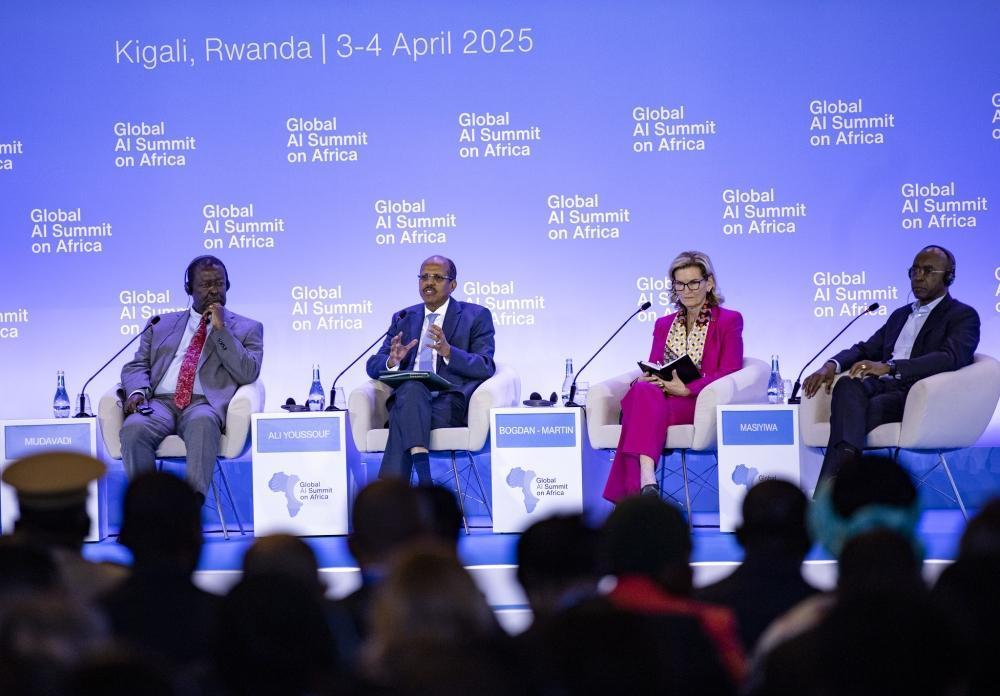
In a panel discussion entitled ‘Africa and the AI Opportunity’, Paula Ingabire, Minister of ICT and Innovation announced: “One of the outcomes we are looking forward to at the end of this summit is the creation of an AI fund where we can have a commitment as African countries, stakeholders and partners to mobilize resources that are needed to develop the much-needed compute infrastructure, talent, and energy.”
Africa only makes up four percent of the global AI workforce, she noted that it is important that all 54 African nations come together to make sure that the continent has the critical mass of people that are going to build innovations that leverage AI and drive development.
By 2030, AI stands to add $19.9 trillion to the global economy—injecting $2.9 trillion into Africa’s economy. This could lift 11 million Africans out of poverty and create 500,000 jobs annually.
With the implementation of the National AI Policy, Rwanda expects an estimated $589 million (approx. Rwf731 billion), representing six percent of Gross Domestic Product (GDP) over the next five years.
James Mwangi, Group Managing Director and CEO of Equity Group Holding, stressed the need to move from the “narrow” mentality that sets apart public and private initiatives to create an AI public infrastructure that benefits the population across the continent.
“We should invest together. I will be rallying for the participation of the private sector to build a public digital infrastructure that benefits all and lifts everybody on the continent.”
Mwangi noted that what will really change the game is adoption of AI by SMEs because it radically improves business intelligence, value chain efficiency, targeted customer support, and the capability to participate and enjoy all the benefits of e-commerce.
Wamkele Mene, Secretary General of African Continental Free Trade Area, maintained that the fund will help mobilize investment in digital public infrastructure to enable economic development.
However, he highlighted that it is important to measure the progress in the number of countries that have actually implemented the harmonized digital single market rules agreed on.
According to Jeremy Jurgen, Managing Director of the World Economic Forum, progress on AI infrastructure could unlock benefits for smallholder farmers, SMEs and more than 800 million youth that are AI-natives.
A panel discussion at the opening of the Global AI Summit on Africa in Kigali on Thursday, April 3. All photos by DAN GATSINZI
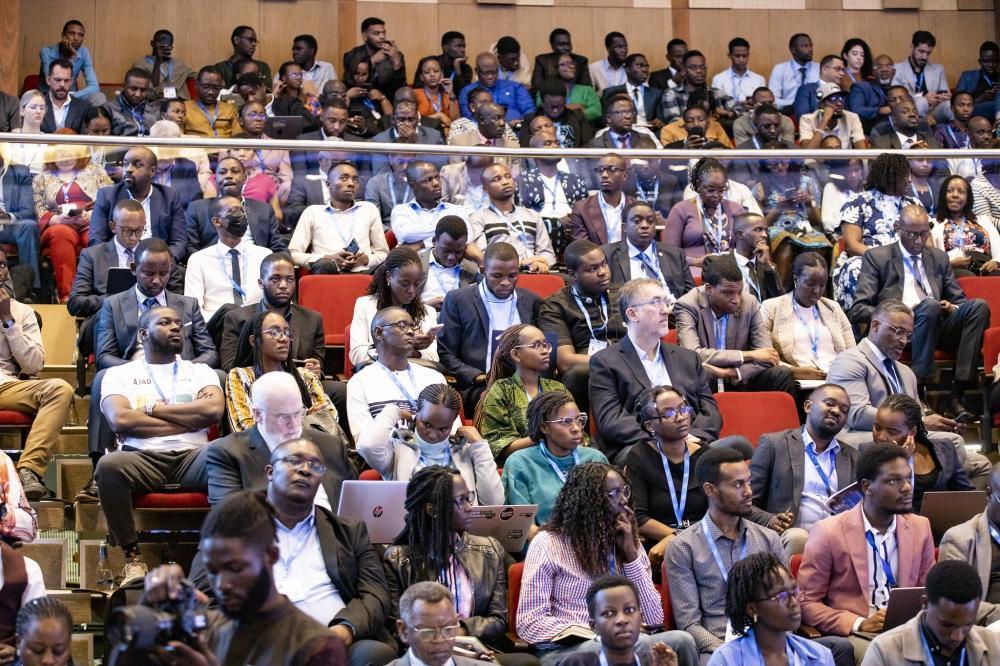
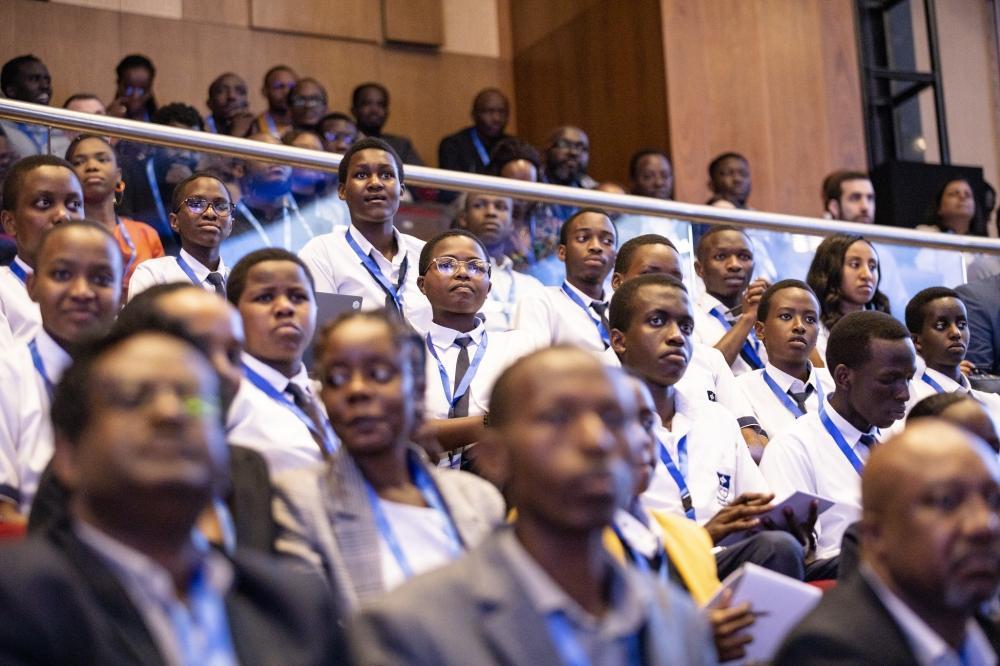
Delegates follow a panel discussion at the opening of the Global AI Summit on Africa in Kigali on Thursday, April 3. All photos by DAN GATSINZI
For More News And Analysis About Rwanda Follow Africa-Press