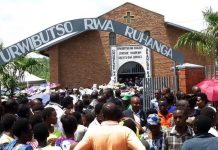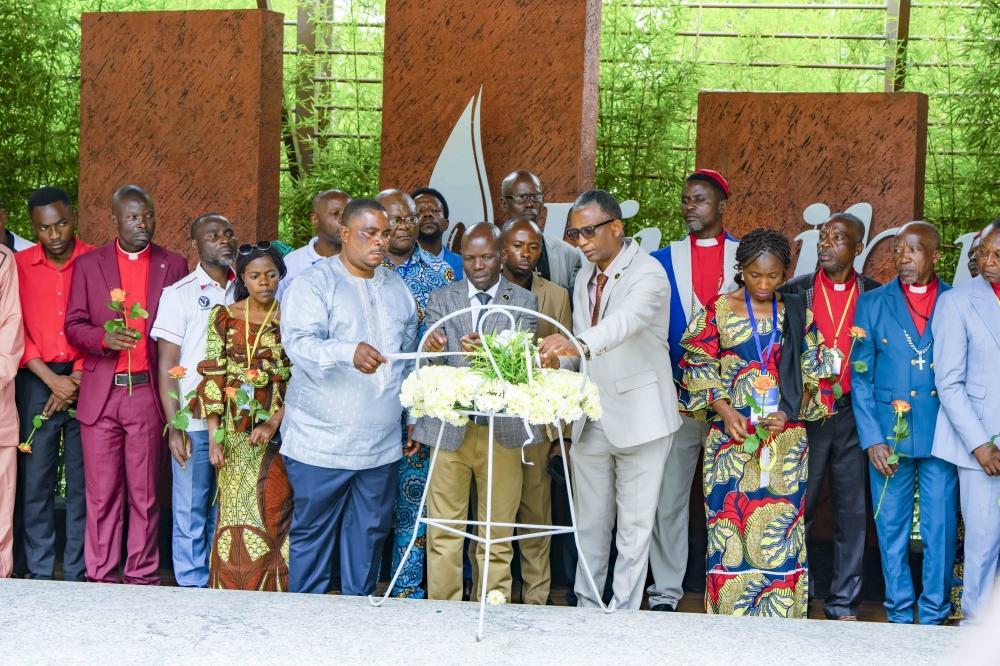
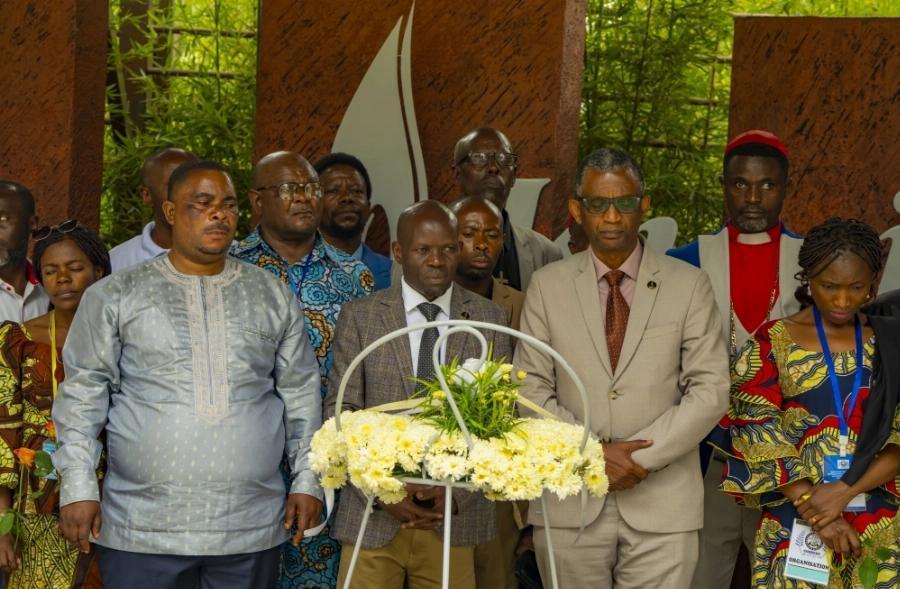
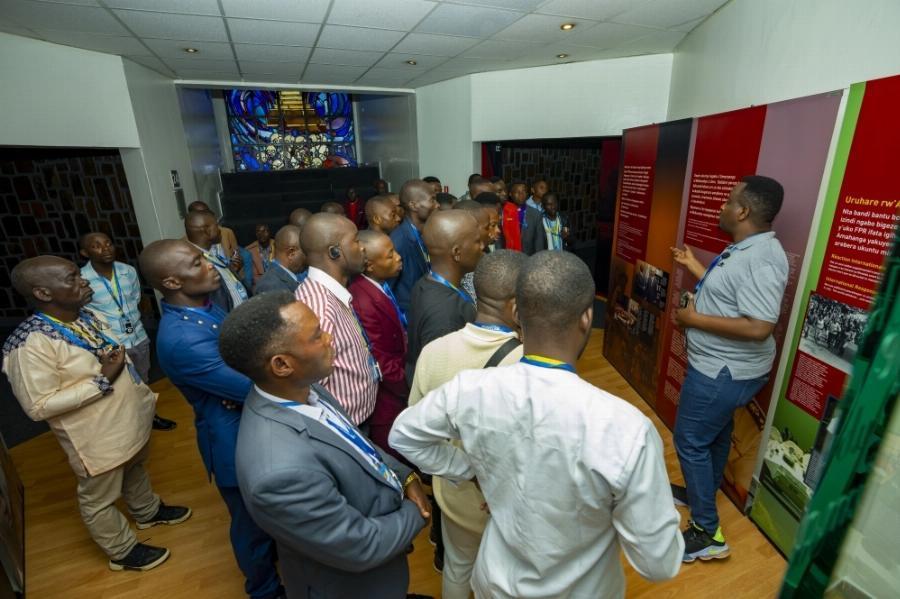
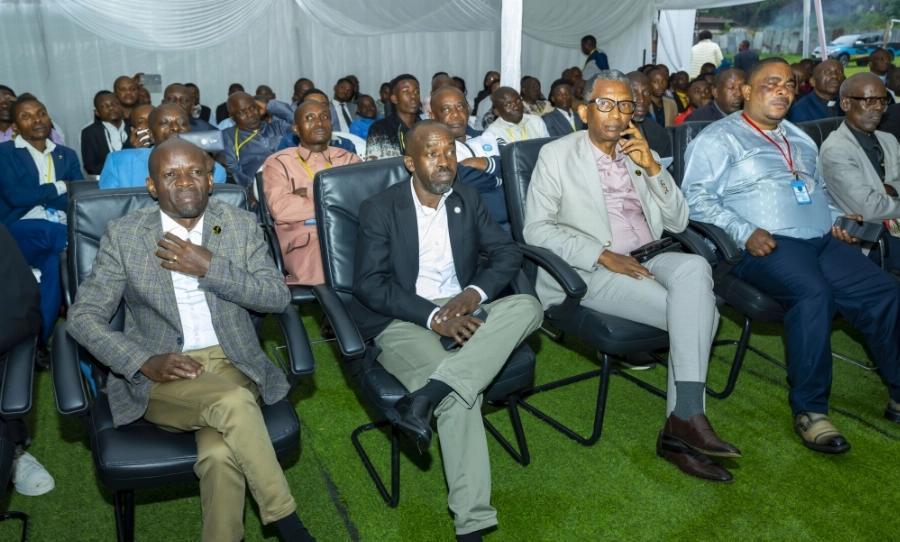
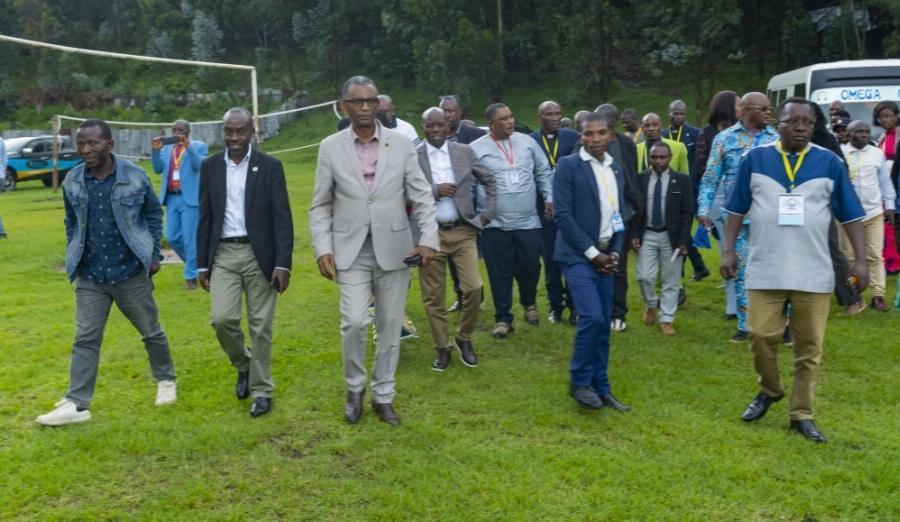
Africa-Press – Rwanda. A delegation of 120 religious leaders and traditional chiefs from DR Congo’s South Kivu province visited Kigali Genocide Memorial on Sunday, April 12, where they paid tribute to victims of the 1994 Genocide against the Tutsi.
They said the visit, during the 32nd commemoration period for the Genocide, offers lessons that can help end discrimination in their country, where Tusti communities still face persecution
Bishop Joshua Lwango Bahati who was part of the delegation, said the visit offered a clearer understanding of the tragedy endured by the genocide victims, which he believes still shapes instability beyond Rwanda’s borders.
“Today, I have learnt the truth of what really happened in Rwanda. The Genocide is not only Rwanda’s concern; it concerns the whole region,” he said.
“Our countries should not feel safe when people are dividing communities, promoting hatred and fueling war.”
“As people of God, we are concerned because God teaches us to love one another and to bring peace to others. We urge our communities to embrace peace in the region instead of spreading hate and conflict.”
Bishop Felix Gakunde who led the delegation said the group came with an objective to promote peace and challenge narratives that fuel conflict.
The delegation paid tribute to victims of the 1994 Genocide against the Tutsi.
“As opinion leaders and men of God, we are leaders who can inspire communities. For the past 32 years, since DR Congo welcomed those who committed the Genocide in Rwanda, our region particularly eastern DR Congo has known no peace,” Gakunde said.
“In addition to those who committed the Genocide, we are now witnessing individuals who continue to spread genocide ideology. These include ill-intentioned politicians and dangerous propagandists living comfortably in Kinshasa. We will not accept them dragging our great country into chaos.”
Gakunde said the delegation intends to carry forward lessons from Kigali into their communities.
“That is why we came to visit, to learn, and to ensure this delegation carries a message of peace, particularly to eastern DRC, where war and hate speech currently prevail. After this visit and the lessons learnt, we hope these people will act as agents of peace and help educate the communities under their responsibility.”
This is the second visit of its kind this year, following a similar engagement in February, reflecting ongoing efforts by religious and traditional leaders to engage with the history and consequences of the Genocide against the Tutsi as part of broader peacebuilding initiatives.
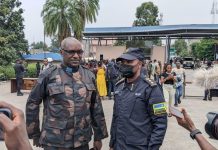
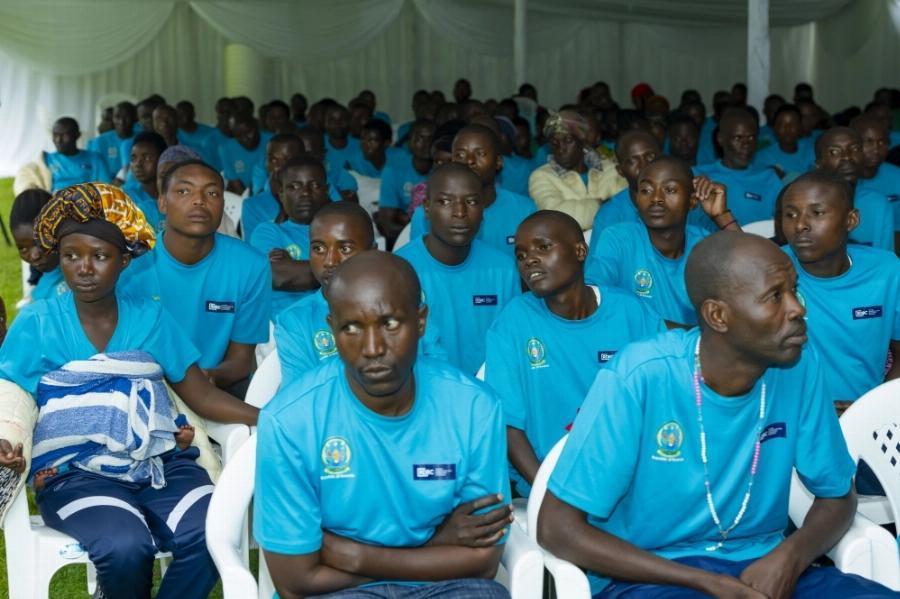
The delegation also visited the Mutobo Demobilisation and Reintegration Centre in Musanze District, where discussions focused on current security challenges linked to armed groups operating in eastern DR Congo such as the FDLR militia.
They heard testimonies from former FDLR combatants who recently returned to Rwanda and are undergoing reintegration programmes before rejoining civilian life.
‘Lt Col’ Emilien Mpakaniye, a former FLDR member, recounted atrocities committed by the group since its establishment in 1994, including killings, destruction of property and rape.
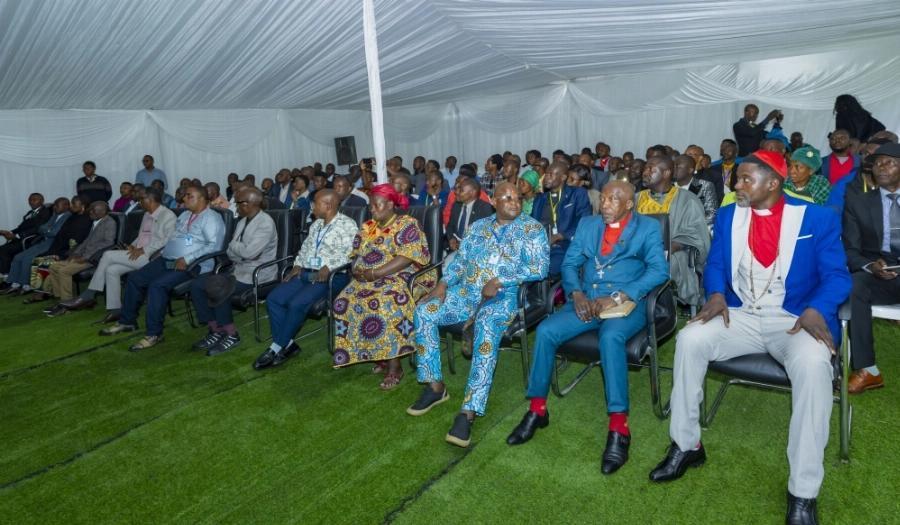
The visiting delegation also visited Mutobo Demobilization and Reintegration Centre in Musanze
Other ex-combatants shared similar accounts and called on the visiting delegation to use their influence to encourage those still in the jungles of eastern DR Congo to return peacefully.
Moise Mutumayi Kiza, a traditional chief from Bukumu Chiefdom, said the visit provided important lessons and reinforced the need for action in eastern DR Congo.
Formers members of rebels in Eastern DR Congo who are undergoung the civic training at Mutobo
He condemned the violence committed against civilians by the FDLR and called on the Congolese government to acknowledge these realities and work toward lasting peace.
He also emphasised the role of community leadership.
“The task before us is to redouble our efforts and mobilise FDLR members and their relatives to repatriate to Rwanda, because their country is peaceful,” he said.
For More News And Analysis About Rwanda Follow Africa-Press