Africa-Press – Rwanda. The United Nations has announced plans to deploy to the city of Uvira in South Kivu Province to monitor ceasefire commitments and help stabilise the region after months of intense fighting.
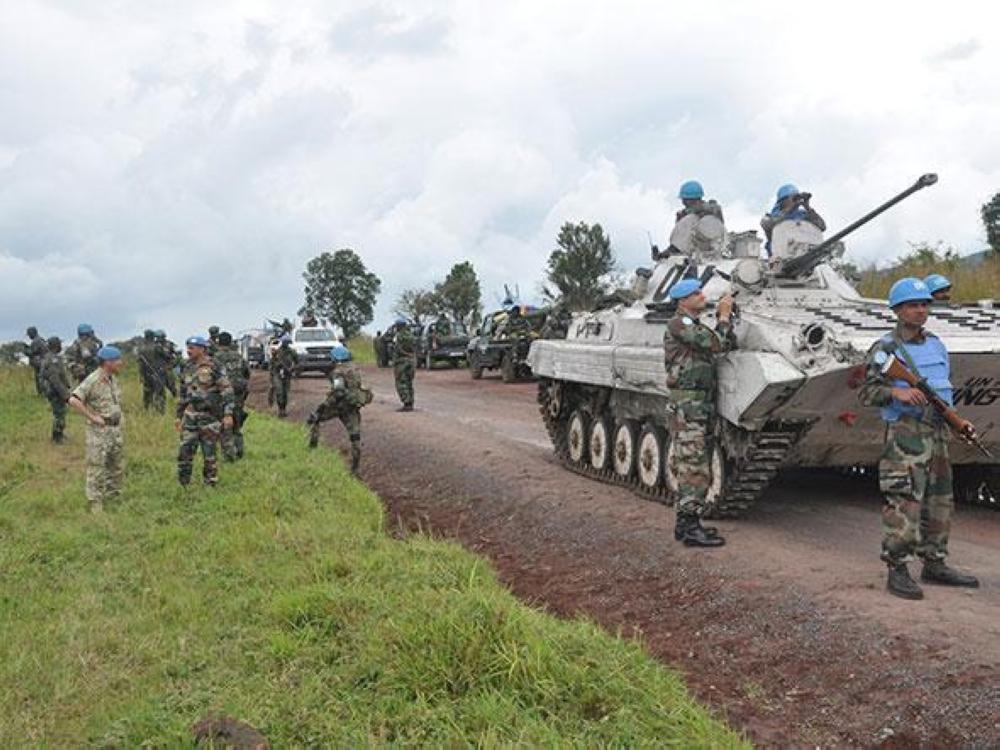
The body is set to deploy its peacekeeping force MONUSCO, which has been deployed in DR Congo for close to three decades.
The presence of international peacekeepers in Uvira aims to verify adherence to the ceasefire framework and prevent further escalation in a region where diplomatic initiatives continue amid persistent security challenges.
Jean‐Pierre Lacroix, the UN Under‐Secretary-General for Peace Operations, said on Tuesday during a visit to Kinshasa that the renewed mission will focus on observing and verifying compliance with the ceasefire following recent shifts on the ground.
The deployment marks MONUSCO’s return to the province its peacekeepers left that region as part of a phased withdrawal in 2024.
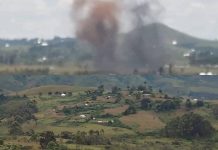
The announcement comes amid an evolving security situation in eastern DR Congo. AFC/M23 took control of Uvira in December 2025 and later agreed to withdraw from the town at the request of international mediators.
The group described its pullback as a “confidence-building measure” intended to support ongoing peace efforts and create space for international engagement.
AFC/M23 has maintained that it placed the town “under the responsibility of the international community” and formally urged the United Nations to send peacekeepers to protect civilians.
On February 3, the movement warned that Banyamulenge civilians in eastern DR Congo face “an imminent risk of genocide”, citing a pattern of coordinated attacks, humanitarian blockades, and communications blackouts in the Hauts Plateaux region.
The group said the situation deteriorated sharply after it withdrew its forces from Uvira on January 17, a move intended to support ceasefire efforts and create conditions for renewed peace talks with the Kinshasa government.
AFC/M23 claimed the withdrawal was followed by rapid militarisation of the Hauts Plateaux, with Minembwe and surrounding areas becoming the epicentre of violence targeting Banyamulenge civilians.
Similar concerns have been raised by the Banyamulenge self-defence group Twirwaneho, part of the AFC/M23 alliance, which accused government forces and allied actors — including Burundian military units, Wazalendo militias, foreign mercenaries, and FDRL, a group formed by people involved in the 1994 genocide against the Tutsi in Rwanda.
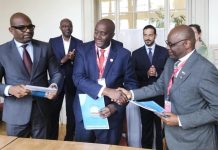
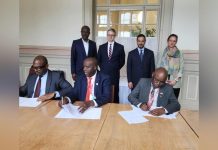
The escalation of violence has unfolded even as diplomatic efforts continue. On February 2, the Government of the Democratic Republic of Congo and AFC/M23 signed in Doha a mandate issued by the International Conference on the Great Lakes Region (ICGLR), reaffirming their commitment to the ceasefire and the Doha Framework Agreement for Peace signed on November 15, 2025.
The meeting included MONUSCO, ICGLR, the United States, the African Union, and the Republic of Togo as designated mediator.
The meeting agreed on measures to strengthen monitoring and verification of the ceasefire and tasked MONUSCO with deploying an initial monitoring mission to Uvira in the coming days.
For More News And Analysis About Rwanda Follow Africa-Press