
Africa-Press – Senegal. A workshop was held on Tuesday in Dakar with the aim of bringing Senegalese migrants to value the monetary transfers they make for the benefit of their loved ones, APS noted.
It is an initiative of the Financial Services Quality Observatory (OQSF) and the United Nations Capital Development Fund (UNCDF).
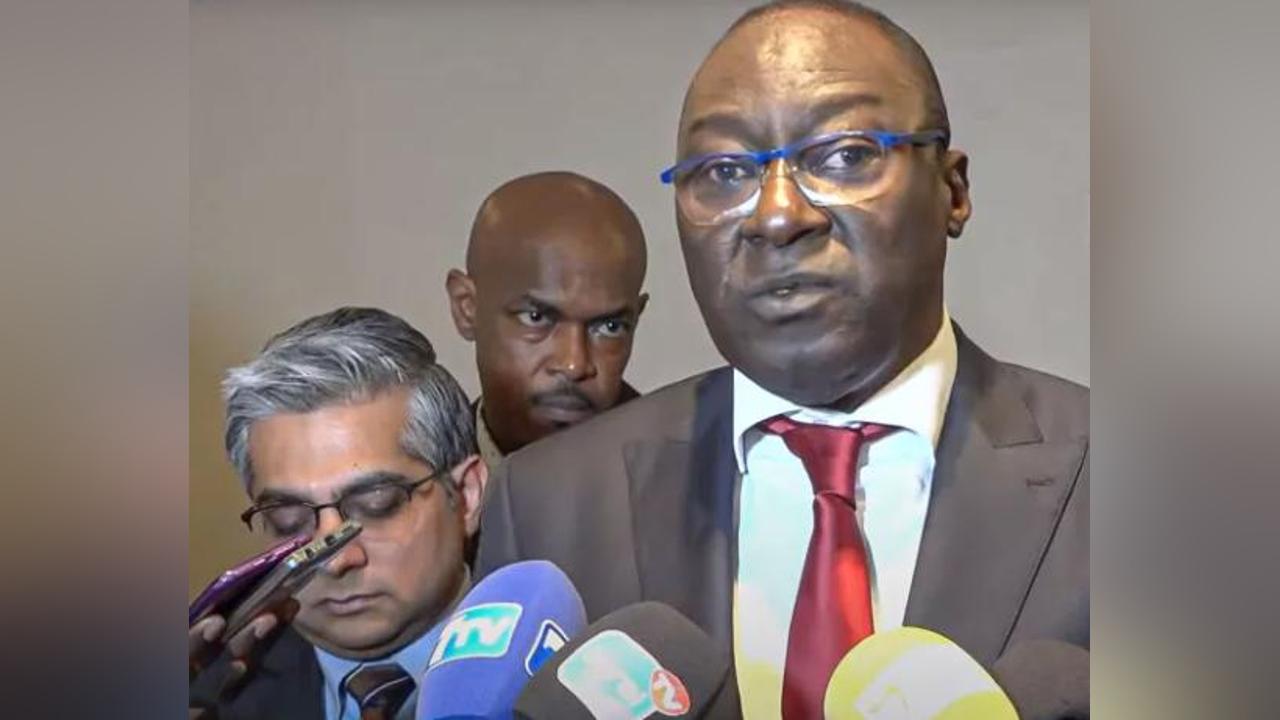
Senegalese migrants transferred 1.6 trillion CFA francs to their relatives in 2021, which represented 10.5% of Senegal’s gross domestic product in the same year, according to Habib Ndao, the executive secretary of the OQSF, an observatory placed under the supervision of the Ministry of Economy, Planning and Cooperation.
The aim of the workshop is, according to Mr. Ndao, to “raise awareness among migrants about the possibilities offered by the digital service for productive investments”.
It is also a question of promoting savings and “directing” the amounts transferred towards sectors that can generate jobs, he said.
The Covid-19 pandemic has awakened mentalities, he added, believing that migrants must think about investing the amounts transferred in productive sectors.
Pour y arriver, il faut pousser les Sénégalais vivant à l’étranger à ‘’utiliser le secteur formel’’, a souligné Habib Ndao.
Les outils de transfert d’argent doivent être accessibles et d’un usage facile en même temps, selon le secrétaire exécutif de l’OQSF. ‘’Auparavant, un transfert d’argent devait parvenir au bénéficiaire après plusieurs jours.
Aujourd’hui, il s’effectue de manière instantanée’’, a rappelé M. Ndao, soulignant que les opérateurs de transfert d’argent ont gagné aussi la confiance des usagers.
Amil Aneja, de l’UNCDF, a parlé, lui aussi, de l’apport des transferts d’argent à l’économie sénégalaise. Ces transactions monétaires sont ‘’des leviers’’ importants qu’il est possible d’utiliser pour réduire la pauvreté des ménages qui en bénéficient, a-t-il dit.
« These transfers are very often the only source of income for families, who receive them and end up spending them on food, health and housing, » noted Amil Aneja.
The workshop provides an opportunity to “discuss inconsistencies that may exist between [money transfer] regulators and line ministries,” according to Mr. Aneja. It is useful, he continued, to “put in place a coherent system, which makes it possible to derive the greatest benefit from the transfers made by migrants”.
Pour plus d’informations et d’analyses sur la Senegal, suivez Africa-Press