
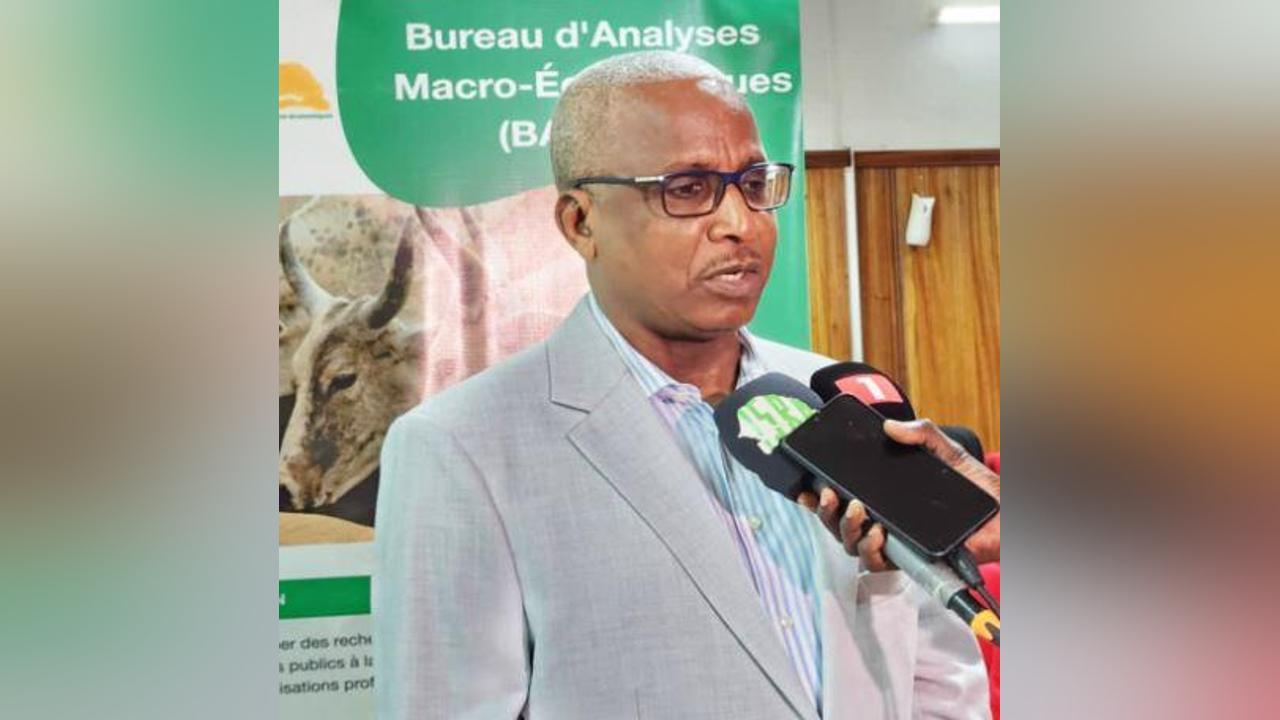
Africa-Press – Senegal. Moulaye Kandé, directeur d’une société spécialisée dans la distribution de fertilisants, de semences et autres produits phytosanitaires, préconise une amélioration des circuits de distribution pour que l’engrais puisse arriver à temps aux producteurs.
“I think that there are still reflections to be made in the organization of the distribution of fertilizers, in particular the local distribution commissions, even how to improve it to allow distributors to transport and distribute their products […] ] « , he said.
There is also that the State must try « to settle and respect its commitments in time » in this area, indicated the director of the company SEDAB SARL, during an interview with the APS, Thursday, on the sidelines of the proceedings of a workshop to assess the formulation and implementation of policies on fertilizers and soil fertility in Senegal.
The meeting was held at the premises of the Senegalese Agricultural Research Institute (ISRA), as part of the preparation for the African international summit on the use of fertilizer.
“Fertilizer requires a lot of financial resources [mobilised in particular by the private sector], there, everyone has to play their part so that this fertilizer can be made available to producers in time. Fertilizer has a cost. You have to buy it, transport it and organize yourself to make it available to producers,” he argued.
The State has the will to reach this objective, the private sector too, “because it lives from this activity”. “The producer is interested and buys the fertilizer. This is why we must organize ourselves to make fertilizer available to producers in time,” he insisted.
The State certainly provides support in this area, but « cannot alone solve all the problems related to fertilizer, that is to say, make all the formulas or all the quantities of fertilizer required available to the producers,” added Moulaye Kandé.
“Here, he added, we must involve the private sector which finances its activity and which makes fertilizers available to producers. For some years now, the State has been supporting and making available to producers subsidized fertilizers alongside the non-subsidized fertilizers that the producer is supposed to find on the local market to complete his needs”.
He assured that the private sector is now struggling to make these fertilizers available to producers, « but the difficulties are enormous, in particular the problem of availability of the product on a global scale ».
Pour plus d’informations et d’analyses sur la Senegal, suivez Africa-Press