Africa-Press – Seychelles. Seychelles’ value added tax (VAT) regime has performed as well as it could from a revenue perspective. However, there are risks that this could be eroded if there is continued broadening of the exemptions beyond the strict necessity, given the economic structure of the country.
“Furthermore, a return to the GST (Goods & Services Tax) is unlikely to solve the current discontent with VAT. The ministry would need to work on a strategy where the shortfalls in the current VAT regime could be reformed.”
These are among some key findings of a delegation from the Fiscal Affairs department of the International Monetary Fund (IMF) who was in Seychelles during the past week to conduct a comprehensive review of the current VAT regime being implemented in the country.
The review was conducted on the request of the government, with the aim of determining whether the VAT regime is the most ‘efficient tax regime’ in place for a small economy as Seychelles.
It is also in line with Minister Naadir Hassan’s 2022 budget speech, in which he said “with the assistance of the IMF, we will conduct a review of the implementation of the VAT regime, in order to minimise abuse in the collection of this tax”.
The assessment exercise took into consideration the following matters:
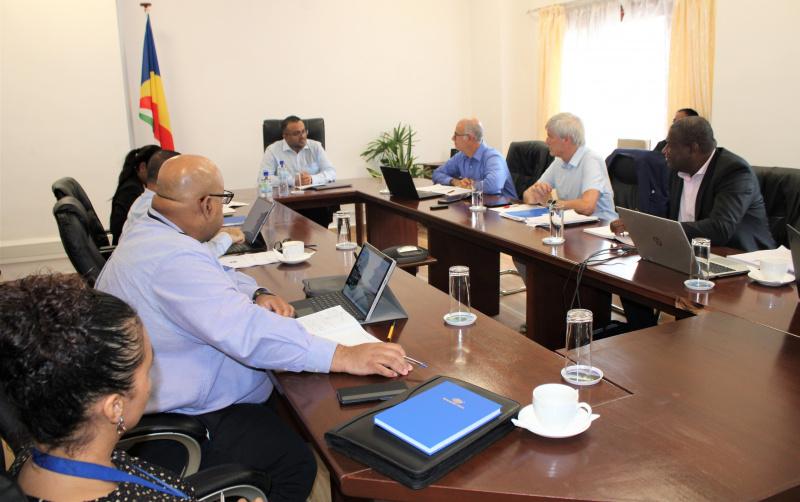
The delegation presented a preliminary report last Wednesday, which was attended by the Minister for Finance, National Planning and Trade, Naadir Hassan; Minister for Investment, Entrepreneurship and Industry, Devika Vidot; secretary of state, Patrick Payet; representatives of Seychelles Revenue Commission (SRC), and other officials from the Ministry of Finance, National Planning and Trade.
Minister Hassan has expressed his appreciation to the IMF delegation for the “excellent work done in such a short time, and that more follow up work will have to be undertaken, once the final report is presented”.
The final report is expected in less than two months.
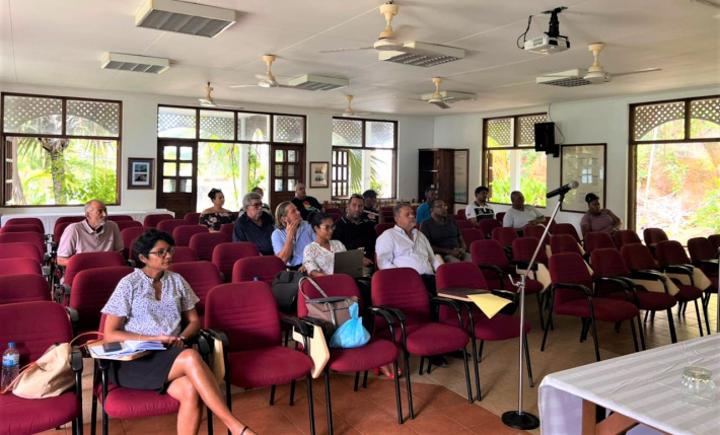
The IMF delegation was in the country between Tuesday September 6 to Thursday September 15 to conduct the exercise, which included meetings with various stakeholders.
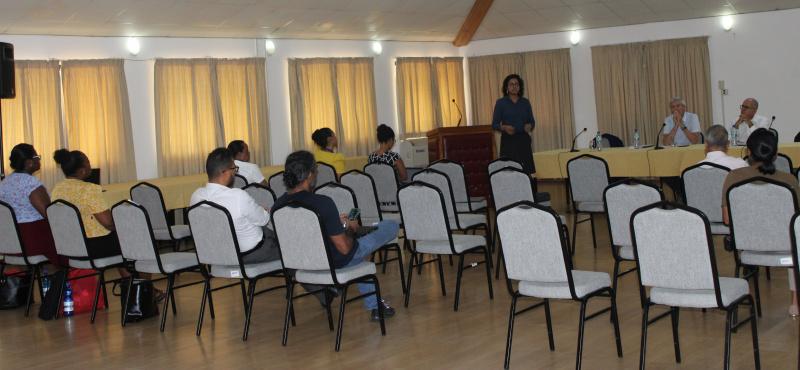
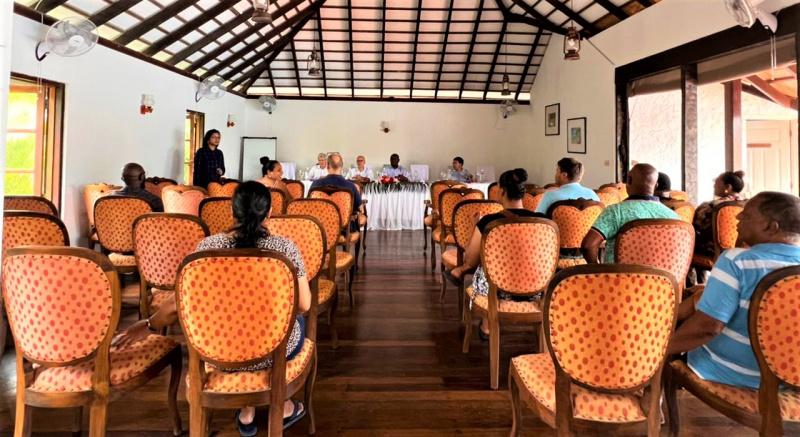
During the exercise, they consulted government and private sector partners, such as: Ministry of Finance, National Planning and Trade, Seychelles Revenue Commission (SRC), Seychelles Chamber of Commerce and Industry (SCCI), tax agents and accountants, as well as the Praslin and La Digue business community.
For More News And Analysis About Seychelles Follow Africa-Press